Resource Index
A complete, searchable directory of every individual learning component. Find activities, guidance, reflections, and nature examples to add to resource packs or share via permalinks.
_crop.jpg)
Amazing Earth Facts
- The ocean is home to the biggest animal that has ever lived: the **blue whale**. It's as long as three school buses! - The Amazon rainforest, on the continent of **South America**, is so huge and full of trees that it makes its own rain clouds. - In the warm oceans, you can find **coral reefs**. They look like colourful underwater gardens but are actually built by millions of tiny living animals. - The continent of **Antarctica** is a giant, icy desert. It is so cold that emperor penguins huddle together in massive groups to keep warm. - Sea turtles hatch from eggs on sandy beaches (on land) but spend almost their whole lives swimming across the **ocean**, travelling thousands of miles.
.jpg)
The Seven Continents
- **Asia** is the biggest continent, and more people live there than anywhere else! - **Antarctica** is at the very bottom of the world (at the South Pole) and is almost completely covered in ice. It is where penguins live. - **Australia** is a continent that is also a single country. It is home to animals like kangaroos and koalas, which you can't find anywhere else.

The Five Oceans
- Tiny plants living in the ocean create more than half of the air we breathe on Earth. - The deepest parts of the ocean are pitch black, so some creatures, like the Anglerfish, make their own light to attract food. - Many ocean animals migrate; Grey Whales swim thousands of miles every year to move between cold waters for feeding and warm waters to have their babies.

England
- London is home to the King and has famous landmarks like the London Eye and the Tower of London. - The River Thames is a very long river that flows through London and out to the sea. - The national flower of England is the Tudor Rose.

Scotland
- Scotland is famous for its mountains (called 'Munros') and deep lakes (called 'Lochs'). - The most famous lake is Loch Ness, which is said to be the home of the Loch Ness Monster! - The national flower of Scotland is the thistle, a prickly purple flower.

Wales
- Wales is famous for its beautiful coastline, its many castles, and its mountains. - The tallest mountain in Wales is called Snowdon (or 'Yr Wyddfa' in Welsh). - Wales has two national symbols: the daffodil (a yellow spring flower) and the leek (a vegetable).

Northern Ireland
- It is famous for the Giant's Causeway, which is an area on the coast made of thousands of stone columns that look like steps. - The factory where the famous 'Titanic' ship was built is in Belfast. - The national symbol is the shamrock, a small green plant with three leaves.

Key Physical Features
- A **hill** is a raised bit of land, but a **mountain** is much, much taller. - The **coast** is the special place where the land meets the sea. This can be a sandy **beach** or a rocky **cliff**. - A **river** is fresh water that flows in a long line across the land towards the sea or a lake.
Key Human Features
- A **village** is usually smaller than a **town**, and a **town** is smaller than a **city**. - A **farm** is a place in the countryside where people grow food (like vegetables or wheat) or keep animals (like cows and sheep). - A **port** or **harbour** is a place on the coast where boats and ships can park safely.
School Fieldwork Hunt
Take pupils on a walk around the school grounds or local area. Give them a sheet with two columns: 'Physical Features' and 'Human Features'. Ask them to draw or write down everything they see and put it in the correct column (e.g., 'tree' in Physical, 'fence' in Human).
Make Your Own Map
Give each pupil a piece of paper. Ask them to draw a 'bird's-eye view' map of their classroom or the playground. They must include a 'key' with symbols for at least three things (e.g., a square for a table, a circle for a bin, a triangle for a tree).
Compass Directions Game
In the school hall or playground, label the four walls with big signs for 'North', 'South', 'East', and 'West'. Play a game (like 'Simon Says') where you shout "Simon says... take 3 steps North!" or "Hop to the East!".
What's the Weather?
Create a simple weather chart for the week. Every day, ask a pupil to be the 'weather watcher' and draw a symbol (sun, cloud, rain) for the morning and afternoon. At the end of the week, talk about what the weather was like.
Self-Reflection (Exit Ticket)
On a small piece of paper, ask pupils to draw their favourite 'human feature' and their favourite 'physical feature' they saw on their walk.
Paired Reflection (Think-Pair-Share)
Ask pupils to turn to their partner and tell them the names of the four countries of the United Kingdom and which one they live in.
Group Reflection
In small groups, give pupils a globe or world map. Ask them to find all seven continents. Which one do they think is the biggest? Which one is the smallest?
Whole Class Share-Out
As a class, look at a globe. Point to the Equator (the imaginary line around the middle) and the North and South Poles. Ask: *"Do you think it is hotter or colder near the Equator? What about at the Poles? Why?"*
What are Continents and Oceans?
The world is a giant globe, mostly covered in water. The huge areas of water are called **oceans**, and the giant pieces of land are called **continents**. But Earth is more than just rock and water. The Earth is the only place we know where life exists! Over a very long time, the land and water settled to create the perfect home for living things. Because some parts of our planet are very hot and some are freezing cold, the continents and oceans became full of different landscapes—from snowy mountains and deep blue seas to hot deserts and green jungles. This created thousands of different habitats for all the amazing creatures we share our planet with.
What is the United Kingdom?
The United Kingdom (or UK) is the country where we live. It is an island (which means it is surrounded by water) and is actually made up of four smaller countries all joined together!
Human vs. Physical Geography
When we study geography, we look at two different types of features. - **Physical Features:** These are the natural things that have always been there (like mountains, rivers, and forests). - **Human Features:** These are the things that people have built (like cities, farms, and shops).
Guidance
Pupils should develop knowledge about the world, the United Kingdom and their locality. They should understand basic subject-specific vocabulary relating to human and physical geography and begin to use geographical skills, including first-hand observation, to enhance their locational awareness.
Requirements
**Locational knowledge** - name and locate the world’s seven continents and five oceans - name, locate and identify characteristics of the four countries and capital cities of the United Kingdom and its surrounding seas **Place knowledge** - understand geographical similarities and differences through studying the human and physical geography of a small area of the United Kingdom, and of a small area in a contrasting non-European country **Human and physical geography** - identify seasonal and daily weather patterns in the United Kingdom and the location of hot and cold areas of the world in relation to the Equator and the North and South Poles - use basic geographical vocabulary to refer to: - key physical features, including: beach, cliff, coast, forest, hill, mountain, sea, ocean, river, soil, valley, vegetation, season and weather - key human features, including: city, town, village, factory, farm, house, office, port, harbour and shop **Geographical skills and fieldwork** - use world maps, atlases and globes to identify the United Kingdom and its countries, as well as the countries, continents and oceans studied at this key stage - use simple compass directions (North, South, East and West) and locational and directional language [for example, near and far; left and right], to describe the location of features and routes on a map - use aerial photographs and plan perspectives to recognise landmarks and basic human and physical features; devise a simple map; and use and construct basic symbols in a key - use simple fieldwork and observational skills to study the geography of their school and its grounds and the key human and physical features of its surrounding environment.

The Source
- The source of the River Severn, the UK's longest river, is in the Cambrian Mountains in Wales. - The source of the River Thames is a spring in a field in Gloucestershire, called Thames Head. - Rivers are often very small, narrow, and shallow at their source.

The River Channel
- A river going around a sharp bend is called a 'meander'. The river flows fastest on the outside of the bend, carving away the land. - The River Thames has over 200 bridges crossing its channel, including the famous Tower Bridge in London. - A 'floodplain' is the wide, flat area of land on either side of a river that gets flooded when the river overflows.
The Mouth
- The River Thames flows into the North Sea at its wide estuary. - The Severn Estuary, where the River Severn meets the sea, has one of the highest tidal ranges in the world (the difference between high and low tide). - Many of the UK's biggest cities and ports are built at the mouths of rivers, like London, Liverpool (River Mersey), and Bristol (River Avon).

Ben Nevis
- Ben Nevis is 1,345 metres (4,413 feet) high. - Its Gaelic name, 'Beinn Nibheis', can mean 'mountain with its head in the clouds' or 'malicious mountain'—it is a very tough climb! - It is actually the remains of a giant ancient volcano that collapsed in on itself millions of years ago.

Scafell Pike
- Scafell Pike is 978 metres (3,209 feet) high. - It is part of the 'National Three Peaks Challenge', where people try to climb Ben Nevis, Scafell Pike, and Snowdon (in Wales) within 24 hours. - The mountain was given to the National Trust as a gift to remember the men from the Lake District who died in the First World War.

Snowdon (Yr Wyddfa)
- Snowdon is 1,085 metres (3,560 feet) high. - Its Welsh name, 'Yr Wyddfa', means 'the tumulus' or 'the barrow', which is a burial mound. Legend says a giant is buried at the top! - It is one of the most popular mountains in the UK and even has a special railway, the Snowdon Mountain Railway, that can take visitors to the summit.

The Tropical Rainforest
- Tropical rainforests like the Amazon cover only about 6% of Earth's surface but are home to more than half of all the world's plant and animal species! - The tall trees form a leafy 'canopy' high above the ground, which blocks out most of the sunlight from reaching the forest floor. - Many of the plants we use in our homes, for food and medicine, originally came from rainforests, including chocolate, bananas, and pineapples.
.jpg)
The Arctic Tundra
- In the tundra, the ground beneath the surface, called permafrost, stays frozen all year round, sometimes to a depth of nearly a mile. - During the summer, the sun shines 24 hours a day, but it is not strong enough to melt the deep permafrost. - Animals like the Arctic fox and ptarmigan have coats that turn white in winter to camouflage them against the snow.
_wallowing_in_the_mud_..._(46323861365).jpg)
The African Savanna
- The savanna is home to the largest land animals on Earth, including elephants, giraffes, and rhinos. - Wildfires are a vital part of its life cycle, clearing away old, dry grass and helping new plants to grow. - Some trees, like the baobab, store water in their huge trunks to survive the long dry season.

The Water Cycle
- The UK gets a lot of rain because the prevailing (most common) wind blows wet air (full of evaporated water) from the Atlantic Ocean over the land. - Mountains and hills, like in the Lake District or Wales, force this wet air to rise quickly and cool, causing 'relief rainfall'. This is why mountains are often the source of rivers. - The water you drink today is the same water that has been on Earth for billions of years—it's just been recycled over and over!
Evaporation
- The Sun's energy powers evaporation. It gives water molecules the energy to warm up, move faster, and escape into the air. - You can see evaporation in action when a puddle dries up on a sunny day. - Salt from the ocean does not evaporate with the water, which is why rain is fresh water.
Condensation
- A cloud is made of billions of tiny water droplets or ice crystals that have clumped together around microscopic specks of dust or pollen in the air. - You can see condensation on a cold day when you breathe out, creating a mini-cloud of water vapour. - The dew you see on grass in the morning is another example of condensation happening close to the ground.
Precipitation
- Precipitation happens when the water droplets in a cloud get so big and heavy that the air can't hold them up any more. - Raindrops aren't always tear-shaped! Small ones are perfectly round, while larger ones get flattened on the bottom as they fall. - Not all rain reaches the ground; some evaporates on the way down, in a phenomenon called 'virga'.
Collection
- Some water soaks deep into the ground and is stored there as 'groundwater'. - This collected water can then evaporate again, starting the entire cycle over. - The same water has been moving around our planet in this cycle for billions of years. The water in your drink could have once been drunk by a dinosaur!
Map Your River
Using an atlas or a digital map, can you find the River Thames or the River Severn? Try to trace its path with your finger, from its source in the hills all the way to its mouth at the sea. Can you find any major cities it flows through?
Water Cycle in a Bag
Ask your teacher to help you with this. Pour a little bit of water (with blue food colouring, if you have it) into a clear, sealable plastic bag. Seal it and tape it to a sunny window. Watch what happens over the next few hours. You should see the water 'evaporate' (turn to vapour), 'condense' (form droplets on the bag), and 'precipitate' (run back down like rain).
Build a Mountain Range
Using modelling clay, sand, or even scrunched-up paper, build your own mountain range. Can you show where the 'peak' (the top) is? Can you show a 'valley' (the gap between two mountains)? Where would you put the 'source' of a river?
Biome in a Box
Create a diorama in a shoebox for a specific biome. Use craft supplies and natural materials to show the landscape and the animals and plants that are adapted to live there.
Water Cycle in a Bag
Seal a small amount of water (you can add blue food colouring) in a clear plastic bag and tape it to a sunny window. Pupils can observe evaporation, condensation, and precipitation in miniature.
Journey of a Raindrop
Ask pupils to write or draw a short story about the journey of a single raindrop, describing the different stages of the water cycle it goes through.
Think-Pair-Share
With a partner, discuss: What is the difference between a river's 'source' and its 'mouth'?
Self-Reflection (Exit Ticket)
On a small piece of paper or a sticky note, draw one part of the water cycle (evaporation, condensation, or precipitation) and write one sentence to explain what is happening.
Group Discussion
In small groups, discuss: Why do you think most major cities (like London, Liverpool, and Bristol) are built on rivers? What might people have used the rivers for in the past, and what do we use them for today?
Whole Class Share-Out
As a class, discuss: How are mountains and rivers connected? (Hint: Think about the water cycle!)
What is a River?
A river is a natural, flowing stream of fresh water that moves across the land. It usually starts in high ground (like hills or mountains) and flows downhill towards a larger body of water, like a lake or the sea. Rivers are not just moving water; they are important habitats! This means they are a home for many different kinds of animals and plants.
What is a Mountain?
A mountain is a very large, steep landform that rises high above the surrounding land. They are much higher and steeper than hills. In the UK, we often say land over 600 metres (about 2,000 feet) high is a mountain. A group of mountains is called a 'mountain range'.
What is a Biome?
A biome is a very large area with a specific climate (the typical long-term weather) and unique plants and animals that are adapted to live there.
What is the Water Cycle?
The water on Earth is always moving and changing. It moves from the sea, to the air, to the land, and back to the sea again. This is called the water cycle, and it's how rivers get their water!
Guidance
Pupils should extend their knowledge and understanding beyond the local area to include the United Kingdom and Europe, North and South America. This will include the location and characteristics of a range of the world’s most significant human and physical features. They should develop their use of geographical knowledge, understanding and skills to enhance their locational and place knowledge.
Requirements
- describe and understand key aspects of: - physical geography, including: climate zones, biomes and vegetation belts, rivers, mountains, volcanoes and earthquakes, and the water cycle
The Tropical Rainforest
- Tropical rainforests like the Amazon cover only about 6% of Earth's surface but are home to more than half of all the world's plant and animal species! - The tall trees form a leafy 'canopy' high above the ground, which blocks out most of the sunlight from reaching the forest floor. - Many of the plants we use in our homes, for food and medicine, originally came from rainforests, including chocolate, bananas, and pineapples.
The Arctic Tundra
- In the tundra, the ground beneath the surface, called permafrost, stays frozen all year round, sometimes to a depth of nearly a mile. - During the summer, the sun shines 24 hours a day, but it is not strong enough to melt the deep permafrost. - Animals like the Arctic fox and ptarmigan have coats that turn white in winter to camouflage them against the snow.
The African Savanna
- The savanna is home to the largest land animals on Earth, including elephants, giraffes, and rhinos. - Wildfires are a vital part of its life cycle, clearing away old, dry grass and helping new plants to grow. - Some trees, like the baobab, store water in their huge trunks to survive the long dry season.
Evaporation
- The Sun's energy powers evaporation. It gives water molecules the energy to warm up, move faster, and escape into the air. - You can see evaporation in action when a puddle dries up on a sunny day. - Salt from the ocean does not evaporate with the water, which is why rain is fresh water.
Condensation
- A cloud is made of billions of tiny water droplets or ice crystals that have clumped together around microscopic specks of dust or pollen in the air. - You can see condensation on a cold day when you breathe out, creating a mini-cloud of water vapour. - The dew you see on grass in the morning is another example of condensation happening close to the ground.
Precipitation
- Precipitation happens when the water droplets in a cloud get so big and heavy that the air can't hold them up any more. - Raindrops aren't always tear-shaped! Small ones are perfectly round, while larger ones get flattened on the bottom as they fall. - Not all rain reaches the ground; some evaporates on the way down, in a phenomenon called 'virga'.
Collection
- Some water soaks deep into the ground and is stored there as 'groundwater'. - This collected water can then evaporate again, starting the entire cycle over. - The same water has been moving around our planet in this cycle for billions of years. The water in your drink could have once been drunk by a dinosaur!
Biome in a Box
Create a diorama in a shoebox for a specific biome. Use craft supplies and natural materials to show the landscape and the animals and plants that are adapted to live there.
Water Cycle in a Bag
Seal a small amount of water (you can add blue food colouring) in a clear plastic bag and tape it to a sunny window. Pupils can observe evaporation, condensation, and precipitation in miniature.
Journey of a Raindrop
Ask pupils to write or draw a short story about the journey of a single raindrop, describing the different stages of the water cycle it goes through.
Self-Reflection (Exit Ticket)
Ask pupils to draw a quick diagram of the water cycle and label the four main stages.
Paired Reflection (Think-Pair-Share)
Ask pupils to discuss with a partner: *How is the Arctic Tundra biome different from the African Savanna biome? Name two differences.*
Group Reflection
In small groups, ask pupils to imagine they are an animal living in the rainforest. What is the most important feature of the rainforest for their survival?
Whole Class Share-Out
As a class, discuss: *The water we drink today has been on Earth for billions of years. What does this tell us about why we need to keep our rivers and oceans clean?*
What is a Biome?
A biome is a very large area with a specific climate (the typical long-term weather) and unique plants and animals that are adapted to live there.
What is the Water Cycle?
The water cycle is the name for the continuous journey that water takes as it moves from the land and oceans, into the air, and back again.
Requirements
Describe and understand key aspects of physical geography, including climate zones, biomes and vegetation belts, rivers, mountains, volcanoes and earthquakes, and the water cycle.

Stickleback
- The male stickleback builds a nest out of weeds which he glues together with a special substance from his kidneys. - It gets its name from the sharp spines along its back which it can raise to protect itself from predators. - The number of spines can vary; most sticklebacks in the UK have three.
.jpg)
Minnow
- Minnows have an excellent sense of smell and can detect chemical alarm signals released from the skin of another minnow that has been attacked. - They are often a sign of a healthy river, as they are sensitive to pollution. - They are very small, usually growing no longer than 10 cm.

Perch
- The perch's spiny front dorsal fin is a very effective defence, making it difficult for predators like pike or herons to swallow it. - They lay their eggs in long, white, ribbon-like strands, which they drape over underwater plants. - Young perch hunt in shoals, but as they get older and larger, they tend to hunt alone.

Common Frog
- Doesn't drink with its mouth but soaks up all the water it needs through its skin. - Has eyes on top of its head so it can see all around whilst mostly hidden in the water.

Newt
- Can regrow lost limbs, such as its tail or even a leg. - The male smooth newt develops a wavy crest along its back during the breeding season to attract a mate.
.jpg)
Common Toad
- Has glands behind its eyes that produce a mild poison to put off predators. - Has a sticky, flick-out tongue that it uses to catch insects and slugs with lightning speed.

Common Lizard
Can shed its tail if caught by a predator. The tail continues to wriggle, distracting the attacker while the lizard escapes. Gives birth to live young, which is unusual for a reptile, rather than laying eggs. They hibernate through the winter, often in groups inside log piles or under rocks.

Slow Worm
Despite its appearance, the slow worm is a lizard, not a worm or a snake. You can tell because it has eyelids and can blink, which snakes cannot do. Like the common lizard, it can shed its tail to escape from a predator, such as a cat or a bird. They love to eat slugs, making them a very welcome visitor in a garden.

Grass Snake
The grass snake is an excellent swimmer and often hunts for frogs and newts in the water. If threatened, it can play dead, sometimes rolling onto its back with its tongue hanging out. It is not venomous and has a distinctive yellow and black collar behind its head.

Robin
- Is famous for singing all year round, often under streetlights at night. - Both male and female robins have a red breast and look identical.

Blue Tit
- Parents may have to find up to 1,000 caterpillars a day to feed their hungry chicks. - Is very acrobatic and can be seen hanging upside down to get food.

Woodpigeon
- Feeds its young (squabs) a special "milk" made in a pouch in its throat. - The clattering sound often heard as they fly away is the bird deliberately clapping its wings together to warn others of danger.
.jpg)
Fox
- Has whiskers on its legs as well as its face to help it feel its way around in the dark. - Can make around 20 different sounds, including a scream-like bark that is often heard at night.
.jpg)
Badger
- Lives in a large underground home called a sett, which can have many rooms and be hundreds of years old. - Is very tidy and will not bring food into or go to the toilet in its sett.

Squirrel
- Can forget where it buried hundreds of nuts, meaning it accidentally plants lots of new trees! - Has ankles that can rotate 180 degrees, allowing it to climb down trees head-first.

Rabbit
- A rabbit's teeth grow continuously throughout its life, so it must chew on grass and tough plants to wear them down. - They eat their own droppings to digest their food a second time and get all the nutrients out. - Their long ears can turn 180 degrees, helping them to pinpoint the source of a sound.

Snail
- A snail's tongue (radula) is like a ribbon covered in thousands of tiny teeth, perfect for scraping up leaves. - They are nocturnal, meaning they are most active at night when it is cooler and damper. - A snail can retreat into its shell and seal the entrance to protect itself from predators or dry weather.

Vole
- Voles create a network of tiny tunnels and runways through long grass to hide from predators like kestrels and owls. - Unlike mice, they are active during both the day and night. - A field vole's coat is an excellent camouflage, blending in perfectly with dry grass.

Ladybird
- A single ladybird can eat over 5,000 aphids (greenfly) in its lifetime, making it a gardener's best friend. - Their bright colours are a warning to predators that they taste unpleasant. - When threatened, a ladybird can secrete a yellow, foul-smelling liquid from its leg joints.
_(4).jpg)
Fox
- Foxes have amazing hearing and can hear a mouse squeak from 100 metres away. - They use their bushy tail as a warm cover in cold weather and as a signal to communicate with other foxes. - They are skilled hunters with a varied diet, eating everything from rabbits and rodents to fruit and discarded takeaways.

Spider
- Not all spiders build webs to catch food; some, like the wolf spider, are speedy hunters that chase down their prey. - Spiders are found on every continent in the world except for Antarctica. - They play a vital role in controlling insect populations.
.jpg)
Badger
- Earthworms are a badger's favourite food, and they can eat hundreds in a single night! - They have long, powerful claws for digging their extensive underground homes, called setts. - Although they eat mainly worms and insects, they will also eat fruit, seeds, and small mammals.

Blue Tit
- In winter, blue tits team up with other tit species to form big flocks, making it easier to find food and spot danger. - They are very clever and are famous for learning how to peck through the foil tops of milk bottles to drink the cream. - Their diet changes with the seasons; they eat caterpillars and insects in the spring and switch to seeds and nuts in the winter.

Wood Mouse
- A wood mouse can jump almost a metre in the air to escape from danger. - They are excellent climbers and will scale plants to find seeds and berries. - They often store food, such as seeds and nuts, in underground burrows for the winter.
%2C_Parque_natural_de_la_Arr%C3%A1bida%2C_Portugal%2C_2020-07-21%2C_DD_56.jpg)
Fish 🐠
- **Gills:** Gills are made of feathery filaments full of blood vessels. As water flows over them, they pull oxygen out, a bit like lungs in reverse. - **Scales:** Fish scales overlap like tiles on a roof, creating a flexible suit of armor. They are covered in a layer of slime that helps the fish glide through the water and protects it from germs. - **Fins:** A fish's tail fin (caudal fin) provides the main power for swimming, while other fins are used for steering, stopping, and hovering.

Amphibians 🐸
- **Skin:** An amphibian's skin is permeable, meaning it can absorb water and oxygen directly through it. This is why they must live in damp environments to avoid drying out. - **Lungs:** Even after developing lungs, many amphibians continue to get a significant amount of their oxygen through their skin. - **Life Cycle:** The change from a gilled, water-dwelling tadpole to a lung-breathing, land-dwelling frog is a complete rebuilding of the body called metamorphosis.

Reptiles 🦎
- **Scaly Skin:** Unlike an amphibian's moist skin, a reptile's scaly skin is waterproof. This key adaptation allows reptiles to live in very dry environments, like deserts, without losing water. - **Senses:** Many snakes and lizards "smell" by flicking their tongue out to collect scent particles, then touching the tongue to a special organ in the roof of their mouth. - **Cold-Blooded:** Being "cold-blooded" means their body temperature matches their surroundings. You'll often see reptiles basking on a sunny rock to warm up and gain energy. - Bearded dragons have a secret 'third eye' on the very top of their heads! It's a little dot that helps them see shadows, so they know when a big bird is flying over and it's time to hide!

Birds 🐦
- **Feathers:** Feathers are an amazing structure unique to birds. They provide lift for flight, insulation to keep the bird warm, and are used for display to attract mates. - **Hollow Bones:** A bird's skeleton is incredibly light but strong. The skeleton of a frigatebird, which has a 2-meter wingspan, weighs only about 115 grams—less than its feathers! - **Beak:** A bird's beak is a specialized tool shaped for its diet. A finch has a short, strong beak for cracking seeds, while a hawk has a sharp, hooked beak for tearing meat.

Mammals 🐕
- **Hair/Fur:** All mammals have hair at some point in their life. For whales and dolphins, it's just a few whiskers when they are born. Hair provides insulation, camouflage, and can be used for sensing (like a cat's whiskers). - **Milk:** Mammals are named for their mammary glands, which produce nutritious milk to feed their babies. This gives the young a strong start in life. - **Warm-Blooded:** Being "warm-blooded" means mammals can create their own body heat. This allows them to stay active in cold weather and live in almost every climate on Earth.
Sight (Eyes)
- Your eyes can distinguish about 10 million different colours, and they remain the same size from birth to death. - The human eye can see a candle flame from up to 1.7 miles away on a clear, dark night. - You blink on average about 15-20 times per minute, which is over 10,000 times a day!
Hearing (Ears)
- The three smallest bones in your entire body are located in your ear: the malleus, incus, and stapes (hammer, anvil, and stirrup). Together, they are smaller than a pea. - Your ears never stop working, even when you are asleep; your brain just learns to ignore the sounds. - Earwax is not just dirt; it's a useful substance that cleans, protects, and lubricates the ear canal, trapping dust and germs.
Smell (Nose)
- Your sense of smell is more closely linked to memory than any of your other senses. - Humans can identify at least one trillion different smells. - Smells can strongly affect our mood; for example, the scent of lavender is often found to be calming.

Taste (Tongue)
- Whilst we often think taste is all about the tongue, about 80% of what we perceive as 'flavour' actually comes from our sense of smell. - The five basic tastes are sweet, sour, salty, bitter, and umami (a savoury taste). - Your taste buds have a short lifespan, replacing themselves roughly every 10 to 14 days.
Touch (Skin)
- Your fingertips and lips are two of the most sensitive parts of your body because they have the highest concentration of touch receptors. - The skin is the body's largest organ, and it is constantly renewing itself by shedding old cells. - There are different types of nerve endings in the skin to detect different sensations, like pressure, texture, temperature, and pain.
Animal Sorting
Create large hoops or areas in the classroom labelled 'Mammal', 'Bird', 'Amphibian', etc. Give pupils pictures of different animals to sort into the correct group.
Habitat Match
Provide pictures of the animals discussed (e.g., fox, frog, stickleback). Ask pupils to draw the ideal habitat for each one, thinking about what makes it suitable for that animal group.
Feature Focus
Ask pupils to draw their favourite animal from the lesson and label the key features that identify it as a mammal, bird, amphibian, reptile, or fish (e.g., for a bird: feathers, beak, wings).
Who Eats What?
Create a matching game with pictures of animals and pictures of their food.
Food Chain Fun
Make simple paper food chains. For example, a strip for grass, a strip for a rabbit, and a strip for a fox. Link them together to show the flow of energy.
Examine the Evidence
Look at pictures of animal skulls (or models). Talk about the different types of teeth—sharp pointy ones for carnivores and flat grinding ones for herbivores.
Animal Coverings Sort
Provide pictures or samples of different animal coverings (fur, feathers, scales, smooth amphibian skin). Have children sort them into groups and identify which animal class they belong to and why the covering is useful.
Skeleton Match-Up
Show children simplified diagrams of skeletons from each of the five vertebrate groups. Discuss the key differences (e.g., bird's hollow bones and keel, snake's long flexible spine, fish's simple ribcage) and have them match the skeleton to the correct animal.
Build a Creature
Ask children to design a new animal for a specific environment (e.g., a cold mountain or a deep sea trench). They must choose a class (mammal, reptile, etc.) and then draw and label the structural features it would need to survive there, explaining their choices.
"Simon Says" Body Parts
Play a game of "Simon Says" using commands that help children identify and locate different parts of their bodies quickly (e.g., "Simon says touch your elbows," "Simon says wiggle your toes").
Five Senses Mystery Boxes
Prepare several boxes, each appealing to a different sense. For example, a box with a textured object (touch), a box with a scented cotton ball (smell), or a box with a small bell (hearing). Children use one sense at a time to guess the contents.
Body Tracing and Labelling
Have children lie on a large sheet of paper whilst a partner traces their body outline. They can then draw and label the basic parts of the body and indicate where each of the five senses is located.
Self-Reflection (Exit Ticket)
On a sticky note, ask pupils to write down the name of one animal from each group they learnt about today (one mammal, one bird, one amphibian, etc.).
Paired Reflection (Think-Pair-Share)
Ask pupils to discuss with a partner: *What is the biggest difference between an amphibian like a frog and a reptile like a lizard?*
Group Reflection
In small groups, ask pupils to think of another common British animal for each category (e.g., another mammal, another bird).
Whole Class Share-Out
As a class, discuss: *Which group of animals do you think is the easiest to identify, and why? Which is the most difficult?*
Self-Reflection (Exit Ticket)
Ask children to write down what they had for lunch. Were they being a herbivore, a carnivore, or an omnivore?
Paired Reflection (Think-Pair-Share)
Ask children to discuss with a partner: *Think of a herbivore that wasn't on our list. What does it eat and what might try to eat it?*
Group Reflection
In small groups, children can discuss why having sharp teeth is useful for a carnivore and why flat teeth are useful for a herbivore.
Whole Class Share-Out
Ask the class: *Why do you think there are no large carnivores living wild near our school, but lots of small ones like spiders and ladybirds?*
Self-Reflection (Two Stars and a Wish)
Ask children to write down: ⭐ Two features from different animal groups they found fascinating. 🌠 One question they still have about why animals have different body parts.
Paired Reflection (Think-Pair-Share)
Ask children to discuss with a partner: *What is the most important difference between a reptile's skin and an amphibian's skin? Why does it matter?*
Group Reflection
In small groups, ask children to imagine a new animal that can fly but isn't a bird. What would its body structure be like? (e.g., Does it have feathers? Are its bones hollow?)
Whole Class Share-Out
Take a class vote: *Which animal structure do we think is the most clever or surprising adaptation?*
Self-Reflection (Exit Ticket)
Ask children to write down on a sticky note: *Which of your five senses do you think is the most important for you, and why?*
Paired Reflection (Think-Pair-Share)
Ask children to discuss with a partner: *Name one thing you do every day that uses at least three senses all at once.*
Group Reflection
In small groups, children can discuss what it might be like to not have a sense of smell. How would it change their day-to-day life?
Whole Class Share-Out
Go around the class and have each child share one way their body (and its senses) has helped them learn something new today.
Guidance
Pupils should use the local environment throughout the year to explore and answer questions about animals in their habitat. They should understand how to take care of animals taken from their local environment and the need to return them safely after study. Pupils should become familiar with the common names of some fish, amphibians, reptiles, birds and mammals, including those that are kept as pets. Pupils should have plenty of opportunities to learn the names of the main body parts (including head, neck, arms, elbows, legs, knees, face, ears, eyes, hair, mouth, teeth) through games, actions, songs and rhymes. Pupils might work scientifically by: using their observations to compare and contrast animals at first hand or through videos and photographs, describing how they identify and group them; grouping animals according to what they eat; and using their senses to compare different textures, sounds and smells.
Requirements
Identify and name a variety of common animals including fish, amphibians, reptiles, birds and mammals
Requirements
Identify and name a variety of common animals that are carnivores, herbivores and omnivores
Requirements
Describe and compare the structure of a variety of common animals (fish, amphibians, reptiles, birds and mammals, including pets).
Requirements
Identify, name, draw and label the basic parts of the human body and say which part of the body is associated with each sense.

Wood
- Wood floats on water, which is why people have used it to make boats for thousands of years! - If you look at the end of a log, you can often see rings. You can count these rings to find out how many years old the tree was when it was cut down. - Long before plastic was invented, most toys, like spinning tops and dolls, were carved from wood. - Some wood, like pine, can have a lovely, fresh smell. - Wood is strong, but it is not waterproof. It soaks up water, which makes it feel damp and can make it swell up. We sometimes paint or varnish wood to make it waterproof.
Plastic
- The word "plastic" means it can be easily shaped, which is why we can make so many different things from it. - Some plastics can be see-through (**transparent**), like a water bottle. - Other plastics are **opaque**, like a toy building brick.
Metal
- Most metal is magnetic, but not all of it. A metal paperclip will stick to a magnet, but an aluminium drinks can will not. - Metal feels cold to touch because it pulls heat away from your hand very quickly. - Metal can be melted down and reshaped into new objects.
Glass
- Even though glass is hard, it is also **brittle**, which means it can smash easily if you drop it. - Glass can be recycled over and over again and it will not lose its quality. - Some glass, like in sunglasses, isn't fully transparent, but it's not opaque either.
Rock
- Brick is a man-made block, but it is made from heating a natural material called clay, which is a type of soil. - Rock is so hard that it is used to build things that need to last for a very long time. - Some rocks, like chalk, are soft enough to write with.
Fabric
- A towel is good for drying you because its material (fabric) is very **absorbent**. - A coat is good for rain because its material (fabric) is often **waterproof**. - A gymnast's leotard is made from a very **stretchy** fabric so they can move and tumble easily.
Material Sorting Hunt
Give each group of pupils a set of hoops or large sheets of paper labelled 'Wood', 'Plastic', 'Metal', and 'Fabric'. Ask them to go on a hunt around the classroom to find one object for each category. (Safety: Ask them to point to glass objects, not touch them).
Properties Testing
Give groups a tray with different materials on it (e.g., a rubber band, a lolly stick, a stone, a piece of foil, a sponge, a plastic toy). Ask them to test each one: *Is it bendy or stiff? Is it rough or smooth? Is it waterproof?* A simple test for 'waterproof' is to put a drop of water on it and see if it soaks in.
What's the Best Material?
Hold up an object, like an umbrella. Ask the pupils: *What material is this part made of?* (Fabric) *Why is that a good material?* (It's waterproof, it's bendy). *What if the handle was made of fabric?* (It would be too floppy). *What if the top was made of glass?* (It would be too heavy and would smash!).
Self-Reflection (Exit Ticket)
On a sticky note, ask pupils to draw their favourite toy and write down what main material it is made from.
Paired Reflection (Think-Pair-Share)
Ask pupils to turn to their partner and name one **object** and one **material**. Their partner must then use them in a sentence, for example: "The **object** is a window, and the **material** is glass."
Whole Class Share-Out
As a class, look at the classroom door. Ask: *What objects can you see on the door?* (Handle, hinges, window, door itself). *What materials are they made from?* (Metal, glass, wood). *Why is the handle made of metal?* (It's strong). *Why is the window made of glass?* (So we can see through it).
Object vs. Material
Let's figure out a tricky question! What's the difference between an **object** and a **material**? - An **object** is a thing. It's something you can use. (like a **door**, a **cup**, or a **book**) - A **material** is the 'stuff' that the object is made from. (like **wood**, **glass**, or **paper**) So, a **cup** (the object) could be made from **glass** (the material). A **door** (the object) could be made from **wood** (the material).
Guidance
Pupils should explore, name, discuss and raise and answer questions about everyday materials so that they become familiar with the names of materials and properties such as: hard/soft; stretchy/stiff; shiny/dull; rough/smooth; bendy/not bendy; waterproof/not waterproof; absorbent/not absorbent; opaque/transparent. Pupils should explore and experiment with a wide variety of materials, not only those listed in the programme of study, but including for example: brick, paper, fabrics, elastic, foil. Pupils might work scientifically by: performing simple tests to explore questions, for example: ‘What is the best material for an umbrella? ...for lining a dog basket? ...for curtains? ...for a bookshelf? ...for a gymnast’s leotard?’
Requirements
- distinguish between an object and the material from which it is made - identify and name a variety of everyday materials, including wood, plastic, glass, metal, water, and rock - describe the simple physical properties of a variety of everyday materials - compare and group together a variety of everyday materials on the basis of their simple physical properties

The Flower
- Flowers use bright colours and nice smells to attract bees and other insects to help with pollination. - Some flowers, like dandelions, turn into a fluffy seed head after they have been pollinated. - Not all flowers are big and bright; the flowers on a grass plant are very small and often green.

The Leaves
- The leaves are like a plant's kitchen, as this is where it makes its food. - The green colour comes from a substance called chlorophyll, which helps the plant absorb sunlight. - In autumn, the leaves of deciduous trees stop making food and change from green to beautiful reds, yellows, and browns.

The Stem
- The stem is like a drinking straw and a backbone for the plant all in one. - The strong, woody stem of a tree is called a trunk. - Some plants, like stinging nettles, have tiny hairs on their stems to protect them from being eaten.

The Roots
- Roots act like an anchor to hold the plant firmly in the ground. - Some roots, like carrots and parsnips, are vegetables that we can eat. - The roots of a big tree can spread out under the ground much wider than the branches you can see above it.

Daisy
- Daisies get their name from "day's eye" because their petals close up at night and open again in the morning, just like an eye. - You can make a daisy chain by carefully making a small slit in the stalk of one daisy with your nail and threading another through it. - They are very tough plants and can survive being trodden on or mown.

Dandelion
- Its name comes from the French ‘dent-de-lion’, which means ‘lion’s tooth’, because of the shape of its leaves. - After flowering, it turns into a white, fluffy 'clock' of seeds, which are then spread by the wind. - Every part of the dandelion is edible; the leaves can be eaten in salads and the flowers can be used to make wine.

Buttercup
- It was once believed that the yellow colour of butter came from cows eating buttercups. - The shiny surface of the petals is due to a special layer of cells that reflects light. - If you hold a buttercup under your chin, the yellow reflection is supposed to show whether you like butter!

Oak
- An oak tree doesn't start producing its first acorns until it is about 40 years old. - A single oak tree can be a habitat for over 500 different species of insect, bird, and mammal. - In autumn, its leaves turn a golden-brown before falling to the ground.
_in_Humlamaden_1516.jpg)
Beech
- Beech woodland has a very dense canopy of leaves in summer, which means the woodland floor is often very dark. - The nuts inside the seed cases are edible and are sometimes called 'beechmast'. - Beech trees keep their dead, copper-coloured leaves on their branches all through the winter, only losing them when the new leaves grow.

Horse Chestnut
- The 'conker' is the seed of the horse chestnut tree. - In spring, the tree has large, sticky buds that open up to reveal the new leaves and flowers. - It gets its name from the horseshoe-shaped mark (complete with 'nail' holes) that is left on the twig when a leaf falls off.

Scots Pine
- Instead of broad leaves, a pine tree has tough, waxy needles which it keeps all year. This helps it to save water. - It reproduces using woody cones, which open up in dry weather to release their seeds. - Red squirrels love to eat the seeds from pine cones.
.jpg)
Holly
- Holly is a popular Christmas decoration because its green leaves and red berries provide colour in the middle of winter. - Only female holly trees produce berries, but they need a male tree growing nearby to be pollinated. - The leaves on the lower part of the tree are very spiky to stop animals like deer from eating them, while the leaves at the top of the tree are often smooth.

Yew
- Yew trees can live for a very long time; some in the UK are thought to be over 2,000 years old. - Almost every part of the yew tree—its needles and seeds—is poisonous to humans and most animals. - Birds, however, can eat the fleshy red part of the berry (called an aril) and will fly off and poop out the poisonous seed somewhere else, helping the yew to spread.
Leaf Rubbing Collection
Give pupils paper and wax crayons. Take them outside to find different types of leaves (both on trees and on the ground). Place the paper over a leaf and rub the side of the crayon over it to reveal the leaf's shape and veins.
Tree Sorting Game
Create two large hoops or signs labelled 'Deciduous' and 'Evergreen'. Give pupils pictures or real leaves from different trees and ask them to sort them into the correct group.
Plant Part Hunt
Ask pupils to find an example of a flower, a stem, a leaf, and (if possible) some roots in the school grounds or a park. They can draw what they find and label it.
Self-Reflection (Exit Ticket)
On a sticky note, ask pupils to draw their favourite plant or tree from the lesson and write down one thing that makes it easy to identify.
Paired Reflection (Think-Pair-Share)
Ask pupils to discuss with a partner: *What is the main difference between a deciduous tree and an evergreen tree?*
Group Reflection
In small groups, pupils can discuss: *Why do you think it is useful for a holly tree to have spiky leaves at the bottom and smooth leaves at the top?*
Whole Class Share-Out
As a class, discuss: *In autumn, lots of deciduous trees lose their leaves. What happens to all those leaves on the ground? Where do they go?*
The Main Parts of a Plant
Most of the plants and trees you see have four main parts. Each part has a very important job to do.
What are Wild and Garden Plants?
These are smaller plants, often with colourful flowers, that you can find growing in gardens, parks, and school grounds.
What is a Deciduous Tree?
A deciduous tree is one that loses its leaves every autumn and grows new ones in the spring.
What is an Evergreen Tree?
An evergreen tree is one that keeps its leaves all year round, even in winter.
Guidance
Pupils should use the local environment throughout the year to explore and answer questions about plants growing in their habitat. Where possible, they should observe the growth of flowers and vegetables that they have planted. They should become familiar with common names of flowers, examples of deciduous and evergreen trees, and plant structures (including leaves, flowers (blossom), petals, fruit, roots, bulb, seed, trunk, branches, stem). Pupils might work scientifically by: observing closely, perhaps using magnifying glasses, and comparing and contrasting familiar plants; describing how they were able to identify and group them, and drawing diagrams showing the parts of different plants including trees. Pupils might keep records of how plants have changed over time, for example the leaves falling off trees and buds opening; and compare and contrast what they have found out about different plants.
Requirements
- Identify and name a variety of common wild and garden plants, including deciduous and evergreen trees - Identify and describe the basic structure of a variety of common flowering plants, including trees

Spring
- Many farm animals, like sheep and cows, give birth to their babies in the spring. - The first day of spring is called the Spring Equinox, when the day and night are almost the same length. - In spring, you might hear a lot more birds singing. This is because they are trying to attract a mate and mark out their territory.

Frogspawn
- One big clump of spawn comes from one female frog and can have thousands of eggs in it. - The jelly protects the eggs and also warms them up by trapping the spring sunshine. - Frogs will often return to the very same pond they were born in to lay their own eggs.
.jpg)
Blue Tit
- Blue tits can lay up to 12 eggs at once, which is a lot for such a tiny bird! - They are very acrobatic and love to hang upside down on bird feeders. - Their bright feathers can even see colours that humans can't (called ultraviolet light), which helps them find a partner.
.jpg)
Brown Hare
- Hares are one of the fastest animals in the UK and can run at speeds of up to 45 miles per hour. - A baby hare is called a 'leveret', and unlike a baby rabbit, it is born with all its fur and its eyes wide open. - Hares don't live in burrows underground; they make a small nest in the long grass called a 'form'.

Summer
- The longest day of the year happens in summer and is called the Summer Solstice. - Many flowers bloom in summer, which is why bees are so busy collecting nectar to make honey. - On very hot days, the air can feel sticky. This is because there is a lot of water vapour in the air, which is called humidity.

Swift
- Swifts spend almost their whole lives in the air. They eat, drink, and even sleep while flying! - The only time a swift ever lands is to build a small nest (under roof tiles or in cliffs) and lay its eggs. - They eat flying insects, catching them in their wide mouths like a net.
.jpg)
Grasshopper
- This special way of making sound is called 'stridulating'. - Grasshoppers have their 'ears' on their tummies! - A grasshopper can jump 20 times its own body length. That's like you jumping the length of a bus!

Pipistrelle Bat
- Bats are not birds! They are the only mammals in the world that can truly fly. - They 'see' in the dark using a special skill called echolocation. They make high-pitched squeaks (too high for humans to hear) and listen for the echoes to bounce off insects. - A single, tiny pipistrelle bat can eat up to 3,000 gnats and midges in just one night.

Autumn
- The changing colours of the leaves are caused by the trees stopping making chlorophyll (the stuff that makes them green). - Animals like hedgehogs and dormice eat a lot of food in autumn to fatten up for their long sleep (hibernation) in winter. - Farmers are very busy in autumn, as this is the time to harvest crops like wheat, potatoes, and apples.

Grey Squirrel
- Grey squirrels have a great memory, but they don't remember where they buried every single nut. The nuts they forget often grow into new oak trees! - A squirrel's twitchy tail isn't just for show; it helps them to balance when they leap between trees. - Their front teeth never stop growing, which is useful because they spend so much time chewing on hard nuts.
.jpg)
Hedgehog
- A baby hedgehog is called a 'hoglet'. - When scared, a hedgehog can roll into a tight, spiky ball. - A grown-up hedgehog can have over 5,000 spikes (or spines) on its back.

Swallow
- Swallows fly all the way to South Africa, which can be 6,000 miles away. - They are so good at flying that they can eat, drink, and even have a nap while on the move. - They often return to the very same nest they used the year before.

Winter
- The shortest day of the year is in winter and is called the Winter Solstice. - Every snowflake has six sides and is completely unique. No two are ever exactly the same! - Some animals, like the mountain hare and the stoat, grow a white coat in winter to camouflage themselves in the snow.
_singing_3.jpg)
Robin Singing
- Both male and female robins have a red breast, and both sing in winter. - They are very brave and often follow gardeners around, hoping they will dig up some juicy worms. - You will often see them on Christmas cards, but they are here all year round.
.jpg)
Common Frog
- When a frog hibernates at the bottom of a pond, it doesn't need to come up for air. It breathes through its skin instead! - A frog's heart can slow down so much during hibernation that it only beats a few times every minute. - Some frogs can even survive being frozen solid in ice and will wake up when the ice thaws in spring.
.jpg)
Ladybird
- A group of ladybirds is sometimes called a 'loveliness'. - Their bright colours are a warning to birds, saying "Don't eat me, I taste horrible!" - The number of spots on a ladybird does not tell you its age, but it can help you tell what type of ladybird it is. - Ladybirds will often start to hibernate towards the end of summer even before it starts to get cold. They do this because there are no more greenfly around - because there is not enough food, so they go to sleep until there is food again! - The large cluster of red and black creates a stronger visual warning to birds that this will not taste nice!
Seasonal Wheel
Give each pupil a paper plate and help them divide it into four sections. They can then draw or stick pictures in each section to show the four different seasons.
A Weekly Weather Diary
Create a simple chart for the classroom wall with the days of the week. Each day, choose a pupil to be the 'weather watcher' who draws a picture of the weather (e.g., a sun, a cloud, raindrops) and sticks it on the chart.
Four Seasons Tree
Give pupils a template of a bare tree. They can decorate the tree to show what it would look like in each of the four seasons. For example, pink tissue paper for spring blossom, green leaves for summer, orange and red leaves for autumn, and cotton wool for winter snow.
Self-Reflection (Exit Ticket)
Ask pupils to draw a picture of their favourite season and one thing they like to do in it.
Paired Reflection (Think-Pair-Share)
In pairs, ask pupils to talk about what clothes they would wear on a hot summer day and what clothes they would wear on a cold winter day. Why are they different?
Group Reflection
In small groups, pupils can discuss: *What do you think a squirrel does with all the nuts it collects in autumn? Why does it need them?*
Whole Class Share-Out
As a class, look out of the window or think about what it was like on the way to school. Ask: *What season are we in now? What clues can you see, hear, or feel that tell you this?*
What Are Seasons?
The year is split into four parts called seasons. Each season brings changes in the weather, how long the days are, and what plants and animals do. It's like the Earth has four different outfits it wears each year!
Waking Up!
Spring is when the weather gets warmer, the days get longer, and the world turns green again. For animals, it's time to wake up, find a partner, and have babies.
Raising Families
Summer is the warmest time of year with the longest days. There is plenty of food, making it the perfect time for animals to raise their babies.
Getting Ready for Winter
In autumn, the days get shorter and the weather gets cooler. For animals, this is a very busy time. They need to get ready for the cold winter when there won't be much food.
Surviving the Cold
Winter is the hardest time for animals. It is cold and dark, and food is very hard to find. Animals have clever ways to survive.
Guidance
Pupils should observe and talk about changes in the weather and the seasons. **Note:** Pupils should be warned that it is not safe to look directly at the Sun, even when wearing dark glasses. Pupils might work scientifically by: making tables and charts about the weather; and making displays of what happens in the world around them, including day length, as the seasons change.
Requirements
- observe changes across the four seasons - observe and describe weather associated with the seasons and how day length varies.

Chicken
- A hen can lay about one egg every day. - A baby chick has a special 'egg tooth' on the end of its beak to help it break out of the shell, which falls off a day or two later. - A male adult chicken is called a rooster and is known for his loud "cock-a-doodle-doo!" crow in the morning.

Sheep
- Lambs can stand up and walk just a few minutes after they are born. - Sheep have excellent memories and can recognise up to 50 other sheep faces for more than two years. - A sheep's thick woolly coat is called a fleece, which is sheared off once a year to be made into wool for clothes and blankets.

Frog
- Tadpoles look more like little fish than frogs when they first hatch. - Frogs can breathe through their skin as well as their lungs. - A group of frogs is called an army!

Human
- Babies have about 100 more bones than adults! The small bones join together as we grow. - We have two sets of teeth in our lifetime: baby teeth and adult teeth. - When you are a child, you grow taller very quickly. An adult has stopped growing taller.
.jpg)
Air
- Fish get their oxygen from the water using special gills on the side of their head. - Worms can breathe through their skin, but only if it stays damp! - A sloth can hold its breath for 40 minutes underwater, which is much longer than a dolphin!
_spraying_water.jpg)
Water
- A koala gets almost all the water it needs from eating juicy eucalyptus leaves, so it hardly ever needs to drink. - A camel can drink a bathtub's worth of water in just 10 minutes! - About half of your body is made of water!

Food
- A hummingbird has to eat about every 10 minutes to get enough energy for flapping its wings so fast. - Some snakes can go for months without eating a meal because their bodies work very slowly. - A giant anteater uses its long, sticky tongue to eat up to 30,000 ants and termites in a single day!

Exercise
- Your heart is a muscle, and exercise is like a workout that keeps it strong and healthy. - When you run around, your brain releases special chemicals that can make you feel happy. - You should try to do about one hour of exercise every day.

Eating the Right Foods
- Fruit and vegetables give us vitamins that help us stay healthy. - Foods like bread and pasta give us energy for running and playing. - Foods like milk and cheese have calcium in them, which is great for building strong bones and teeth.

Hygiene
- You should always wash your hands after going to the toilet and before eating. - There are more germs on a kitchen sponge than on a toilet seat! - Brushing your teeth for two minutes gets rid of tiny bits of food and sugar that can cause holes called cavities.
Life Cycle Wheels
Give pupils a paper plate divided into four sections. They can draw the four main stages of a frog's or butterfly's life cycle in the correct order to create a life cycle wheel.
My Healthy Day
Ask pupils to draw a picture of a healthy day. They should include some exercise they like to do, a healthy meal they would eat, and a picture of them doing something to keep clean, like brushing their teeth.
Animal Needs Hunt
In the playground or school field, ask pupils to find things that show animals have what they need. For example, a puddle (water for birds), a worm (food for birds), or just the open space (air for everything!).
Self-Reflection (Exit Ticket)
On a piece of paper, ask pupils to draw one thing a human needs to stay healthy that a pet dog might not need. (e.g. brushing teeth, eating vegetables).
Paired Reflection (Think-Pair-Share)
Ask pupils to turn to their partner and tell them one way a baby animal is different from its adult parent.
Group Reflection
In small groups, pupils can discuss: *Why can't a human live underwater like a fish? What is the main difference?*
Whole Class Share-Out
As a class, discuss: *What do you think is the most important rule for staying healthy and why?*
From Baby to Adult
All living things grow and change. A baby animal is called offspring. The offspring grows up to look like its parents, but it happens in different ways for different animals!
What Do All Animals Need?
To stay alive, every animal (including you!) needs three very important things.
How Do Humans Stay Healthy?
As well as air, water, and food, humans need to do a few extra things to keep their bodies working at their best.
Guidance
Pupils should be introduced to the basic needs of animals for survival, as well as the importance of exercise and nutrition for humans. They should also be introduced to the processes of reproduction and growth in animals. The focus at this stage should be on questions that help pupils to recognise growth; they should not be expected to understand how reproduction occurs. The following examples might be used: egg, chick, chicken; egg, caterpillar, pupa, butterfly; spawn, tadpole, frog; lamb, sheep. Growing into adults can include reference to baby, toddler, child, teenager, adult. Pupils might work scientifically by: observing, through video or first-hand observation and measurement, how different animals, including humans, grow; asking questions about what things animals need for survival and what humans need to stay healthy; and suggesting ways to find answers to their questions.
Requirements
- Notice that animals, including humans, have offspring which grow into adults - Find out about and describe the basic needs of animals, including humans, for survival (water, food and air) - Describe the importance for humans of exercise, eating the right amounts of different types of food, and hygiene
Wood: The Flexible Pipe
- Inside wood are thousands of tiny tubes that act like drinking straws, transporting water and nutrients from the soil to the leaves. - Because wood is strong but can be "bent" into shapes, humans have used it for centuries to make everything from curved boat hulls to telegraph poles. - Wood is a "carbon store," meaning it helps the planet by keeping carbon trapped inside its trunk as it grows.
Plastic: A Limited Gift from the Deep
- Because oil takes millions of years to form, it is a **limited resource**. Once we use all the Earth's oil to make plastic, it's gone! - Plastic is waterproof and can be "stretched" or "squashed" into almost any shape, which is why it's used for everything from raincoats to computer parts. - Because plastic is so tough, it doesn't rot away in nature, which is why recycling is so important to protect our oceans.
Rock and Brick: The Earth’s Armour
- Some rocks, like slate, can be split into thin, flat sheets that are perfect for keeping rain off our roofs. - Clay is very "squashy" and "twistable" when wet, but it turns into a rock-hard brick after being baked in a very hot oven called a kiln. - Over millions of years, giant movements in the Earth can "bend" layers of solid rock into huge mountain ranges!
Stretchy and Squashy Science
- Rubber originally comes from the "latex" sap of a tropical tree! - If a material stays "bent" after you move it, it is called "malleable." Many metals are malleable when they are hot. - **John McAdam** found that using small, jagged rocks that "interlock" made a road surface that wouldn't "squash" or sink into the mud.
The Tree Strength Test
Give pupils a dry twig (representing old wood) and a fresh green stem or "bendy" willow branch. Ask them to see which one "bends" and which one "snaps." Discuss why a living tree needs to be able to bend in the wind to survive.
Material Scavenger Hunt: The "Why" Hunt
Find three objects in the classroom. Identify the material and explain why it is suitable using a "Nature Connection." (e.g., "The desk is wood because it is strong like a tree trunk.")
The Great Plastic Debate
Look at a plastic bottle. Use a diagram to show how it came from ancient sea creatures and oil. Discuss: if it takes 100 million years to make the oil, is it fair to use the bottle for only 10 minutes?
Suitability Check
Imagine if your school shoes were made of **glass**. Why would that be a terrible idea? Which material from our list would be the most suitable for running on a playground?
Bending vs. Snapping
Think about a tall skyscraper. Does it stay perfectly still, or do you think it needs to be able to "bend" slightly in the wind like a tree? Why?
Conservation Reflection
Since plastic comes from oil (a limited resource), how can we be "Ecology Heroes" in our own classroom to make sure we don't waste it?
Nature is the Ultimate Inventor
Every material we use—from the bricks in our walls to the plastic in our pens—originally comes from the Earth. Nature designs materials for very specific jobs, like keeping a tree standing or protecting a hidden fossil!
Squashing, Bending, Twisting, and Stretching
We can change the shape of some solid objects to help them do their jobs. Nature does this too!
Guidance
Pupils should identify and discuss the uses of different everyday materials so that they become familiar with how some materials are used for more than one thing (metal can be used for coins, cans, cars and table legs; wood can be used for matches, floors, and telegraph poles) or different materials are used for the same thing (spoons can be made from plastic, wood, metal, but not normally from glass). They should think about the properties of materials that make them suitable or unsuitable for particular purposes and they should be encouraged to think about unusual and creative uses for everyday materials. Pupils might find out about people who have developed useful new materials, for example John Dunlop, Charles Macintosh or John McAdam. Pupils might work scientifically by: comparing the uses of everyday materials in and around the school with materials found in other places (at home, the journey to school, on visits, and in stories, rhymes and songs); observing closely, identifying and classifying the uses of different materials, and recording their observations.
Requirements
- identify and compare the suitability of a variety of everyday materials, including wood, metal, plastic, glass, brick, rock, paper and cardboard for particular uses - find out how the shapes of solid objects made from some materials can be changed by squashing, bending, twisting and stretching
Bee
- A bee is alive because it moves, breathes, and needs nectar (food) from flowers to survive. - A single honeybee may visit up to 2,000 flowers in one day. - Bees communicate the location of good flowers to each other by performing a special 'waggle dance'.
Oak Tree
- An oak tree is living because it grows, makes its own food from sunlight (photosynthesis), and reproduces by creating acorns. - Some oak trees can live for over 1,000 years and provide a habitat for hundreds of other species. - Its roots can spread out for several times the width of its canopy, anchoring it and absorbing water.
Grass
- The grass on a field is made of thousands of individual living plants that make their own food from sunlight. - There are over 10,000 different species of grass in the world. - Grass has roots that help to hold soil together and prevent it from being washed away by rain.
Fallen Leaf
- A fallen leaf is dead, but it's not wasted! Worms and bugs will eat it, turning it into new soil that helps other plants grow. - The colours of autumn leaves are actually in the leaf all year round, but they are hidden by the green chlorophyll until it breaks down. - A thick layer of dead leaves on the ground can provide a warm, safe place for insects and small mammals to hibernate over winter.
Log
- A log was once alive, but now that it's dead, it provides a vital habitat and food source for fungi, insects, and other minibeasts. - The rings you can see on the end of a log show how many years the tree was alive. - As a log rots down, it slowly releases its stored nutrients back into the soil for other plants to use.
Seashell
- A seashell was the home of a living mollusc, like a snail or a clam. When the animal dies, it leaves its shell behind. - The spiral shape of many shells is created as the animal grows, adding a new, larger chamber onto its home. - Over thousands of years, old seashells get broken down by the waves to become grains of sand.
Stone
- A stone has never been alive; it doesn't need to eat, breathe, or grow. - Some stones on Earth are billions of years old, making them much older than any living thing. - Rocks are constantly being broken down by wind and rain into smaller pieces, eventually becoming sand or soil.
Plastic Bottle
- A plastic bottle was made in a factory and was never alive. - It can take over 450 years for a single plastic bottle to break down in the environment. - Plastic is made from oil, which is itself formed from the remains of tiny living sea creatures that died millions of years ago.
Water
- The water in a puddle has never been alive, but it is essential for all living things to survive. - It is made of tiny molecules (H<sub>2</sub>O) that have been on our planet for billions of years, even before the dinosaurs. - Water is one of the only substances on Earth that can be naturally found as a solid (ice), a liquid (water), and a gas (water vapour).
Pond Habitat
- Dragonflies spend the first part of their lives as nymphs living underwater in ponds before they become flying adults. - Some plants, like water lilies, have their roots in the mud at the bottom of the pond but their leaves and flowers float on the surface. - A single drop of pond water can contain hundreds of microscopic living things.
Woodland Habitat
- A woodpecker's long, sticky tongue is perfect for pulling insects out of holes it drills in tree bark. - Woodlands have different layers, from the high canopy to the shrubs and the woodland floor, each providing a home for different species. - Many woodland flowers, like bluebells, bloom early in the spring to catch the sunlight before the tree leaves grow and create too much shade.
Hedgerow Habitat
- Hedgerows act like 'motorways' for wildlife, allowing animals like dormice and hedgehogs to move safely between different habitats. - A single hedgerow can contain hundreds of different species of plants and insects. - Many hedgerows in the UK are hundreds of years old and are protected by law.
Oak Tree (Producer)
- A large, healthy oak tree can have around 200,000 leaves, all working to make food for the tree through photosynthesis. - It is a 'producer' because it is at the start of many food chains, producing the first energy. - A single oak tree can be a habitat for over 500 different species.
Caterpillar (Primary Consumer)
- A caterpillar's main job is to eat! In just a few weeks, it can increase its body mass by more than 1,000 times. - It is a 'primary consumer' and a 'herbivore' because it is the first animal in the chain to eat the producer. - The holes you see in leaves are often a sign that a caterpillar has been eating there.
Blue Tit (Secondary Consumer)
- This tiny bird is a skilled acrobat and can easily cling to the thinnest branches to find insects. - It is a 'secondary consumer' and a 'carnivore' (or insectivore) because it eats the primary consumer. - A pair of blue tits might need to find 1,000 caterpillars a day to feed their chicks.
Sparrowhawk (Tertiary Consumer)
- A sparrowhawk has incredible eyesight that's up to eight times sharper than a human's, allowing it to spot small prey from high in the sky. - It is a 'tertiary consumer' and a 'top predator' as it is at the top of this food chain. - Female sparrowhawks are much larger than the males.
Sorting Walk
Go for a walk and give each small group three bags labelled 'Living', 'Dead', and 'Never Alive'. Have them collect small items for each bag and discuss their choices afterwards.
Concept Cartoon
Show pupils a cartoon of a winter tree with no leaves and ask: 'Is this tree living or dead?' Use their answers to discuss how something can be living but dormant.
Sketch examples
Draw a sketch of one living thing, one dead thing, and one thing that was never alive
Build a Bug Hotel
Use natural materials like hollow stems, pine cones, and logs to build a simple shelter for insects in the school grounds. This provides a man-made micro-habitat.
Habitat Diorama
Give pupils a shoebox to create a model of a habitat (e.g., woodland floor, pond). They can use natural materials, clay models, and drawings to show the plants and animals that live there.
Who Lives Here?
Show pictures of different animals (e.g., a fish, a badger, a worm) and ask pupils to draw the ideal home (habitat) for each one, thinking about its need for food, water, and shelter.
Food Chain Mobiles
Create a hanging mobile showing a simple food chain, with drawings of the producer at the bottom and consumers hanging below.
Human Food Chains
Ask pupils what they had for lunch. Trace the ingredients back to their source. For example, a cheese sandwich comes from wheat (a plant) and milk from a cow, which ate grass (a plant).
Producer, Predator, Prey
Introduce these terms. Play a game where pupils are given a card with a plant or animal on it and they have to find the others in their food chain.
Self-Reflection (Exit Ticket)
On a sticky note, ask pupils to write down one thing they saw on their way to school today that was living, one that was dead, and one that was never alive.
Paired Reflection (Think-Pair-Share)
Ask pupils to discuss with a partner: *A car moves and needs fuel to work. Why isn't it alive?*
Group Reflection
In small groups, pupils can discuss the question from the 'Concept Cartoon': *Is a tree in winter with no leaves living or dead?* They must agree on an answer and be able to explain their reasoning.
Whole Class Share-Out
Ask the class: *A log is dead, but it's full of living things like bugs and fungi. What does that tell us about the connection between living and dead things in nature?*
Self-Reflection (Two Stars and a Wish)
Ask pupils to write down: ⭐ Two things a habitat must provide for an animal to survive. 🌠 One question they still have about a habitat.
Paired Reflection (Think-Pair-Share)
Ask pupils to discuss with a partner: *How is our classroom like a habitat for us? What are its main features?*
Group Reflection
In small groups, pupils can look at a picture of an animal they haven't studied (e.g., a camel or a penguin) and make a list of what its habitat must be like based on what they can see.
Whole Class Share-Out
As a class, discuss: *We built a bug hotel. What other simple things could we do around our school to create new micro-habitats for wildlife?*
Self-Reflection (Exit Ticket)
Ask pupils to quickly draw a simple, three-step food chain they remember from the lesson (it can be different from the ones listed).
Paired Reflection (Think-Pair-Share)
Ask pupils to discuss with a partner: *What do you think would happen to the blue tits and sparrowhawks if all the caterpillars in the woodland disappeared?*
Group Reflection
In small groups, pupils can discuss the 'Human Food Chains' activity. Ask them to trace the ingredients of a pizza back to their sources.
Whole Class Share-Out
Ask the class a challenging question to foster curiosity: *All food chains seem to start with a plant or algae. Why can't a food chain start with an animal?*
Requirements
Explore and compare the differences between things that are living, dead, and things that have never been alive
Requirements
Identify that most living things live in habitats to which they are suited and describe how different habitats provide for the basic needs of different kinds of animals and plants, and how they depend on each other
Requirements
Describe how animals obtain their food from plants and other animals, using the idea of a simple food chain, and identify and name different sources of food

The Sunflower Seed
- A seed has a hard coat (like armour!) to protect the baby plant inside it. - A seed doesn't need sunlight to start growing! It just needs to be damp and warm. It uses the food stored inside itself to get started. - A single, giant sunflower head can make over 1,000 new seeds!

The Daffodil Bulb
- A bulb is actually made of special, fat leaves squashed tightly together. These leaves are full of food for the plant. - Like a seed, a bulb doesn't need light to start sprouting. It uses its stored food to push a green shoot up through the dark soil. - Even after the flower has died, the bulb stays alive underground, saving up energy to grow a new flower next year.
_seed_Germination.jpg)
The Broad Bean
- When a bean seed starts to grow (germinate), the first thing to come out is a root, which grows downwards to find water. - The seed itself splits in two, and these first two 'leaves' (called cotyledons) are full of food to help the shoot grow upwards. - Broad beans are tough! You can plant them in winter when it's cold, and they will be ready to give you beans in the spring.

Water
- A plant is mostly made of water. A lettuce, for example, is almost all water! - If a plant doesn't get enough water, it will 'wilt' – its leaves and stem will droop and look floppy and sad. - Cactus plants, which live in the hot, dry desert, are brilliant at storing water in their thick, fleshy stems.
Light
- Plants will actually bend and turn their leaves during the day to get the most sunlight. - If you grow a plant in a dark cupboard, it will grow pale, yellow, and very stringy as it 'searches' for any little bit of light. - Some flowers, like dandelions, open up in the bright sunshine and close up at night or on cloudy days.

A Suitable Temperature (Warmth)
- Most seeds will not even start to grow (germinate) if the soil is too cold. They wait for the warmth of spring. - A very cold frost can freeze the water inside a plant's leaves and turn them to mush. - In the UK, we grow plants like tomatoes and peppers in a 'greenhouse'. This is a glass house that traps the sun's warmth, tricking the plants into thinking they are in a hotter country!
Air
- Plants also 'breathe out' the oxygen that we need to live! This is why trees and plants are so important. - Plants get their air through tiny, tiny little holes in their leaves called 'stomata'. - Earthworms are a plant's best friend. They wiggle through the soil, making tunnels that let air and water get to the roots.
My Bean Diary
Let's grow a bean in a see-through cup! Get a clear plastic cup, some kitchen roll, and a broad bean. Dampen the kitchen roll and put it in the cup. Wedge the bean between the paper and the side of the cup so you can see it. Add a tiny bit of water. Now, check it every two days. Draw what you see! You will see the root grow down and the shoot grow up.
The Cress Experiment
We are going to test what plants need. Let's grow some cress! - **Pot 1 (The Perfect Plant):** Put cress seeds on damp cotton wool. Put it in the sunny window. - **Pot 2 (The Thirsty Plant):** Put cress seeds on dry cotton wool. Put it in the sunny window. - **Pot 3 (The Plant in the Dark):** Put cress seeds on damp cotton wool. Put it in a dark cupboard. What do you think will happen to each pot? Let's watch for a week and find out!
Bulb vs. Seed Sort
Your teacher has a collection of (or pictures of) different seeds (like sunflower seeds, poppy seeds, and pumpkin seeds) and bulbs (like onions, daffodil bulbs, and tulip bulbs). Can you sort them into two piles? How can you tell the difference?
Self-Reflection (Exit Ticket)
On a piece of paper, draw a picture of a healthy, happy plant. Can you also draw the 3 or 4 things it needs to stay happy?
Paired Reflection (Think-Pair-Share)
Turn to your partner and tell them one thing that is different between a seed and a bulb.
Group Reflection
Look at your bean diaries. In your group, talk about what grew first: the root or the shoot? Why do you think the plant grew in that order?
Whole Class Share-Out
Let's look at our cress experiment! Which plant grew the best? Why? What happened to the 'Thirsty Plant'? What happened to the 'Plant in the Dark'? What have we learned?
From a Tiny Start to a Tall Plant!
Have you ever wondered how a tiny, hard seed or a funny-looking bulb turns into a big plant or a beautiful flower? It's like magic! Let's find out how they do it.
A Plant's Recipe for Life
Just like you need food, water, and sleep to grow big and strong, plants need a few key things to be healthy. Without them, they will wilt, turn yellow, and stop growing.
Guidance
Pupils should use the local environment throughout the year to observe how different plants grow. Pupils should be introduced to the requirements of plants for germination, growth and survival, as well as to the processes of reproduction and growth in plants. Note: Seeds and bulbs need water to grow but most do not need light; seeds and bulbs have a store of food inside them. Pupils might work scientifically by: observing and recording, with some accuracy, the growth of a variety of plants as they change over time from a seed or bulb, or observing similar plants at different stages of growth; setting up a comparative test to show that plants need light and water to stay healthy.
Requirements
- observe and describe how seeds and bulbs grow into mature plants - find out and describe how plants need water, light and a suitable temperature to grow and stay healthy

The Sun
- The Sun is so big that you could fit one million Earths inside it! - The light from the Sun takes about 8 minutes to travel all the way to Earth. - You must **never** look directly at the Sun as its powerful light can seriously hurt your eyes. Always wear sunglasses on bright days to protect them.

The Moon
- The light we see from the Moon is actually secondhand sunshine! - The different shapes of the Moon we see, called phases, are caused by the different angles we see the sunlit part of the Moon from Earth. The dark part of the moon is actually the shadow of the earth. - Sometimes, you can even spot the pale Moon in the sky during the daytime. - Moths evolved to use the Moon as a navigational reference point. By keeping the distant Moon at a constant angle to their eye, they can fly in a straight line.
.jpg)
A Calm River
- The smoother the surface of the water, the clearer and sharper the reflection will be. - If the wind blows and makes ripples, the reflection gets wobbly and distorted because the light is bouncing off in lots of different directions. - The famous landmark Stonehenge was built near the River Avon, and some people think it was positioned to create beautiful reflections in the water.

Your Own Shadow
- Your shadow changes its size and position during the day because the Sun moves across the sky. - At midday, when the Sun is highest in the sky, your shadow is very short. - In the early morning and late evening, when the Sun is low in the sky, your shadow is very long and stretched out.
Hedgehog
- A hedgehog is a gardener's friend because it loves to eat slugs, snails, and insects that might damage plants. - When it's scared, it can roll up into a tight ball of over 5,000 spines to protect itself. - They hibernate through the winter in a cosy nest of leaves and log piles called a 'hibernaculum'.

Beaver
- Beavers were hunted to extinction in the UK over 400 years ago, but are now being carefully reintroduced to some rivers. - Their front teeth are orange because they contain iron, which makes them extra strong for chewing through wood. - A beaver's tail is flat and scaly and can be slapped on the water's surface as a loud warning signal to other beavers.

Otter
- Otters have the densest fur of any animal in the world, with up to a million hairs per square inch to keep them warm in cold water. - They can close their ears and nostrils when they dive underwater. - Otters live in underground dens called 'holts', which often have an underwater entrance.
_(29452017504).jpg)
Fox
- A fox's hearing is so good it can hear a mouse squeak from 100 metres away, helping it to hunt in the dark. - They are **omnivores**, which means they eat almost anything, from earthworms and beetles to fruit and berries, and leftover food from our bins! - Foxes live in underground dens called 'earths', which they sometimes dig under garden sheds.
Shadow Puppets
In a darkened room, use a torch as a light source. Pupils can use their hands to make shapes between the torch and a wall to create shadow puppets. Ask them what happens to the shadow when they move their hands closer to or further from the torch.
Make a Human Sundial
On a sunny day, take the pupils out into the playground. Have one pupil stand in the same spot while another draws around their shadow with chalk every hour. This shows how shadows move and change length as the Sun's position changes.
Mirror Messages
Give pupils small mirrors and ask them to try and write a simple secret message that can only be read by looking at its reflection in the mirror. This is a fun way to explore how mirrors reverse images.
Self-Reflection (Exit Ticket)
On a piece of paper, ask pupils to draw a picture showing how a shadow is made. They should include a light source, an opaque object, and the shadow itself.
Paired Reflection (Think-Pair-Share)
Ask pupils to discuss with a partner: *If you are in a completely dark room with no windows, why can't you see your hand in front of your face?*
Group Reflection
In small groups, pupils can discuss: *Name three things in the classroom that are shiny and reflect light well, and three things that are dull and do not reflect light well.*
Whole Class Share-Out
As a class, discuss: *Why is it important to wear sunglasses or a hat on a very sunny day? What are we protecting?*
Why Do We Need Light?
Have you ever been in a room when the lights are turned off? It's hard to see anything! We need light to see the world around us. Darkness is just what we call a place where there is no light.
What is a Reflection?
When light hits a shiny or smooth surface, like a mirror or a puddle, it bounces off. This is called reflection. When the light bounces into our eyes, we see an image of what is in front of the surface.
What is a Shadow?
A shadow is a dark area made when an object blocks the path of light from a light source, like the sun or a torch. The object must be **opaque**, which means light cannot pass through it.
Daytime and night-time animals
Our world is always spinning around, a bit like a roundabout. When our part of the world faces the sun, it's bright daytime. When it spins away from the sun, it becomes dark nighttime. This pattern splits animals into two big teams. Daytime animals, like birds and squirrels, are busy when it's light. Night-time animals, like hedgehogs and foxes, come out when it's dark. This is their clever plan to stay safe from daytime hunters or to keep cool on a hot day.
The moon's superpower!
But is the night always just as dark? Nope! Think of the moon as a night-light for the Earth. Some nights it's very bright (a full moon), and other nights you can hardly see it (a new moon). This changing moonlight is super important for the animals' big game of hide-and-seek. On a bright, full moon night, it might be easier for an owl to spot a mouse on the ground. But on a very dark night, it's the perfect cover for a fox to sneak up on its dinner without being seen! So, night-time animals have to pay attention to the dark and how much light the moon is giving them to stay safe and find food.
Guidance
Pupils should explore what happens when light reflects off a mirror or other reflective surfaces, including playing mirror games to help them to answer questions about how light behaves. They should think about why it is important to protect their eyes from bright lights. They should look for, and measure, shadows, and find out how they are formed and what might cause the shadows to change. Note: Pupils should be warned that it is not safe to look directly at the Sun, even when wearing dark glasses. Pupils might work scientifically by: looking for patterns in what happens to shadows when the light source moves or the distance between the light source and the object changes.
Requirements
- Recognise that they need light in order to see things and that dark is the absence of light - Notice that light is reflected from surfaces - Recognise that light from the sun can be dangerous and that there are ways to protect their eyes - Recognise that shadows are formed when the light from a light source is blocked by an opaque object - Find patterns in the way that the size of shadows change
Roots
- The roots of a large tree can spread out two to three times wider than its branches. - Some plants, like carrots and parsnips, have a large 'taproot' that stores food for the plant over winter. - The tiny hairs on the end of roots dramatically increase the surface area for absorbing water.
Stem / Trunk
- The rings inside a tree trunk not only tell you its age but also what the weather was like each year—a wide ring means a good year for growing. - The strong, woody stem of a tree is called a trunk. - Some plant stems, like those on a stinging nettle, have tiny hollow hairs that act like needles to defend the plant.
Leaves
- Plants 'breathe' through tiny pores on the underside of their leaves called stomata. - The veins in a leaf are part of the plant's transport system, bringing water in and taking food out. - Some plants have leaves that are adapted for defence, like the sharp spines on a cactus.
Flowers
- Flowers use bright colours and sweet smells as advertisements for passing insects, telling them where to find tasty nectar. - Pollination occurs when an insect, like a bee, carries pollen from one flower to another. - Not all flowers are bright and colourful; grasses have flowers too, but they are often small and green and rely on the wind for pollination.
Celery Experiment
Stand a stalk of celery with leaves in a jar of water with food colouring. After a day, pupils will see the coloured water has been transported up the stem's 'pipes' (xylem) and into the leaves.
Function Match-up
Create cards with the plant parts (root, stem, leaf, flower) and separate cards with their functions (anchors the plant, carries water, makes food, makes seeds). Pupils can then work in pairs to match them up.
Plant Part Hunt
Take pupils outside to look at the plants in the school grounds. Ask them to find and sketch a plant, then label the four main parts they can see.
Self-Reflection (Exit Ticket)
On a piece of paper, ask pupils to draw a simple flower and label its four main parts: roots, stem, leaves, and flower.
Paired Reflection (Think-Pair-Share)
Ask pupils to discuss with a partner: *If a plant had no leaves, what problem would it have?*
Group Reflection
In small groups, ask pupils to think about the vegetables we eat. Which part of the plant are we eating when we have carrots, celery, spinach, or broccoli?
Whole Class Share-Out
Ask the class: *We learnt that flowers are often brightly coloured to attract insects. Why do you think the leaves and stems of most plants are green and not other colours?*
Requirements
Identify and describe the functions of different parts of flowering plants: roots, stem/trunk, leaves and flowers.
1. The Mouth
- You make about 1 to 2 litres of saliva (spit) every single day. That's enough to fill a big bottle of lemonade! - Your tongue is a super-strong muscle that pushes the food around your mouth and helps you swallow. - Chewing your food properly makes the rest of the journey much easier for your digestive system.
2. The Oesophagus
- It doesn't matter if you're standing up or hanging upside down; this squeezing motion, called 'peristalsis', will always get your food to your stomach. - It only takes about 7 seconds for food to travel down your oesophagus. - A little flap called the 'epiglottis' cleverly covers your windpipe when you swallow to make sure food goes the right way.
3. The Stomach
- The acid in your stomach is strong enough to dissolve some metals! - Don't worry, your stomach is protected from its own acid by a thick layer of slimy mucus. - Your stomach 'growls' when you're hungry because it's squeezing air and any leftover bits around.
4. The Small Intestine
- If you stretched out an adult's small intestine, it would be about 6 or 7 metres long – that's longer than a giraffe is tall! - The inside is covered in tiny, finger-like bumps called 'villi' which give it a huge surface area to soak up nutrients. - Food can spend up to 4 hours on its journey through the small intestine.
5. The Large Intestine
- This is where trillions of friendly bacteria live. They help by munching on undigested fibre and making certain vitamins for you. - It takes about 36 hours for waste to get through the large intestine. - The waste that leaves your body is mostly made of water, bacteria, and fibre your body didn't need.
Incisors
- The word 'incisor' comes from the Latin word 'incidere', which means 'to cut'. - Rabbits have very large incisors that never stop growing, which is why they need to gnaw on things. - You have eight incisors in total.
Canines
- They get their name from dogs ('canine' means 'dog-like'), which have large, pointy canine teeth. - You have four canine teeth. - In vampire stories, these are the teeth that are shown as long fangs!
Molars and Premolars
- 'Molar' comes from the Latin word 'molaris', which means 'millstone', a stone used for grinding grain. - The 'premolars' are the ones just behind your canines, and the 'molars' are right at the back. - Your wisdom teeth, which appear when you're a teenager or adult, are a third set of molars.
.jpg)
Carnivore Teeth (e.g., Cat or Lion)
- A cat's jaw can only move up and down, which is perfect for slicing. - They don't have flat molars because they don't need to grind food; they swallow their meat in chunks. - A lion's canines can be over 7 cm long!
.jpg)
Herbivore Teeth (e.g., Cow or Sheep)
- A cow's jaw can move side-to-side, which helps with grinding. - Cows spend a large part of their day just chewing and re-chewing their food (called 'chewing the cud'). - A sheep's teeth are constantly worn down by chewing tough grass, but they also keep growing to replace what's lost.

1. Producer
- The process plants use to make food is called 'photosynthesis'. - Without producers, there would be no life on Earth! - Seaweed and algae are the main producers in ocean food chains. - Humans grow a lot of food in fields. Some of this is for us to eat and some is for us to feed animals we eat!
.jpg)
2. Primary Consumer (Prey)
- Examples include rabbits, caterpillars, cows, and snails. Also some kinds of turtle and fish. - These animals are often eaten by other animals, which makes them **prey**. - They have to eat a lot of plants to get enough energy.
.jpg)
3. Secondary Consumer (Predator)
View resource to see content details.
Food Chain Links
Write the names of different producers (grass, leaf, algae), consumers (rabbit, snail, fox, owl, small fish, shark), and the Sun on separate pieces of card. In groups, ask pupils to arrange them into different food chains, using arrows drawn on paper to show the flow of energy.
Cracker Digestion
Give each pupil a plain, unsalted cracker. Ask them to chew it for a full 30 seconds *without swallowing*. They should notice it starts to taste sweet. This is the saliva (enzyme) in their mouth turning the cracker's starch into sugar – chemical digestion in action!
Tooth Detectives
Hand out small, safe mirrors. Ask pupils to look at their own teeth and try to identify their incisors, canines, and molars. They can draw a map of their own mouth and label the different types of teeth they find.
Self-Reflection (Exit Ticket)
On a piece of paper, ask pupils to draw a simple food chain with three links. They must label the **producer**, **prey**, and **predator**.
Paired Reflection (Think-Pair-Share)
Ask pupils to turn to a partner and explain: *Why does a cow have large, flat molars, but a cat has pointy, sharp molars?*
Whole Class Share-Out
As a class, discuss: *What is the most important part of the digestive system?* (There is no right answer! This is to encourage them to justify their ideas, e.g., "The mouth, because it starts everything," or "The small intestine, because it soaks up the food.")
What is the Digestive System?
It's a long tube that runs all the way through your body, from your mouth to... well, the other end! Its job is to break down the food you eat into tiny nutrients that your body can use for energy, growth, and repair. Think of it as your body's own food-processing factory.
Tools for Chewing
Humans are omnivores, which means we eat both plants and meat. Because of this, we have different types of teeth to do different jobs.
Who Eats Whom?
A food chain shows how energy moves in an ecosystem. It shows what an animal eats, and what eats that animal. All energy in a food chain originally comes from the Sun!
Guidance
Pupils should be introduced to the main body parts associated with the digestive system, for example, mouth, tongue, teeth, oesophagus, stomach and small and large intestine and explore questions that help them to understand their special functions. Pupils might work scientifically by: comparing the teeth of carnivores and herbivores, and suggesting reasons for differences; finding out what damages teeth and how to look after them. They might draw and discuss their ideas about the digestive system and compare them with models or images.
Requirements
- describe the simple functions of the basic parts of the digestive system in humans - identify the different types of teeth in humans and their simple functions - construct and interpret a variety of food chains, identifying producers, predators and prey.

The Cell
- A single battery is actually called a 'cell'. When you have two or more cells together, it's called a 'battery'. - Every cell has two ends: a positive (+) and a negative (-). The electricity flows from the negative end to the positive end. - The first proper battery was invented in 1800 by an Italian scientist named Alessandro Volta.
.jpg)
Nature's Battery: The Electric Eel
- An electric eel's shock can be over 600 volts, which is more than twice as powerful as the electricity in our homes! - Your own body is also electric! Your brain sends tiny electrical signals along your nerves to make your muscles move, and your heart beats using a tiny electrical pulse.

The Wires
- Wires are usually made of metal (like copper) on the inside because metal is a great 'conductor' of electricity. - The outside of a wire is coated in plastic, which is an 'insulator'. This stops the electricity from escaping and keeps us safe. - The thicker a wire is, the more power it can carry. - Electricity moves through the wires incredibly fast, at almost the speed of light!

Nature's Wires: The Nervous System
- Copper, the metal used in our wires, is also used by some animals! A horseshoe crab's blood is blue because it uses copper (not iron, like us) to carry oxygen. - The copper in wires comes from rocks in the ground, a natural material formed over millions of years.

The Bulb (or Lamp)
- Inside a bulb is a tiny, thin wire called a 'filament'. When electricity flows through it, it gets so hot that it glows, giving us light. - Early light bulbs didn't last very long. Modern LED bulbs can last for 25,000 hours or more! - Thomas Edison is famous for inventing the light bulb, but a British man named Joseph Swan made a very similar one at the same time!

Nature's Bulb: The Firefly
- Fireflies are super efficient! Unlike a light bulb, which wastes lots of energy as heat, a firefly's light is 'cold light' and wastes almost no energy. - For a 'buzzer' equivalent, a **rattlesnake** has a special rattle on its tail, which it shakes to create a loud buzzing sound to warn off predators.

The Switch
- When the switch is 'closed' (or on), the bridge is down, and the electricity can flow across, completing the circuit. - When the switch is 'open' (or off), the bridge is up, creating a gap. The electricity cannot jump the gap, so the circuit is broken and the bulb turns off. - Your light switch on the wall is just a bigger, safer version of the switches we use in class.

Nature's Switch: The Venus Flytrap
- Your **brain** is the master switch for your whole body. It decides when to 'close the circuit' to send an electrical signal to your muscles. - When you sleep, your brain 'opens' many of these circuits so your body can rest.
.jpg)
Conductors
- All materials have tiny particles in them called electrons. Metals are good conductors because their electrons are free to move around and carry the electrical charge from one place to another. - **Lightning** is a giant spark of electricity in nature. It looks for the easiest path to the ground, which is why it often hits tall, wet trees or metal poles—they are good conductors. - Our blood is a good conductor because it contains iron, a metal.

Insulators
- Insulators are used to keep us safe. The plastic coating on wires and the plastic case on a plug stop you from getting an electric shock. - **Nature's Insulator:** The wires in your body (your nerves) have their own insulator! They are coated in a fatty layer called a 'myelin sheath', which works just like the plastic on a wire, keeping the electrical signal trapped inside. - The plastic used for wires is made from oil. This oil is a fossil fuel, which was formed from the bodies of tiny sea creatures like plankton that lived and died millions of years ago!

Why Birds Can Sit on Power Lines
- The bird is safe because it's not touching the ground (or another wire) at the same time. - If the bird was very big and touched two wires at once, or touched the wire and a metal pole at the same time, it *would* make a circuit. ZAP! - This is why it is SO dangerous to touch a fallen power line—you are standing on the ground, so you would complete the circuit!
.jpg)
The Bee's Electric-KISS!
- A flower's electrical charge changes for a short time after a bee has visited. Other bees can sense this change and know not to waste time visiting an empty flower! - A spider's web also uses the static electricity in the air to help it attract and catch tiny insects and bits of pollen. - The "crack" you sometimes hear when you pull off a jumper in the dark is a tiny spark of static electricity, just like a mini-lightning bolt.

Nature's Quick Circuit: The Reflex!
- **Reflexes for Protection:** Blinking is a protective reflex. Your eye's nerves sense dust or fast movement and send an instant electrical signal to your eyelid to 'close the switch' and protect your eye. - **Reflexes for Survival:** You have reflexes for basic survival. Coughing to clear your throat, swallowing your food, and a baby knowing how to suckle for milk are all automatic reflexes. Your body is using electricity to send messages around your body so it can react as quickly as possible. - **Reflexes that Bypass the Brain:** The 'knee-jerk' reflex (when a doctor taps your knee) is a signal that goes from your knee to your spinal cord and straight back to your leg muscle, skipping your brain completely!

Nature's Faulty Wires: The Sun Sneeze!
- This only happens to about 1 in 4 people. - It's sometimes nicknamed 'ACHOO Syndrome', which stands for 'Autosomal Compelling Helio-Ophthalmic Outburst'! - This shows how important insulation (called a myelin sheath) is for keeping our body's electrical signals on the right path.

Nature's Biggest Spark: Lightning!
- A single lightning bolt can be 100 million volts! (A cell is only 1.5 volts). - The air around a lightning bolt gets five times hotter than the surface of the sun. - Thunder is the sound of the air exploding outwards because it gets heated so fast by the lightning.

Nature's Spiderman: The Gecko!
- Scientists are copying this idea (called 'biomimicry') to make super-strong 'gecko tape' that can stick things to a wall without glue. - A gecko can 'unstick' its foot by simply peeling its toes, which breaks the tiny electric bonds one by one.

Your Body's Electric Drummer
- When you run, your brain sends a signal to this 'pacemaker' to 'zap' faster, making your heart beat faster. - Doctors can read this electric 'zap' using a machine called an ECG. - If someone's natural pacemaker is broken, a doctor can give them a tiny, battery-powered one (like our 'cell') to do the job for it!
Make a Simple Circuit
In small groups, use one cell, two wires, and one bulb. Can you figure out how to connect them to make the bulb light up? You must make a complete loop!
Add a Switch
Now add a switch to your circuit. Can you use it to turn your bulb on and off? Notice what the switch does to the 'loop' when you press it.
Conductor or Insulator?
Keep your circuit, but add a gap in it. One at a time, place different objects from around the classroom into the gap (e.g., a paperclip, a rubber, a coin, a wooden pencil, a piece of foil). If the bulb lights up, it's a conductor. If it doesn't, it's an insulator.
Test Your Reflex Circuit!
With a partner, sit on a high desk or chair so your legs can swing freely. Ask your partner to use the side of their hand to *gently* tap your knee in the soft spot just below the kneecap. Watch what happens! Your leg will 'kick' all by itself. This is your reflex circuit in action—you can't stop it!
Feel the Static!
1. **The Balloon:** Rub a balloon fast on your jumper or hair for 10 seconds. Now, hold it just above your hair. What happens? Hold it near a wall. It should stick! 2. **The Polystyrene Pollen:** Rub the balloon again. Break up some tiny pieces of paper or polystyrene packaging. Hold the balloon just above the pieces. They will 'jump' up and stick to it, just like pollen jumping to a bee!
Make Your Own Apple Battery!
View resource to see content details.
Self-Reflection (Exit Ticket)
On a piece of paper, draw a simple circuit that would make a bulb light up. Then, draw a circuit that would *not* work and circle the part that is wrong.
Paired Reflection (Think-Pair-Share)
Turn to a partner and explain: *Why won't a bulb light up if one of the wires is not connected?* Use the word 'loop' or 'circuit' in your answer.
Group Reflection
In your groups, look at a plug on the wall (do not touch it!). Discuss: *Why is the plug made of plastic, but the pins that go in the wall are made of metal?* Use the words 'conductor' and 'insulator'.
Whole Class Share-Out
As a class, let's make a list of our top 3 most important rules for being safe around electricity.
Power All Around Us
Electricity is a type of energy that makes things work. Look around your classroom or home. How many things are plugged into a socket or use batteries? These are all common appliances that run on electricity, like your telly, a tablet, a kettle, or the lights!
What is a Circuit?
Think of electricity as a racing car. It needs a complete track to drive around. If there is a break in the track, the car stops. An electrical circuit is just like that! It's a complete, unbroken path that electricity can flow around.
What's the Difference?
Some materials let electricity pass through them easily, while others stop it completely.
Guidance
Pupils should construct simple series circuits, trying different components, for example, bulbs, buzzers and motors, and including switches, and use their circuits to create simple devices. Pupils should draw the circuit as a pictorial representation, not necessarily using conventional circuit symbols at this stage; these will be introduced in year 6. Note: Pupils might use the terms current and voltage, but these should not be introduced or defined formally at this stage. Pupils should be taught about precautions for working safely with electricity. Pupils might work scientifically by: observing patterns, for example, that bulbs get brighter if more cells are added, that metals tend to be conductors of electricity, and that some materials can and some cannot be used to connect across a gap in a circuit.
Requirements
- Identify common appliances that run on electricity - Construct a simple series electrical circuit, identifying and naming its basic parts, including cells, wires, bulbs, switches and buzzers - Identify whether or not a lamp will light in a simple series circuit, based on whether or not the lamp is part of a complete loop with a battery - Recognise that a switch opens and closes a circuit and associate this with whether or not a lamp lights in a simple series circuit - Recognise some common conductors and insulators, and associate metals with being good conductors.
Snail
- A snail can sleep for up to three years if the conditions are not right for it. - It moves on a single, muscular 'foot' that is lubricated by a trail of slime. - Its blood is blue, not red.
Slug
- A slug's body is mostly water, which is why they must stay in damp places to avoid drying out. - They have four tentacles on their head; the top two have eyes, and the bottom two are for smelling and feeling. - Some slugs can stretch to 20 times their resting length to squeeze through tiny gaps.
Spider
- Most spiders have eight eyes, but many have poor vision and use vibrations in their web to "see" what they've caught. - Unlike insects, spiders have two main body parts instead of three. - Spider silk is, weight for weight, stronger than steel.
Beetle
- Beetles make up almost a quarter of all known animal species on Earth, with over 400,000 different types. - The hard front wings, called elytra, protect the delicate flight wings underneath. - Glow-worms, often seen in the British countryside, are actually a type of beetle.
Litter
- A plastic bag can take up to 1,000 years to break down, and even then, it just becomes tiny toxic pieces called microplastics. - A hedgehog has between 5,000 and 7,000 spines, which are actually hollow hairs made stiff with keratin. - Even small pieces of litter, like bottle caps, can be eaten by animals, causing them serious harm.
Habitat Loss
- A single healthy hedgerow can be home to over 600 plant species, 1,500 insect species, and 65 types of birds and mammals. - Dormice are famous for being sleepy! They can hibernate for six months or more, often spending three-quarters of their life asleep. - The UK has lost more than half of its hedgerows since the Second World War.
Water Pollution
- Fish have a special sense called a 'lateral line' running down their sides, which lets them feel movement and vibrations in the water. - Frogs don't need to drink water—they absorb it directly through a special patch of skin on their belly, which makes them very vulnerable to pollution. - Some tiny creatures, like the freshwater shrimp, are very sensitive to pollution. Scientists can tell how clean a river is just by checking if these creatures are living there.
Positive Change
- To make one pound of honey, a colony of bees must visit about two million flowers. 🐝 - Butterflies taste with their feet! They have taste sensors that help them find the right plant to lay their eggs on. 🦋 - Just leaving a patch of your school field or lawn to grow long can create a mini-meadow that helps wildlife.
Create a Key
Start with a collection of leaves or invertebrate toys. Ask the pupils questions to sort them, for example, "Does it have a smooth edge?" (Yes/No). This creates a branching key.
Habitat Hunt
Use a simple, pre-prepared key to identify common minibeasts found under logs or in leaf litter in the school grounds.
Alien Invasion
Give the pupils pictures of weird 'alien' creatures you have drawn. In groups, they must devise a classification key so that another group could use it to identify each alien.
Litter Pick Survey
Organise a supervised litter pick in the school grounds. Tally the different types of rubbish found and discuss the potential harm to animals.
Debate
"Should we build new houses on the field next to the school?" Split the class into two groups to argue for the needs of people (houses) and the needs of wildlife (habitat).
Design a Nature Reserve
Challenge the pupils to design a plan for a local area that is good for both people and wildlife, including features like ponds, log piles, and wildflower areas.
Self-Reflection (Exit Ticket)
On a sticky note, ask pupils to write down two questions you could ask to sort all the pupils in the class into smaller groups (e.g., *"Do you have brown hair?"*).
Paired Reflection (Think-Pair-Share)
Ask pupils to discuss with a partner: *Why do you think scientists find it useful to put living things into groups?*
Group Reflection
In small groups, give pupils a collection of five different leaves. Their challenge is to create a simple branching key that someone else could use to identify each leaf.
Whole Class Share-Out
As a class, discuss: *Was it easy to create a key for your 'alien' creatures? What makes a good question for a classification key?*
Self-Reflection (Two Stars and a Wish)
Ask pupils to write down: ⭐ Two reasons why protecting habitats is important. 🌠 One thing they wish they could do to help wildlife in their local area.
Paired Reflection (Think-Pair-Share)
Ask pupils to discuss with a partner: *What is one small, positive change we could make in our school grounds that would help insects like bees and butterflies?*
Group Reflection
In small groups, pupils can discuss the 'Debate' activity. They must try to find one solution that would be good for both people needing houses and the wildlife that needs a habitat.
Whole Class Share-Out
As a class, discuss: *We have learnt about some dangers to wildlife. What is the most hopeful or positive story we have heard today about people helping the environment?*
What is a Classification Key?
A classification key is a tool that helps to identify living things by asking a series of simple questions. **How it works:** Each question has a 'yes' or 'no' answer, and each answer leads you to another question until the object is identified. - Keys work by splitting a large group of things into smaller and smaller groups. - The questions are based on simple, observable features, like "Does it have legs?" or "Does it have a shell?". - Creating your own key is a great way to practise careful observation.
Example Classification Key
- **Question 1: Does it have legs?** - **Yes:** Go to Question 2. - **Question 2: Does it have 6 legs?** - **Yes:** *Beetle* 🐞 - **No:** *Spider* 🕷️ - **No:** Go to Question 3. - **Question 3: Does it have a shell?** - **Yes:** *Snail* 🐌 - **No:** *Slug*
Requirements
Explore and use classification keys to help group, identify and name a variety of living things in their local and wider environment.
Requirements
Recognise that environments can change and that this can sometimes pose dangers to living things.
.jpg)
Bird Song
- A bittern's boom is so low-pitched it sounds like someone blowing over the top of a giant milk bottle. - The tiny Goldcrest, one of the UK's smallest birds, has one of the highest-pitched songs—so high that some older people can't hear it! - In general, smaller objects vibrate faster and make higher-pitched sounds (like a triangle), while larger objects vibrate slower and make lower-pitched sounds (like a big drum).
.jpg)
The Roaring Stag vs. The Rustling Mouse
- A red deer's roar can be as loud as a motorbike (around 100 decibels)! - Some animals, like bats, make sounds that are too high-pitched for humans to hear. This is called 'ultrasound'. - The quietest sound a human can hear is 0 decibels. A whisper is about 30 decibels.

Dolphins in UK Waters
- Sound travels more than four times faster through water than through air. This allows dolphins to communicate over huge distances. - Dolphins also use sound to 'see' in murky water. They send out high-pitched clicks (echolocation) and listen for the echoes bouncing off fish, which tells them where their dinner is. - In outer space, there is no air (it's a vacuum). With no medium for the vibrations to travel through, sound can't travel at all. It is completely silent!
The Ruler Twang
Hold a ruler firmly on the edge of a desk with about half of it sticking off the edge. Twang the end. What do you see? (It's vibrating!) What do you hear? Now, move the ruler so less of it is sticking off (make it shorter) and twang it again. What happens to the pitch? (A shorter ruler vibrates faster, making a higher-pitched sound).
Elastic Band Guitar
Stretch elastic bands of different thicknesses over an empty tissue box or a plastic tub. Pluck the different bands. Which ones make high-pitched sounds (the thin ones)? Which make low-pitched sounds (the thick ones)? How can you make the sound louder? (Pluck the band harder to create a stronger vibration).
String Telephone
Work in pairs. You will need two paper or plastic cups and a long piece of string. Make a small hole in the bottom of each cup. Thread the string through the two cups and tie a knot on the inside of each so it doesn't pull out. One person talks into their cup while the other listens at their cup, making sure the string is pulled tight. The sound vibrations travel along the solid string!
Super Earmuffs
The guidance mentions sound insulation. Challenge pupils to design and make a pair of earmuffs to block out sound. Provide materials like plastic cups, cardboard, cotton wool, fabric scraps, and tape. Which materials are best at stopping the sound vibrations from reaching your ears?
Self-Reflection (Exit Ticket)
On a sticky note, answer this: "What is the one-word secret to all sounds?" (The answer is **vibrations**!)
Paired Reflection (Think-Pair-Share)
Talk to a partner: "If you twang a ruler, how do you make the pitch *higher*? And how do you make the volume *louder*?"
Group Reflection
In small groups, discuss: "A loud explosion happens in a space film. Is this realistic? Why or why not?"
Whole Class Share-Out
As a class, discuss: "We learned sound travels through air (gas), water (liquid), and a string (solid). Which one do you think sound travels through the fastest, and why?"
It's All About the Wobble!
Sound is invisible, but you can feel it. Everything that makes a sound is **vibrating**. A vibration is just a very, very fast wobble or shake. When something vibrates (like a guitar string), it bumps into the air particles next to it. These particles bump into the particles next to *them*, and so on, creating an invisible wave of vibrations that travels all the way to your eardrum. Your eardrum vibrates... and your brain says, "I hear a sound!"
High and Low Sounds
**Pitch** is the word we use to describe how high or low a sound is. - **Fast, small** vibrations make **high-pitched** sounds. - **Slow, big** vibrations make **low-pitched** sounds.
Loud and Quiet Sounds
**Volume** is the word we use to describe how loud or quiet a sound is. This depends on the **strength** or **power** of the vibration. - A **strong, powerful** vibration makes a **loud** sound. - A **weak, gentle** vibration makes a **quiet** sound.
How Does Sound Get to Your Ears?
Sound vibrations need to travel through something to reach you. This 'something' is called a **medium**. - Air (a **gas**) is the medium we usually hear through. - Sound can also travel through water (a **liquid**). - Sound can also travel through walls or the ground (a **solid**).
Guidance
Pupils should explore and identify the way sound is made through vibration in a range of different musical instruments from around the world; and find out how the pitch and volume of sounds can be changed in a variety of ways. Pupils might work scientifically by: finding patterns in the sounds that are made by different objects such as saucepan lids of different sizes or elastic bands of different thicknesses. They might make earmuffs from a variety of different materials to investigate which provides the best insulation against sound. They could make and play their own instruments by using what they have found out about pitch and volume.
Requirements
- Identify how sounds are made, associating some of them with something vibrating - Recognise that vibrations from sounds travel through a medium to the ear - Find patterns between the pitch of a sound and features of the object that produced it - Find patterns between the volume of a sound and the strength of the vibrations that produced it - Recognise that sounds get fainter as the distance from the sound source increases
.jpg)
Solids
- Solids always take up the same amount of space (they have a fixed volume). - The tiny particles (called atoms) inside a solid are packed very tightly together and just vibrate on the spot. - Even something soft like a sponge or a teddy bear is a solid—it doesn't flow like water. A cushion or soft toy can change shape and size because its made of a solid that is woven and is mostly full of air. - Water is actually a very pale blue. It's so pale you can't tell by looking through a glass of water, but when you see a frozen glacier that is made of thick frozen water, the blue colour is quite striking.

Liquids
- Liquids are "runny," but some liquids are runnier than others. Water is very runny, but treacle flows very slowly. - The particles in a liquid are close together but can wiggle and slide past each other, which is why liquids can flow. - No matter what shape container you pour it into, a liquid always takes up the same amount of space (volume).

Gases
- A gas will expand forever if it's not in a sealed container, just like the air in a balloon. - The particles in a gas are far apart and zoom around really fast in all directions. - You can feel a gas when the wind (which is moving air) blows against your face or when you feel the fizz from a fizzy drink. - If you blow through a straw into a glass of water, the bubbles you see are made from the gasses you are exhaling.
_-_Flickr_-_gailhampshire.jpg)
The Exploding Beetle!
- The spray is not just hot; it's also very stinky! - The beetle can aim its spray in almost any direction. - This rapid change from liquid to gas is called 'flash evaporation'.

Melting and Freezing
- Chocolate and butter are solids that melt easily when heated, which is why they are great for baking. - In winter, water in ponds and puddles can freeze to form a solid layer of ice on top. - Volcanoes shoot out hot, liquid rock called lava, which cools down (freezes) to become solid rock. - We call 0°C the **freezing point** of water, but it's also its **melting point**! - Water is special: when it freezes into ice, it actually **expands** (gets bigger). This is why a full, sealed plastic bottle can crack or split open if you leave it in the freezer. - Snow and hail are solid forms of water. If they fall through air that is warmer than 0°C, they melt on the way down and land as rain. ❄️➡️🌧️ - Even solid metals can melt. Blacksmiths heat iron until it becomes a glowing liquid, then pour it into a mould (a shape) and let it freeze back into a solid, like a horseshoe or a sword. - Glass is made by melting sand (a solid) at a very high temperature (about 1700°C) into a thick, syrupy liquid, which is then shaped and cooled.

The Frozen Frog
- The frog's body can be more than 60% frozen solid. - This special trick is called cryoprotection ('cold protection'). - This allows the frog to be the first one active in spring, as it doesn't have to burrow deep underground to escape the frost.

Evaporation and Condensation
- Evaporation is why puddles disappear on a sunny or windy day. The water turns into an invisible gas and mixes with the air. - Condensation is what makes clouds! The invisible water vapour high in the sky cools down and turns into tiny, visible water droplets. - You see condensation on a cold day when you breathe out—your warm, damp breath (gas) hits the cold air and turns into a little cloud (liquid).

How Plants "Sweat"
- A large oak tree can release over 1,000 litres of water (that's more than 10 bathtubs full!) into the air in a single day. - This is why rainforests are so damp and cloudy—the trees are all "sweating" and making their own clouds. - This process also helps the plant to pull more water up from its roots, like sucking on a giant straw.

Why is the Grass Wet in the Morning?
- Dew is an important source of water for small insects and birds to drink. - You get more dew on clear nights because the ground gets colder than on cloudy nights (clouds act like a blanket). - Frost is just like dew, but it happens when the grass is so cold (below 0°C) that the water vapour freezes instantly into a solid!

The Desert Beetle's Drink
- The beetle's back has special waxy parts that the water slides off easily. - This clever trick allows the beetle to drink in a place where it almost never rains. - Scientists are copying the beetle's back to create new materials that can collect water from the air for people to drink.
.png)
The Water Cycle in the UK
- The water you drink today is the same water that dinosaurs drank millions of years ago—it has just been recycled! - The UK gets lots of rain because we are an island surrounded by the sea (lots of evaporation) and the air that blows over us is often cool (lots of condensation). - It takes about 8 days for water to evaporate from the sea, form a cloud, and fall back as rain.
Matter Detectives
Walk around the school grounds or classroom. List 5 solids, 3 liquids, and 1 gas you can find. (Example gas: air in a football, bubbles in a fizzy drink).
The Great Ice Melt Race
Put an ice cube in a few different places (e.g., in the sun, in the shade, on a metal tray, on a piece of fabric). Which one melts fastest? This shows how temperature affects the rate of melting.
Puddle Watch
After it rains, draw a chalk line around a puddle on the playground. Check it every hour. Does it get smaller? This is evaporation in action! Does it disappear faster in the sun or in the shade?
Steamy Mirrors
Get a small mirror and breathe on it. What happens? The invisible water vapour (gas) in your warm breath hits the cold mirror and **condenses** into tiny liquid water droplets, making it look steamy.
Self-Reflection (Exit Ticket)
On a sticky note, draw a quick picture of the water cycle. Label where **evaporation** and **condensation** happen.
Paired Reflection (Think-Pair-Share)
Ask pupils to discuss with a partner: *Is jelly a solid or a liquid? What about sand?* (These are tricky ones to make them think about the properties of each state!)
Group Reflection
In small groups, discuss: *Why does your wet PE kit dry faster on a hot, windy day than on a cold, still day?*
Whole Class Share-Out
As a class, discuss: *When you boil a kettle, you see 'steam' coming out of the spout. Is that 'steam' a liquid or a gas?* (It's a mix! The hot, invisible gas—water vapour—shoots out and immediately cools, condensing into a visible cloud of tiny liquid water droplets.)
What is Matter?
Everything you can touch, see, or even breathe is made of 'matter'. Matter is the 'stuff' that makes up our world, from the biggest mountain to the smallest ant. The air we breathe, the food we eat, and the water we drink is all made of matter. This stuff comes in three main states: **Solid**, **Liquid**, and **Gas**.
How States Can Change
Matter can change from one state to another when you add heat (energy) or take heat away (cool it down). These changes are happening all around us, all the time.
Guidance
Pupils should explore a variety of everyday materials and develop simple descriptions of the states of matter (solids hold their shape; liquids form a pool not a pile; gases escape from an unsealed container). Pupils should observe water as a solid, a liquid and a gas and should note the changes to water when it is heated or cooled. Note: Teachers should avoid using materials where heating is associated with chemical change, for example, through baking or burning. Pupils might work scientifically by: grouping and classifying a variety of different materials; exploring the effect of temperature on substances such as chocolate, butter, cream (for example, to make food such as chocolate crispy cakes and ice-cream for a party). They could research the temperature at which materials change state, for example, when iron melts or when oxygen condenses into a liquid. They might observe and record evaporation over a period of time, for example, a puddle in the playground or washing on a line, and investigate the effect of temperature on washing drying or snowmen melting.
Requirements
- compare and group materials together, according to whether they are solids, liquids or gases - observe that some materials change state when they are heated or cooled, and measure or research the temperature at which this happens in degrees Celsius (°C) - identify the part played by evaporation and condensation in the water cycle and associate the rate of evaporation with temperature
The Sun
- The Sun is so enormous that you could fit **one million Earths** inside it! If the Sun were a hollow football, you'd need to fill it with one million tiny peas (the Earths). - It's our long-distance power station! The Sun is about 93 million miles (150 million km) away. Its light feels instant, but it actually takes **8 minutes and 20 seconds** to travel all that way to us. So, the sunlight you see now actually left the Sun over 8 minutes ago! - It's a "middle-aged" star! Our Sun is about 4.5 billion years old, and scientists think it has enough fuel (hydrogen) to keep burning for about another 5 billion years. Phew! - The surface of the Sun is a sizzling 5,500°C, but its centre (the core) is a mind-boggling **15 million degrees Celsius**! - The Sun has "weather"! It has dark, cooler patches on its surface called **sunspots** (which are still hotter than a volcano) and sometimes it burps out giant, powerful loops of energy called **solar flares**. - **NEVER look directly at the Sun!** Not even for a second, and never with sunglasses, binoculars, or a telescope. Its light is so powerful it can permanently damage your eyes before you even feel any pain.
.gif)
The Earth
- The Earth is constantly in motion. It takes 365.25 days (one year) to make one full journey, or **orbit**, around the Sun. - At the same time, it's constantly spinning on its axis (an imaginary line through its centre). This spinning is called **rotation**. - From space, the Earth looks like a "blue marble" because about 70% of its surface is covered by oceans.

The Moon
- The Moon doesn't make its own light. It looks bright because it **reflects** the light from the Sun, just like a giant, dusty mirror. - It takes the Moon about 27 days to orbit the Earth once. - The dark patches you can see on the Moon are called 'maria' (Latin for 'seas'), which are ancient, flat plains of volcanic rock.
_03.jpg)
Daytime
- The Sun doesn't actually move across the sky! It just looks that way because the Earth is spinning. - This is called the Sun's **apparent movement**. In the morning, we spin towards the Sun (sunrise), and in the evening, we spin away from it (sunset). - You can track this apparent movement by making a shadow clock. The shadow cast by a stick will move and change length throughout the day as the Earth spins.

Night-time
- It takes the Earth **24 hours** to complete one full rotation, which is why one full day and night cycle lasts 24 hours. - When it is daytime for you in the UK, it is night-time for people on the opposite side of the Earth, like in Australia. - During the night, we can see other stars. These are just like our Sun, but they are so far away they look like tiny pinpricks of light.

The Eight Planets
- A fun rhyme (mnemonic) to remember the order is: "My Very Easy Method Just Speeds Up Naming". - Jupiter is the biggest planet. It's so large that all the other seven planets could fit inside it at the same time! - The first four planets (Mercury, Venus, Earth, Mars) are small, rocky planets. The last four (Jupiter, Saturn, Uranus, Neptune) are known as 'gas giants' and are enormous.

The Swallow's Sun Compass
- Swallows are "chasing the summer"! They make an incredible 6,000-mile journey (migration) from the UK all the way to southern Africa every single autumn to escape the cold winter. When our spring arrives, they fly all the way back! - The Sun isn't a simple compass because it moves across the sky (or *appears* to move, as the Earth rotates!). To use it, a swallow has an amazing internal clock. It "knows" what time it is, so it can look at the Sun's position and instantly calculate which way is south. It's like having a watch and a compass rolled into one! - How do they know when it's time to leave? They sense the change in day length! In autumn, as the Earth **orbits** the Sun, our part of the world tilts away, and the days get shorter. This is the swallow's secret signal to start its long journey south. - Why come back to the UK at all? Because our long summer days (when our part of Earth is tilted *towards* the Sun) mean there is a massive buffet of insects flying around, which is the perfect food for raising their hungry chicks. - What about on cloudy days? Scientists believe that as well as their Sun compass, swallows can also sense the Earth's invisible magnetic field to keep them on the right track, just like a real compass!

The Badger's Night Life
- Badgers sleep all day in their underground homes, called setts, and only come out at dusk to forage for food. - Their eyesight is not very good, but they have a powerful sense of smell, which is perfect for finding their favourite food (earthworms) on the surface in the dark. - Their famous black and white stripes are thought to be a warning to other animals in the low light of the night, telling them to "stay away!".

The Limpet's Moon Clock
- Limpets live in the "intertidal zone"—the area that is underwater at high tide and exposed to the air at low tide. - When the tide (controlled by the Moon) goes out, the limpet clamps itself tightly to its "home scar" on the rock. This traps a tiny bit of water inside its shell, stopping it from drying out. - When the tide comes back in, it "wakes up" and wanders around its rock, scraping off and eating algae, before returning to its exact same spot as the tide goes out again.

The Turtle's Moonlit Dash
- Hatching at night, especially under a bright Moon, helps keep them safe. It's too dark for many sea birds to hunt them, and the sand is much cooler than in the blazing hot daytime sun. - When the hatchlings burst from the sand, they have one mission: find the brightest thing they can see! This isn't something they learn; it's a super-smart instinct they are born with. - On a natural, dark beach, the brightest thing is always the **Moon's light reflecting** on the shimmering, shushing waves of the ocean. For a baby turtle, 'bright' means 'safe water'! - This is why bright lights from streets, houses, and hotels near a beach are a big problem. The baby turtles get confused and crawl towards the artificial light instead of the sea, putting them in great danger. - Once they hit the water, their amazing navigational skills continue! Scientists believe that as they swim, they use the Earth's invisible magnetic field (like a built-in compass) to find their way across the giant oceans.
Sun-Seekers Plant Race
Let's see just how much plants need the Sun! We will plant two pots of cress or bean seeds. We'll give them both the same amount of water, but we will place one in a bright, sunny window and the other in a dark cupboard. - Observe them every two days for a week. - Measure any stems that grow and draw a picture of the plants in a diary. - What do you notice about the colour and strength of the plants? This shows how the Sun's light (daytime) gives plants the energy to make their food and grow, which is the start of almost every food chain on Earth.
Nocturnal Nature Log
The Moon and the Earth's rotation (day/night) have a huge effect on animal behaviour. - With a grown-up, spend 10 minutes safely looking or listening out of a window or in your garden just after it gets dark. Do this once when the Moon is very thin or new (dark night) and again when the Moon is full and bright. - Keep a log. What do you see or hear? Are there moths around a light? Do you hear foxes or owls? - As a class, we can compare our logs. Do animals behave differently in bright moonlight versus a dark night? We can discuss why a hunter (like an owl) might find a full Moon helpful, but a mouse might find it dangerous.
Human Orrery
Let's model the Solar System with our bodies! In a large space (like the hall or playground), choose one person to be the 'Sun' (standing still), one person to be the 'Earth', and one person to be the 'Moon'. - The 'Earth' must walk slowly in a big circle (**orbit**) around the 'Sun'. - While orbiting, the 'Earth' must also spin (**rotate**) on the spot. - The 'Moon' must walk in a small circle around the spinning, orbiting 'Earth'. This shows how the Earth, Moon, and Sun all move relative to each other.
Day & Night Demo
We can show why we have day and night in a dark room. You will need a globe (or a plain ball) to be the Earth and a bright torch to be the Sun. - Place a small sticker on the globe where the UK is. - Shine the torch (the Sun) on the globe (the Earth). - Slowly spin (rotate) the globe on its axis. - Watch how the sticker (the UK) moves from the light (daytime) into the globe's own shadow (night-time) and then back into the light.
Make a Shadow Clock (Sundial)
On a sunny day, go outside to a playground or field. - Place a stick (like a metre ruler or a cane) upright in the ground. - Every hour, use chalk or a stone to mark the end of the stick's shadow. Write the time next to your mark. - What do you notice about how the shadow moves and how its length changes? This is happening because the Earth is spinning, making the Sun's position in the sky appear to change.
Self-Reflection (Exit Ticket)
On a sticky note, draw the Sun, the Earth, and the Moon. Use arrows to show: 1. What the Earth is orbiting (moving around). 2. What the Moon is orbiting. 3. Which one is rotating to cause day and night.
Paired Reflection (Think-Pair-Share)
With a partner, try to answer this: *If the Sun doesn't actually move across the sky, why does it look like it rises in the morning and sets in the evening?*
Group Reflection
In small groups, discuss: *What would happen to day and night if the Earth stopped spinning? What would it be like to live here?*
Whole Class Share-Out
As a class, discuss: *We learned that scientists' ideas about the Solar System changed from a geocentric (Earth-centred) model to a heliocentric (Sun-centred) model. Why is it important for scientists to be able to change their ideas when they get new evidence?*
What is the Solar System?
We live on a planet called Earth, which is part of a giant system of planets, moons, and asteroids that all travel around a star. We call this amazing neighbourhood the **Solar System**!
Why Do We Have Day and Night?
Day and Night happen because the Earth **rotates** (spins). It's like a spinning top that's also moving around the Sun!
The Planets
The Earth isn't the only planet orbiting the Sun. There are eight in total, all moving in their own paths (orbits) around our star.
Nature's Navigators and Timekeepers
The movements of the Earth, Sun, and Moon are not just for us to look at! Many creatures on Earth use these massive objects and their cycles to survive, find food, and navigate the globe.
Guidance
Pupils should be introduced to a model of the Sun and Earth that enables them to explain day and night. Pupils should learn that the Sun is a star at the centre of our solar system and that it has eight planets: Mercury, Venus, Earth, Mars, Jupiter, Saturn, Uranus and Neptune (Pluto was reclassified as a ‘dwarf planet’ in 2006). They should understand that a moon is a celestial body that orbits a planet (Earth has one moon; Jupiter has four large moons and numerous smaller ones). Note: Pupils should be warned that it is not safe to look directly at the Sun, even when wearing dark glasses. Pupils should find out about the way that ideas about the solar system have developed, understanding how the geocentric model of the solar system gave way to the heliocentric model by considering the work of scientists such as Ptolemy, Alhazen and Copernicus. Pupils might work scientifically by: comparing the time of day at different places on the Earth through internet links and direct communication; creating simple models of the solar system; constructing simple shadow clocks and sundials, calibrated to show midday and the start and end of the school day; finding out why some people think that structures such as Stonehenge might have been used as astronomical clocks.
Requirements
- describe the movement of the Earth, and other planets, relative to the Sun in the solar system - describe the movement of the Moon relative to the Earth - describe the Sun, Earth and Moon as approximately spherical bodies - use the idea of the Earth’s rotation to explain day and night and the apparent movement of the sun across the sky.

Mammal Life Cycle (Fox)
- Fox cubs are born blind, deaf, and without teeth. Their eyes and ears don't open until they are about two weeks old. - The mother fox (vixen) stays underground in a den with her cubs, and the father fox (dog) acts as a hunter, bringing food for his family. - Mammals show a high degree of parental care, protecting and teaching their young for a long time.

Amphibian Life Cycle (Frog)
- A single frog can lay thousands of eggs in a jelly-like clump called frogspawn. - During metamorphosis, a tadpole's body is completely rebuilt: it absorbs its tail for energy, grows lungs to replace gills, and its diet changes from plants to insects. - A tadpole lives entirely underwater, breathing with gills like a fish.

Insect Life Cycle (Butterfly)
- A caterpillar is an eating machine! Its main job is to eat, and it can grow to be more than 1,000 times its original size. - Inside the chrysalis, the caterpillar turns into a kind of nutrient-rich soup before it reforms into the completely different shape of a butterfly. - Butterflies taste with their feet to check if a flower has nectar or if a leaf is the right kind on which to lay their eggs.
.jpg)
Bird Life Cycle (Robin)
- A robin's eggshell has thousands of tiny pores (holes) to let oxygen in for the growing chick to breathe. - A baby robin is incredibly hungry. Both parents work together to feed it, bringing it up to 100 meals a day. - A fledgling is a young bird that has grown its flight feathers and is learning to fly, but is still being fed by its parents.
Life Cycle Diagrams
Pupils can research and draw the different life cycles, highlighting the key differences, especially the dramatic changes in metamorphosis.
Observe in the Classroom
If possible, get a kit to raise butterflies from caterpillars or watch frogspawn develop in a tank. This provides first-hand observation of a life cycle.
Naturalist Research
Research the work of a naturalist like David Attenborough who has documented animal life cycles all over the world.
Self-Reflection (Exit Ticket)
On a sticky note, ask pupils to write down: *Which animal life cycle do you think is the most amazing or surprising, and why?*
Paired Reflection (Think-Pair-Share)
Ask pupils to discuss with a partner: *What is the biggest difference between how a fox starts its life and how a butterfly starts its life?*
Group Reflection
In small groups, pupils can sort the four life cycles (mammal, bird, amphibian, insect) from the one with the least amount of change after birth/hatching to the one with the most dramatic change. They should be ready to explain their order.
Whole Class Share-Out
As a class, discuss: *We are mammals. What parts of our life cycle are similar to the fox? What parts are different?*
Requirements
Describe the differences in the life cycles of a mammal, an amphibian, an insect and a bird.
Arctic Fox
- **Coat:** The Arctic fox is a master of disguise. Its coat is brilliant white in winter to blend in with snow, but it changes to a brownish-grey in summer to match the tundra rocks. - **Warmth:** Its fur is the best insulating fur of any mammal. The fox can survive temperatures as low as -50°C (-58°F) before it even needs to start shivering. - **Ears & Paws:** The fox has fur on the bottom of its paws to protect them from the cold ground and provide grip on the ice. Its small ears and short nose also help prevent heat loss.
Cactus
- **Stem:** The thick, waxy skin on a cactus stem acts like a waterproof layer to stop the water inside from evaporating. The stem's pleated shape allows it to expand like an accordion to hold more water when it rains. - **Spines:** Cactus spines are actually highly modified leaves. They defend the plant from thirsty animals and also provide a bit of shade. - **Roots:** The roots of a cactus are very shallow but spread out over a large area, allowing the plant to quickly soak up any rainwater before it dries up.
Giraffe
- **Neck:** A giraffe has the same number of neck bones as a human—just seven! Each vertebra, however, is extremely long, measuring up to 25 cm (10 inches). - **Tongue:** To eat from thorny acacia trees, a giraffe uses its tough, 45 cm (18-inch) long prehensile tongue to delicately strip the leaves from between the spikes. - **Heart:** To pump blood all the way up its long neck to its brain, a giraffe has a massive heart that can be 60 cm (2 feet) long and weigh over 11 kg (25 lbs).

Peppered Moth
- **Camouflage:** Before pollution, the light, speckled form of the peppered moth was most common because it blended in perfectly with lichen on tree bark. The rare dark form was easily spotted and eaten by birds. - **Industrial Melanism:** During the Industrial Revolution, soot from factories killed the lichen and blackened the tree trunks. Suddenly, the dark moths were camouflaged, and the light ones were easily spotted. - **Evolution in Action:** As air quality has improved in recent decades, the lichens have returned and tree trunks are cleaner. The light-coloured peppered moth has now become the more common form again, providing a perfect example of evolution that scientists have observed.
Design a Creature
Give children a challenging environment (e.g., a dark cave, a windy mountain top, a deep-sea volcanic vent). They must design an animal or plant that is perfectly adapted to survive there, drawing and labelling its unique features.
Bird Beak Buffet
Set up a tray with different 'foods' (e.g., rice grains in sand, gummy worms in 'soil', sunflower seeds). Provide different 'beaks' (e.g., tweezers, pegs, spoons, chopsticks). Children test which beak is best for gathering each type of food, demonstrating how bird beaks are adapted for their specific diets.
Fossil Detectives
Provide pictures of fossils (or real ones if available). Discuss how fossils show that life in the past was different from today, providing evidence for evolution. Research the work of Mary Anning, the famous and pioneering fossil hunter from Lyme Regis, who made some of the most important geological discoveries of all time.
Self-Reflection (Two Stars and a Wish)
Write down: ⭐ Two adaptations from today's lesson they found clever or surprising. 🌠 One question they still have about how animals or plants survive in their environment.
Paired Reflection (Think-Pair-Share)
Discuss with a partner: *What is the most important difference between the adaptations of an Arctic fox and a giraffe? How does it relate to where they live?*
Group Reflection
After the 'Design a Creature' activity, have groups pair up and present their creatures to each other. They must explain the most important adaptation their creature has and why it is so vital for survival in its challenging environment.
Whole Class Share-Out
Question for the whole class to prompt thinking about evolution: *The peppered moth adapted to its environment when the trees changed colour. What do you think might happen to an animal like a polar bear, which is adapted for snow, if its environment warms up and the snow melts?*
Requirements
Identify how animals and plants are adapted to suit their environment in different ways and that adaptation may lead to evolution.

Carl Linnaeus - The Father of Classification
- He is often called the "Father of Modern Taxonomy" (taxonomy is the science of classification). - He gave everything a two-part Latin name, which works like a first name and a surname. For humans, it's *Homo sapiens*. This means scientists worldwide can use the same name and avoid confusion. - When he was a boy, he was so interested in plants that he was nicknamed "the little botanist".
The Animal Kingdom
- The animal kingdom includes everything from microscopic parasites to the blue whale, the largest animal that has ever lived. - Over 800,000 different species of insect have been identified, making them the largest group in the animal kingdom. - Animals communicate in many ways; whales sing complex songs, and bees perform a 'waggle dance' to tell their hive where to find flowers.
The Plant Kingdom
- Plants can communicate! They can send chemical signals through their roots and the air to warn neighbouring plants about insect attacks. - Plants make up around 80% of all living biomass on Earth, meaning they outweigh all animals, fungi, and microbes combined. - Not all plants get their nutrients from the soil; some, like the Venus flytrap, are carnivorous and catch insects for food.
The Fungi Kingdom
- The largest living organism on Earth is a fungus in Oregon, a type of honey mushroom that covers nearly 4 square miles underground. - It is estimated there could be as many as 3.8 million species of fungi, though only about 148,000 have been described so far. - Some species of mushroom can glow in the dark through a process called bioluminescence, which may attract insects to help spread their spores.
Micro-organisms
- Not all micro-organisms are 'germs'. Many are very helpful. We use yeast (a fungus) to make bread rise and bacteria to make yoghurt. - There are more bacteria in your mouth right now than there are people in the world. - A single teaspoon of garden soil can contain over a BILLION micro-organisms.
Vertebrates
- **Mammals:** The only animals that produce milk to feed their young and have hair or fur. - **Birds:** Modern-day dinosaurs, and the only animals with feathers. - **Reptiles:** Have waterproof, scaly skin and are cold-blooded, relying on the sun for warmth. - **Amphibians:** Live a "double life", starting with gills in water and developing lungs for land. - **Fish:** Have gills to breathe underwater and fins for movement. - The smallest known vertebrate is a tiny frog from Papua New Guinea, called *Paedophryne amauensis*, which is only 7.7 millimetres long on average. - Although they are often larger, vertebrates make up only about 3% of all known animal species.
Invertebrates
- **Insects:** Have an external skeleton (exoskeleton) and six legs. - **Arachnids:** Unlike insects, arachnids (like spiders) have eight legs and two main body parts. - **Molluscs:** A soft-bodied group that includes everything from snails to the giant squid, which has eyes as big as dinner plates! - The octopus, a mollusc, is thought to be the most intelligent invertebrate, capable of solving complex puzzles, using tools, and even escaping from aquariums. - The phylum (a major group) of insects and other arthropods is the largest in the animal kingdom, with over a million described species.
Flowering Plants
- Poppy seeds can lie dormant in the soil for over 80 years and will only grow when the ground is disturbed and they are exposed to sunlight. - The largest single flower in the world is the *Rafflesia arnoldii*, which can grow up to a metre across and smells of rotting meat to attract flies for pollination. - With over 28,000 known species, orchids are one of the largest and most diverse families of flowering plants.
Non-flowering Plants
- **Ferns:** Existed on Earth hundreds of millions of years before the dinosaurs. - **Mosses:** Act like natural sponges and can hold up to 20 times their own weight in water. - Conifers, like pine trees, are some of the oldest living things on Earth. A bristlecone pine in California is estimated to be over 5,000 years old. - The seeds of a conifer are protected inside a woody cone, which opens up in dry weather to release them. - Mosses don't have roots to absorb water; instead, they soak it up through their tiny leaves.
Micro-organisms
- **Yeast:** The bubbles in bread are created by billions of tiny yeast organisms releasing carbon dioxide gas as they feed on sugar. - **Bacteria:** There are more bacterial cells in and on your body than there are human cells, and most are essential for your health. - **Mould:** The life-saving antibiotic, penicillin, was discovered by accident when a scientist noticed that mould had killed bacteria in a petri dish. - Some bacteria can reproduce extremely quickly. In ideal conditions, a single bacterium like *E. coli* can divide into two every 20 minutes. - Micro-organisms in the ocean, called phytoplankton, produce more than half of the oxygen in the Earth's atmosphere through photosynthesis.
Classification Challenge
Provide a wide range of pictures of living things (from a lion to a mushroom to pond algae to a fern). In groups, children must create their own classification system and justify their groupings. Compare this to the standard scientific classification system.
Linnaeus's Legacy
Research the work of Carl Linnaeus, the "father of modern taxonomy," who developed the system of naming organisms with two parts (binomial nomenclature), like *Homo sapiens*.
Grow Your Own Mould
(Under strict supervision) Leave a piece of damp bread in a sealed, transparent bag in a warm, dark place. Observe the growth of mould (a type of micro-organism) with a magnifying glass over several days without opening the bag.
Self-Reflection (Exit Ticket)
On a sticky note, write down all the classification groups they belong to from today's lesson (e.g., Kingdom: Animal, Sub-division: Vertebrate, Class: Mammal).
Paired Reflection (Think-Pair-Share)
Discuss with a partner: *A spider and a beetle are both invertebrates, but they are not in the same group. What is the biggest difference between them?*
Group Reflection
In small groups, have a gentle debate: *Of the three main kingdoms (Animal, Plant, Fungi), which do you think is the most important or interesting, and why?*
Whole Class Share-Out
Question for the whole class to prompt curiosity: *Scientists are still discovering new species. Why do you think they sometimes disagree on how to classify a new living thing?*
Sorting the World!
Imagine your school library with all the books just thrown in a giant pile. It would be impossible to find the one you want! Scientists faced a similar problem with millions of living things. **Classification** is simply how scientists sort all living things into groups based on their shared features, or **characteristics**. This makes it much easier to study them and understand how they are related.
Guidance
Pupils should build on their learning about grouping living things in year 4 by looking at the classification system in more detail. They should be introduced to the idea that broad groupings, such as micro-organisms, plants and animals can be subdivided. Through direct observations where possible, they should classify animals into commonly found invertebrates (such as insects, spiders, snails, worms) and vertebrates (fish, amphibians, reptiles, birds and mammals). They should discuss reasons why living things are placed in one group and not another. Pupils might find out about the significance of the work of scientists such as Carl Linnaeus, a pioneer of classification. Pupils might work scientifically by: using classification systems and keys to identify some animals and plants in the immediate environment. They could research unfamiliar animals and plants from a broad range of other habitats and decide where they belong in the classification system.
Requirements
- describe how living things are classified into broad groups according to common observable characteristics and based on similarities and differences, including micro organisms, plants and animals - give reasons for classifying plants and animals based on specific characteristics.

Asking Questions
- A famous scientist named Isaac Newton asked a big question ("Why do things fall down?") all because he saw an apple fall from a tree. - Asking "Why is the sky blue?" is one of the most common and best science questions ever! - Even asking "Why do puddles disappear on a sunny day?" is a great science question that you can find the answer to.

Observing Closely
- If you observe a snail closely, you can see its two sets of tentacles—one pair for seeing and one for feeling and smelling. - By observing a tree every day, you can see its buds bursting in spring and its leaves falling in autumn. - If you use a magnifying glass on a flower, you might see tiny grains of yellow powder. That's pollen! - If you look at a flower with a magnifying glass, you might see tiny grains of yellow powder called pollen!

Identifying and Classifying
- Sorting animals by what they eat gives us special science names: 'carnivores' (meat-eaters like a fox) and 'herbivores' (plant-eaters like a rabbit). - You can sort all the leaves you find into 'green' and 'not green', or 'spiky' and 'smooth'. - Scientists even classify clouds! They have names like 'cumulus' (the fluffy ones) and 'stratus' (the streaky ones).

Performing Simple Tests
- You can test which material is best for an umbrella by pouring a bit of water on different things (like paper, plastic, and fabric) to see which one is waterproof. - A simple test is to plant two cress seeds and put one in a sunny window and one in a dark cupboard. This tests if plants need light to grow. - Scientists write down or draw what happens in their tests. This is called 'gathering and recording data'.
Senses Walk
Go on a walk around the school grounds or local park. Ask pupils to stop and be silent for one minute. What can they **hear**? (A bird, the wind, traffic). What can they **see**? (A bee, a cloud, a red flower). What can they **smell**? (Cut grass, damp soil). What can they **touch**? (A rough tree trunk, a smooth leaf, a hard stone). Remind them not to taste anything!
The Sorting Circle
Give each group of pupils a hoop or a circle of string. Ask them to go outside and find 10 small, interesting things (like leaves, twigs, stones, feathers). Back in the classroom, ask them to sort their collection. First, sort them into 'living' and 'never alive'. Then, ask them to sort them a different way (e.g., 'rough' and 'smooth' or 'brown' and 'not brown').
Float or Sink?
Fill a clear tank or water tray with water. Give pupils a collection of objects (a coin, a plastic toy, a wooden block, a leaf, a small stone, an apple). Ask them to **predict** (guess) if it will float or sink. Drop them in one by one to test their predictions.
Which is the Bounciest Ball?
Get three different balls (e.g., a tennis ball, a ping-pong ball, a foam ball). Ask the question: "Which ball is the bounciest?" Ask pupils how you could test this. Drop each ball from the **same height** (a 'fair test') and observe which one bounces the highest.
Drawing My Observation
Give pupils a piece of paper. Ask them to "put on their scientist's eyes" and choose one thing in the room or outside the window (like a plant, a woodlouse, or a cloud). Ask them to draw it, showing all the details they can see.
Think-Pair-Share
Ask pupils to think of a question about an animal or plant they like. Ask them to turn to their partner and share their question. (e.g., "Why do worms come out in the rain?" or "How high can a cat jump?").
My Favourite Test
As a class, ask pupils: "Which test did you like the most today (the sorting, or floating, or bouncing)? Why did you like it? What did you find out?"
What is a Scientist?
A scientist is a curious person who explores the world to find out how things work. You can be a scientist right in your classroom or playground! Being a scientist just means you know how to explore.
Guidance
Pupils in years 1 and 2 should explore the world around them and raise their own questions. They should experience different types of scientific enquiries, including practical activities, and begin to recognise ways in which they might answer scientific questions. They should use simple features to compare objects, materials and living things and, with help, decide how to sort and group them, observe changes over time, and, with guidance, they should begin to notice patterns and relationships. They should ask people questions and use simple secondary sources to find answers. They should use simple measurements and equipment (for example, hand lenses, egg timers) to gather data, carry out simple tests, record simple data, and talk about what they have found out and how they found it out. With help, they should record and communicate their findings in a range of ways and begin to use simple scientific language. These opportunities for working scientifically should be provided across years 1 and 2 so that the expectations in the programme of study can be met by the end of year 2. Pupils are not expected to cover each aspect for every area of study.
Requirements
- asking simple questions and recognising that they can be answered in different ways - observing closely, using simple equipment - performing simple tests - identifying and classifying - using their observations and ideas to suggest answers to questions - gathering and recording data to help in answering questions.
_Butterfly_(5469322851).jpg)
Glasswing Butterfly (Greta oto)
- **Diet:** Adult Glasswing butterflies love to drink the nectar of toxic flowers. This makes their own bodies taste bad to predators! - **Spanish Name:** In the countries where they live, they are called "mariposas espejitos," which beautifully translates to "little mirror butterflies." - **Strength:** Despite their delicate, glassy wings, they are incredibly strong and can carry nearly 40 times their own body weight.
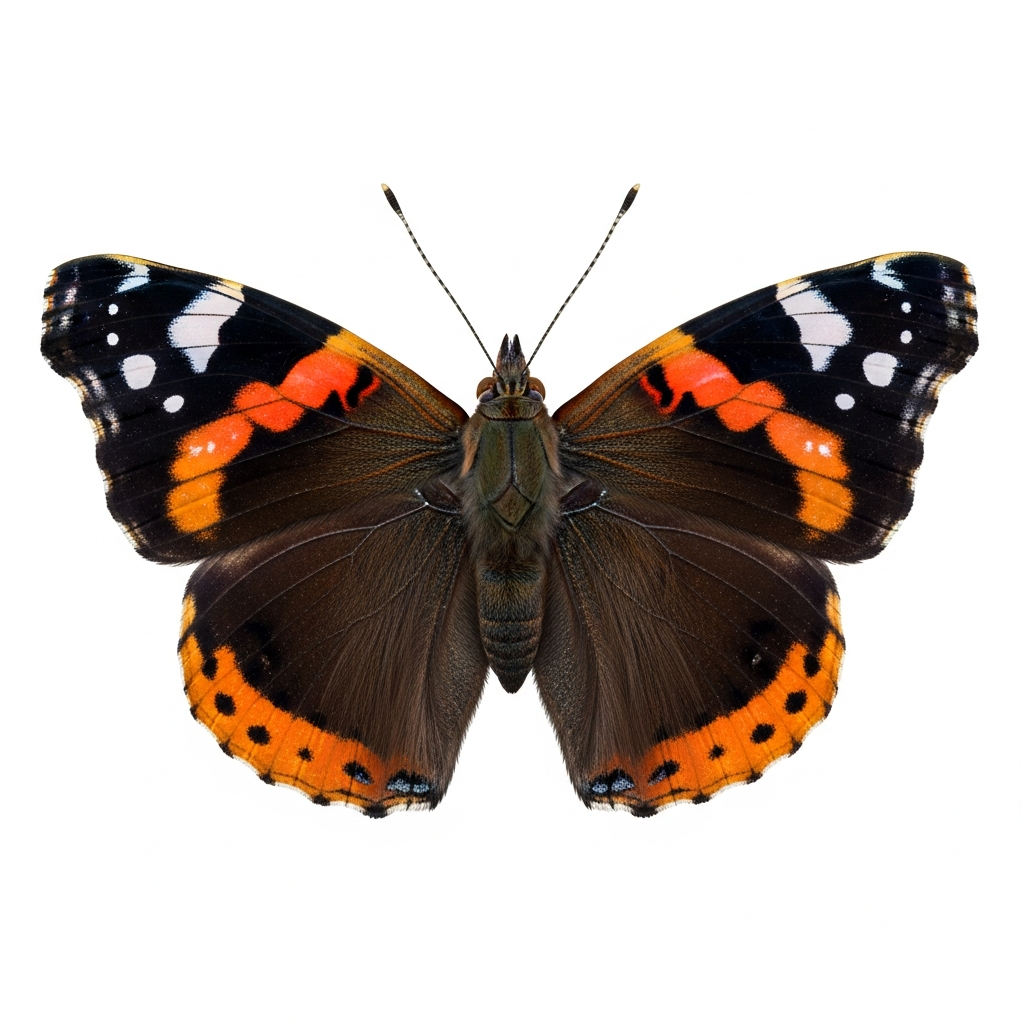
Butterfly or Moth?
Drag the labels into the boxes to name each creature and describe it.
Butterfly or Moth?
Name each creature and add two description labels to each one.
Butterfly or Moth?
Name each creature and add three description labels to each one.
Name the Butterfly
Drag the name label to match each butterfly.
Name the Butterfly
Name each butterfly and add two description labels.
Name the Butterfly
Name each butterfly and add three description labels, including its scientific name.
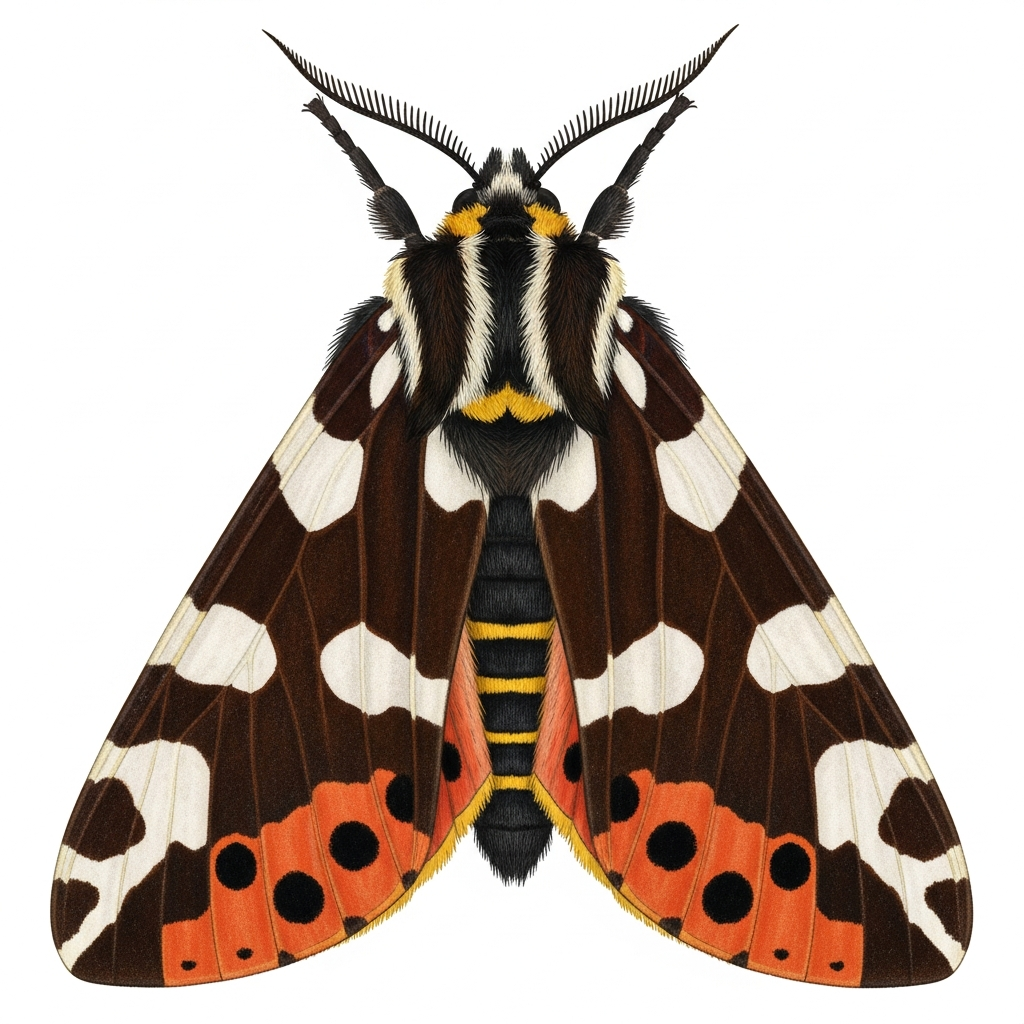
Name the Moth
Drag the name label to match each moth.
Name the Moth
Name each moth and add two description labels.
Name the Moth
Name each moth and add three description labels, including its scientific name.
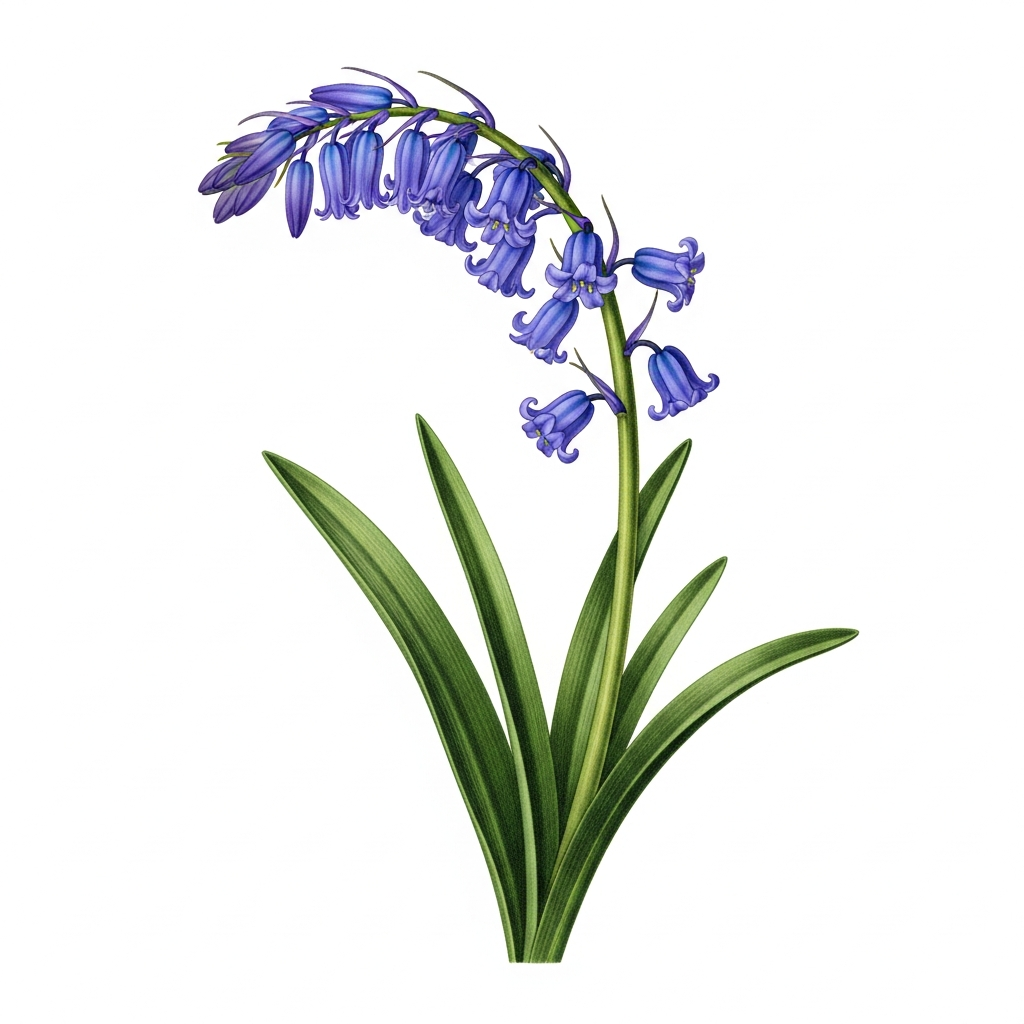
Name the Wildflower
Drag the name label to match each flower.
Name the Wildflower
Name each wildflower and add two description labels.
Name the Wildflower
Name each wildflower and add three description labels, including its scientific name.
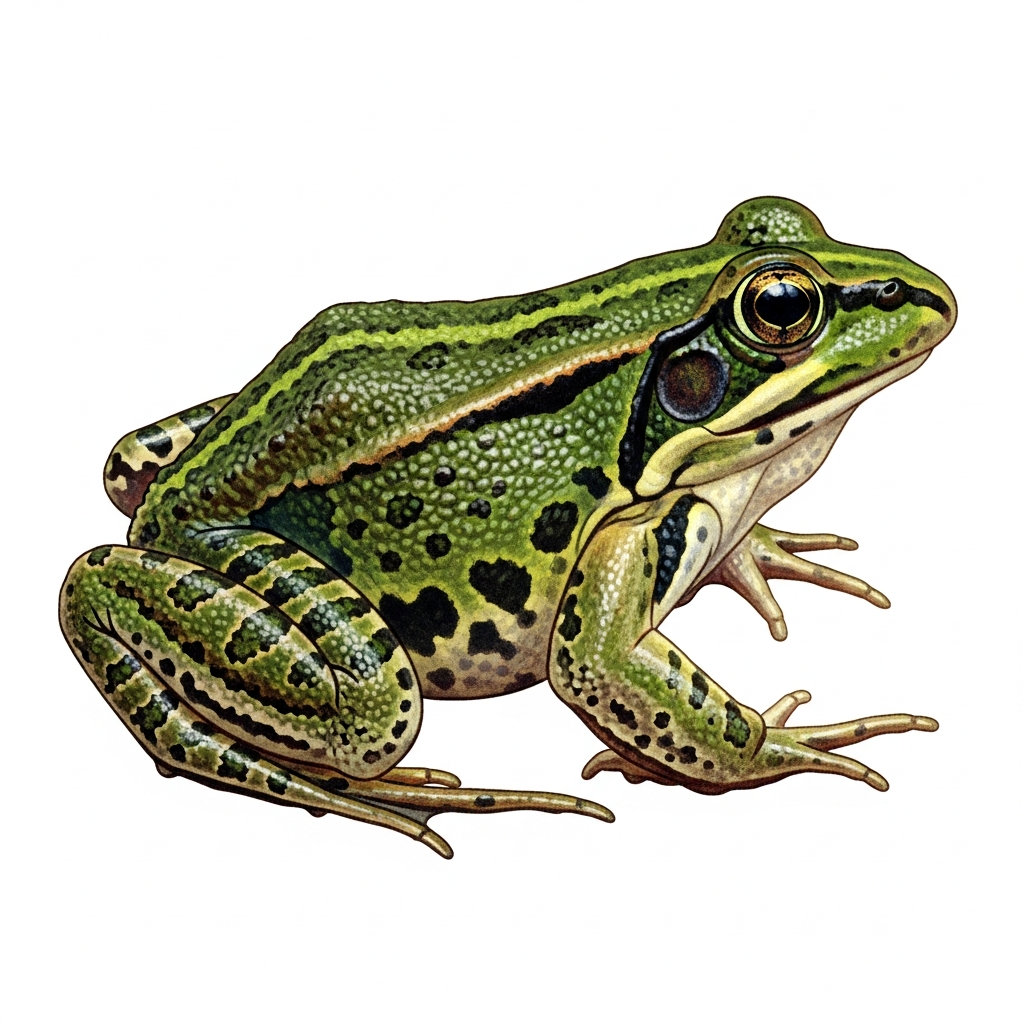
Frog or Toad?
Name each creature and add two description labels.
Frog or Toad?
Name each creature and add three description labels.
Frog or Toad?
Name each creature and add three description labels, including its scientific name.
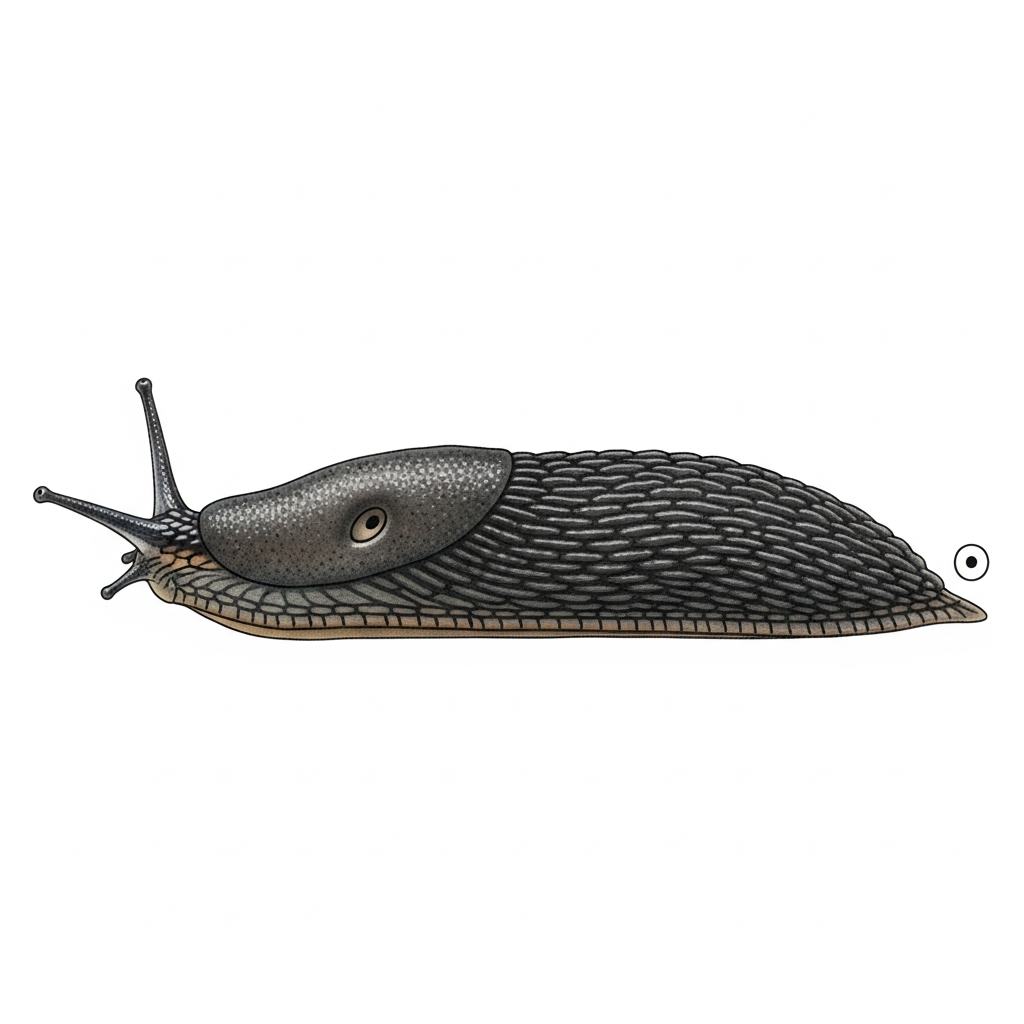
Slug or Snail?
Drag the labels to name each creature and describe it.
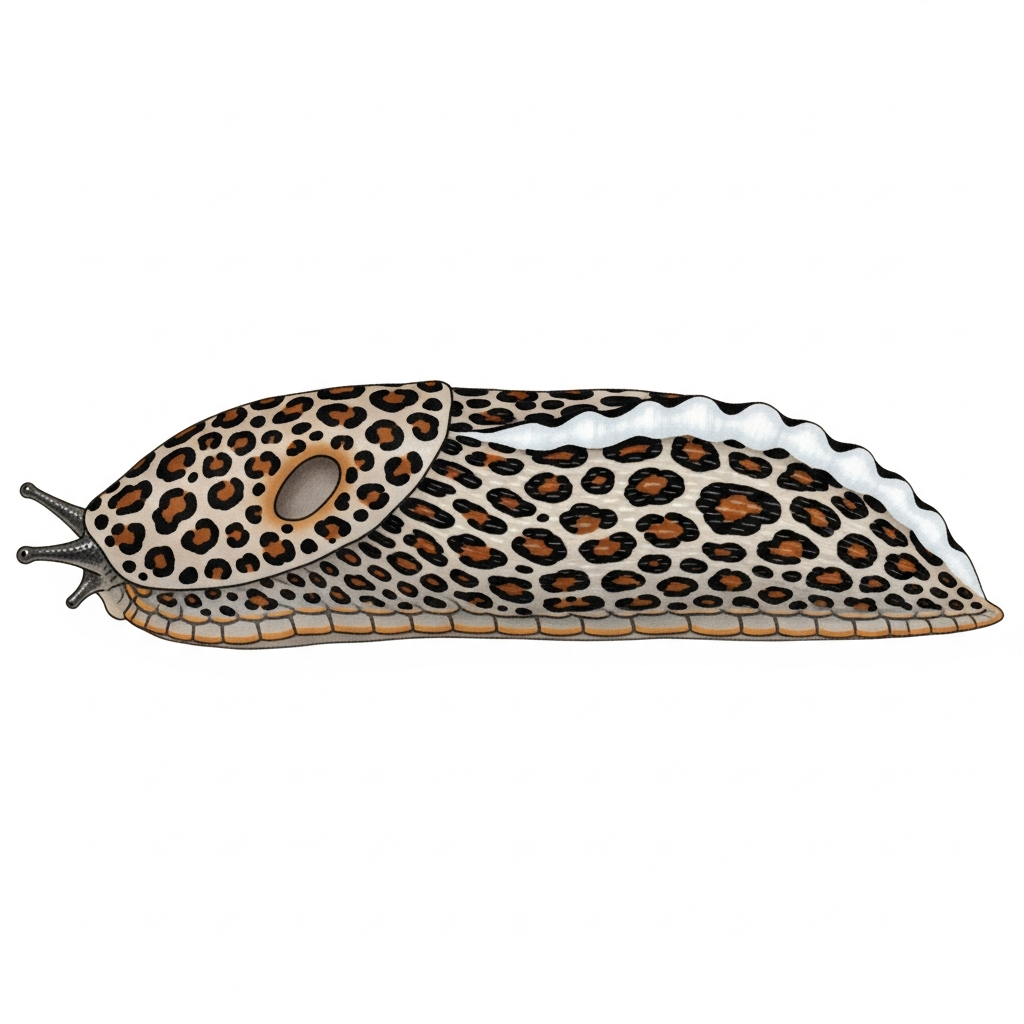
Slug or Snail?
Name each creature and add two description labels.
Slug or Snail?
Name each creature and add three description labels, including scientific name.
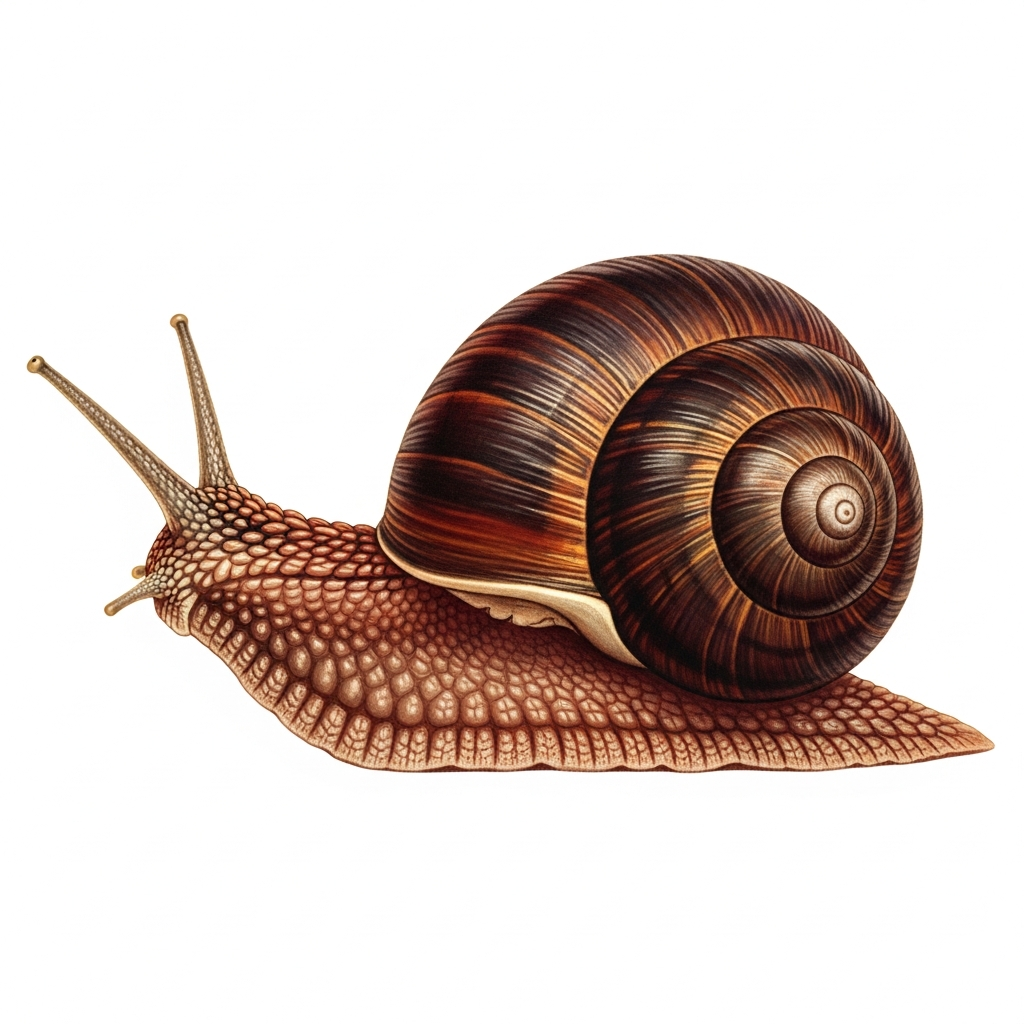
Name the Snail
Name each snail and add two description labels.
Name the Snail
Name each snail and add three description labels, including scientific name.
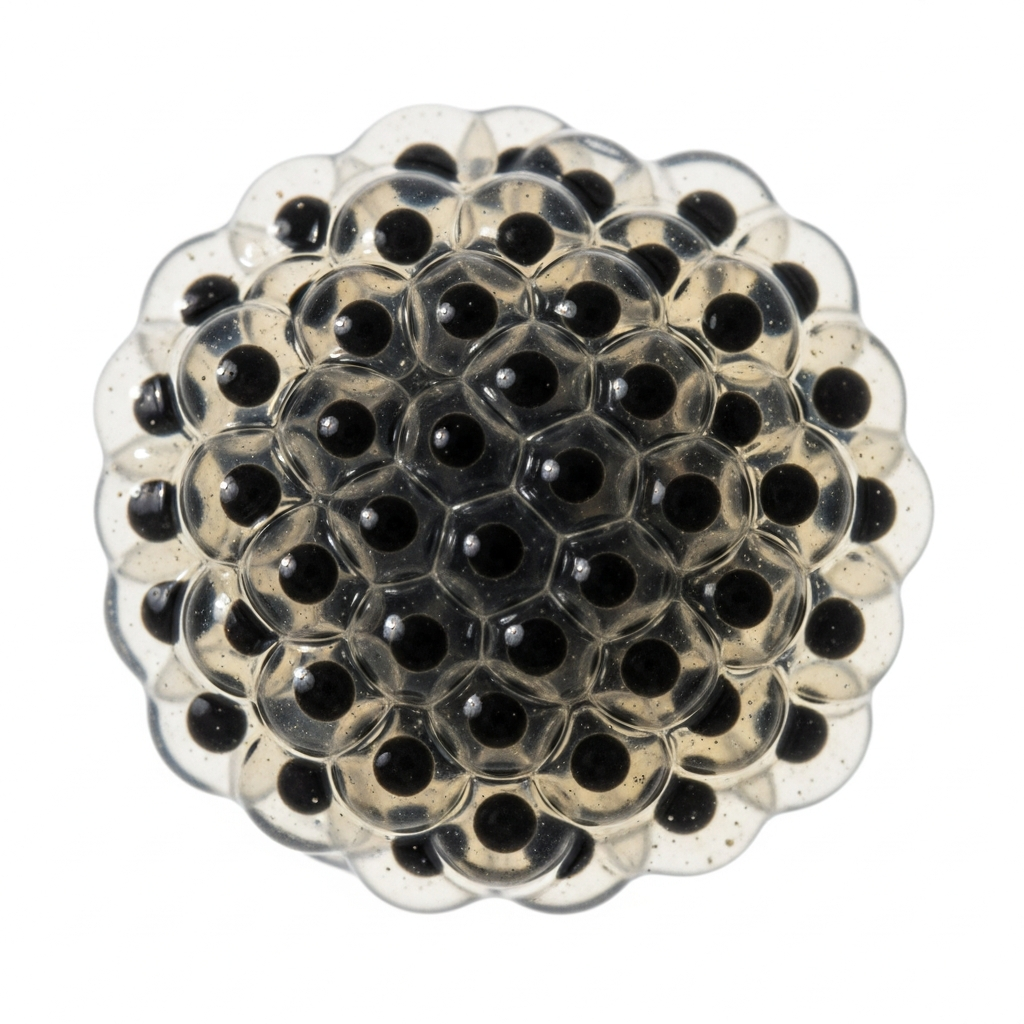
Frog Life Cycle
Put the pictures in the correct order to show how a frog grows.
Frog Life Cycle
Put the five stages in the correct order to show how a frog develops.
Frog Life Cycle
Arrange all six stages of the common frog's life cycle in the correct order.
Toad Life Cycle
Put the pictures in the correct order to show how a toad grows.
Toad Life Cycle
Put the five stages in order to show how a common toad develops.
Toad Life Cycle
Arrange all five stages of the common toad's life cycle in the correct order.
Butterfly Life Cycle
Put the four stages in the correct order.
Butterfly Life Cycle
Arrange the four stages of a butterfly's life cycle in the correct order.
Butterfly Life Cycle
Arrange the four stages of a butterfly's life cycle and explain what happens at each stage.
Sort: Butterflies and Moths
Drag each creature into the correct group.
Sort: Butterflies and Moths
Drag each creature into the correct group. Can you spot the clues in how they look?
Sort: Butterflies and Moths
Sort all eight species into the correct group. Think carefully — some moths are active by day!
Sort: Frogs and Toads
Drag each picture into the correct group.
Sort: Frogs and Toads
Sort each life stage into the correct group. Look carefully at the differences.
Sort: Slugs and Snails
Drag each creature into the correct group.
Sort: Slugs and Snails
Sort all seven creatures into the correct group. Look for the key difference between them.
Parts of a Butterfly
Drag the labels to the correct parts of the butterfly.
Parts of a Butterfly
Label the parts of this Red Admiral butterfly using the correct scientific terms.
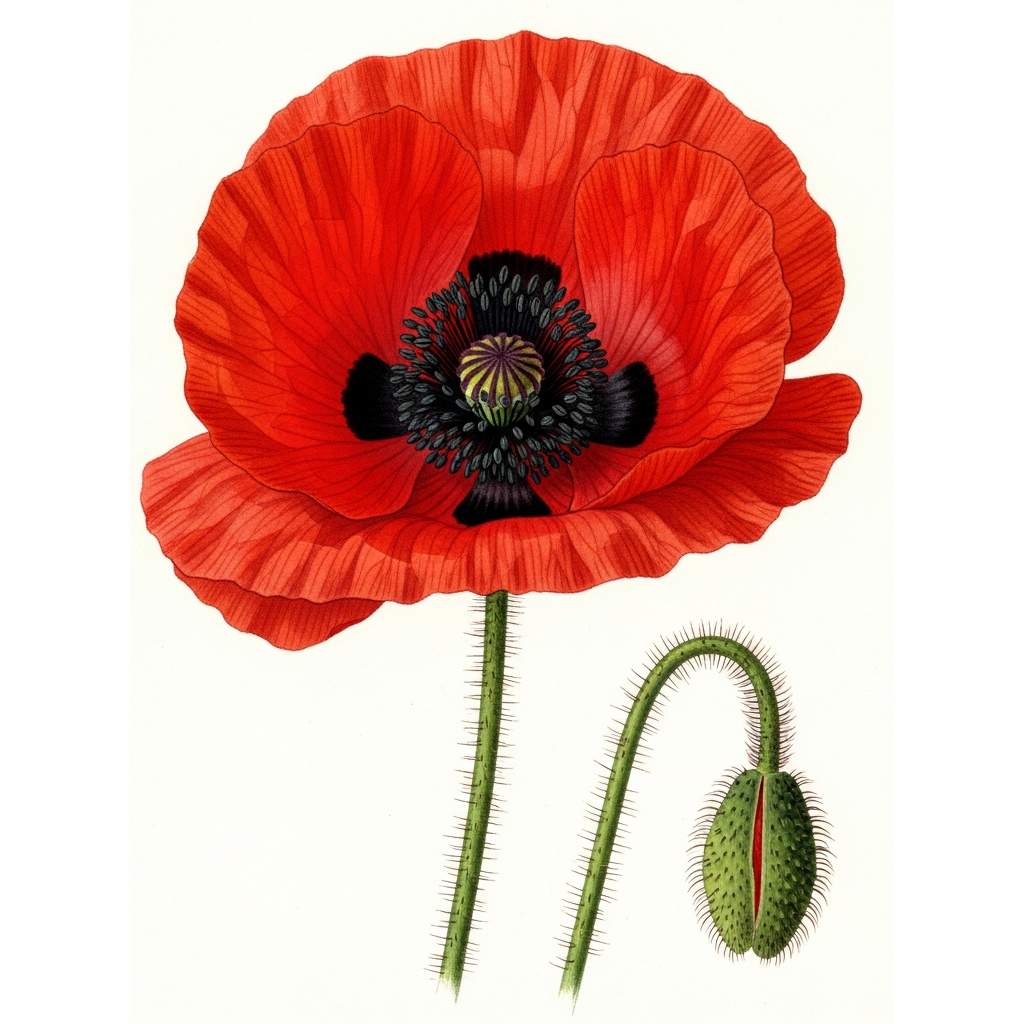
Parts of a Flower
Drag the labels to the correct parts of this flower.
Parts of a Flower
Label the parts of this poppy using the correct scientific terms.
Parts of a Snail
Drag the labels to the correct parts of this garden snail.
Parts of a Snail
Label the parts of this common garden snail using the correct scientific terms.
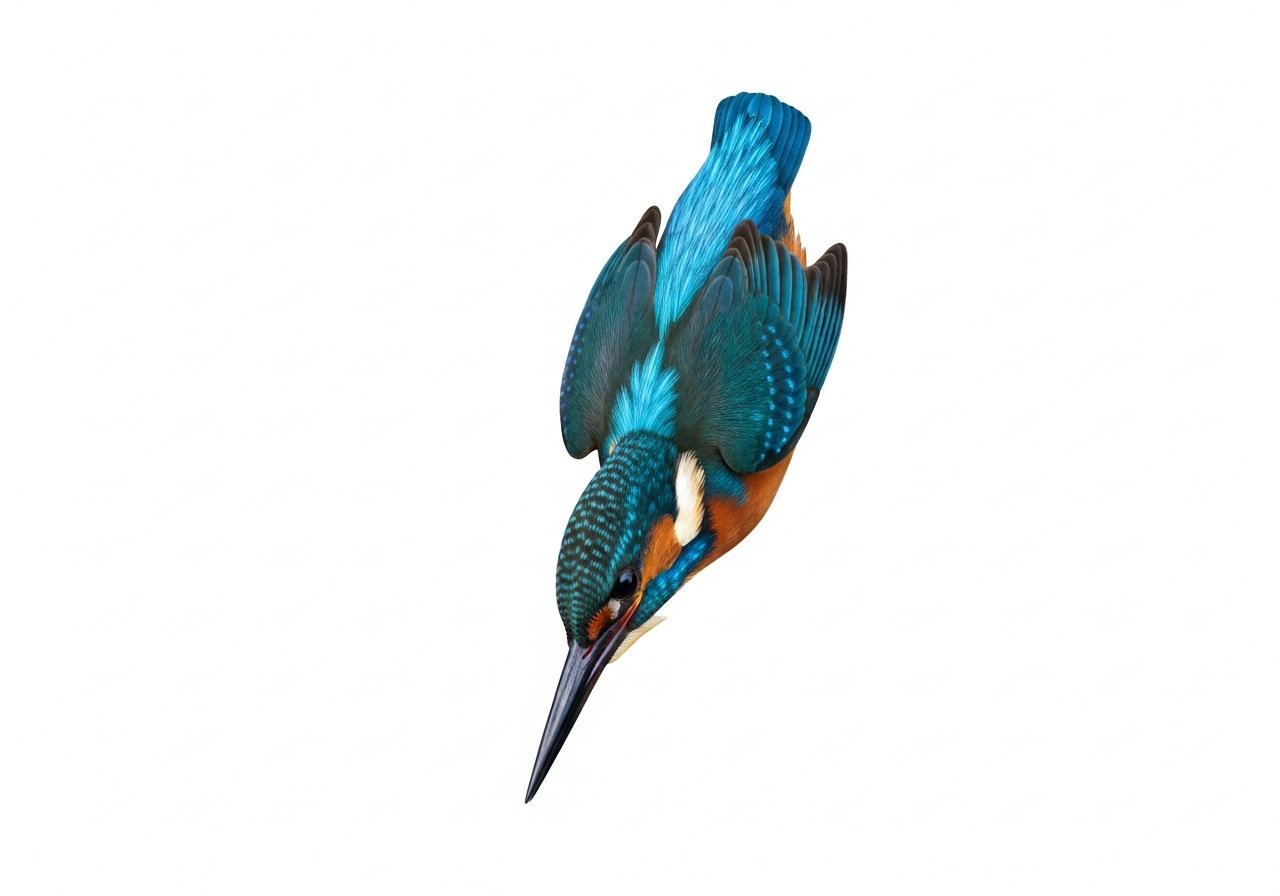
The kingfisher and the bullet train
Common kingfisher (Alcedo atthis) — The kingfisher's long, pointed beak is shaped so that it slips from the air into the water almost without a splash. The fish never sees it coming.
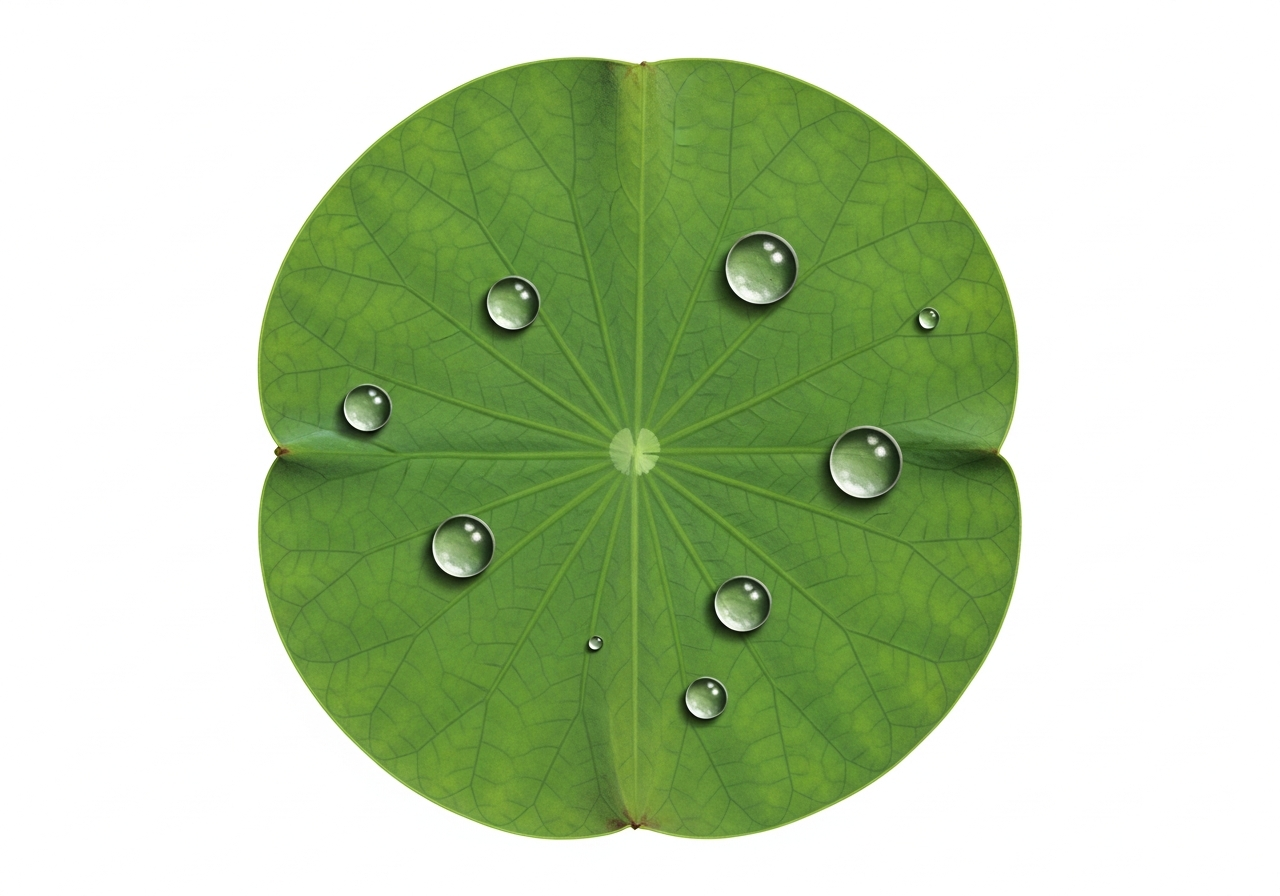
The lotus leaf that never gets dirty
Sacred lotus (Nelumbo nucifera) — Look very closely at a lotus leaf and you'll see it's covered in tiny, tiny bumps — too small to see without a microscope. These bumps are coated in wax. When a water droplet lands, it can only rest on the very tips of the bumps, so it rolls off instantly, taking any dust and mud with it. The leaf cleans itself every time it rains, without the plant doing a thing.
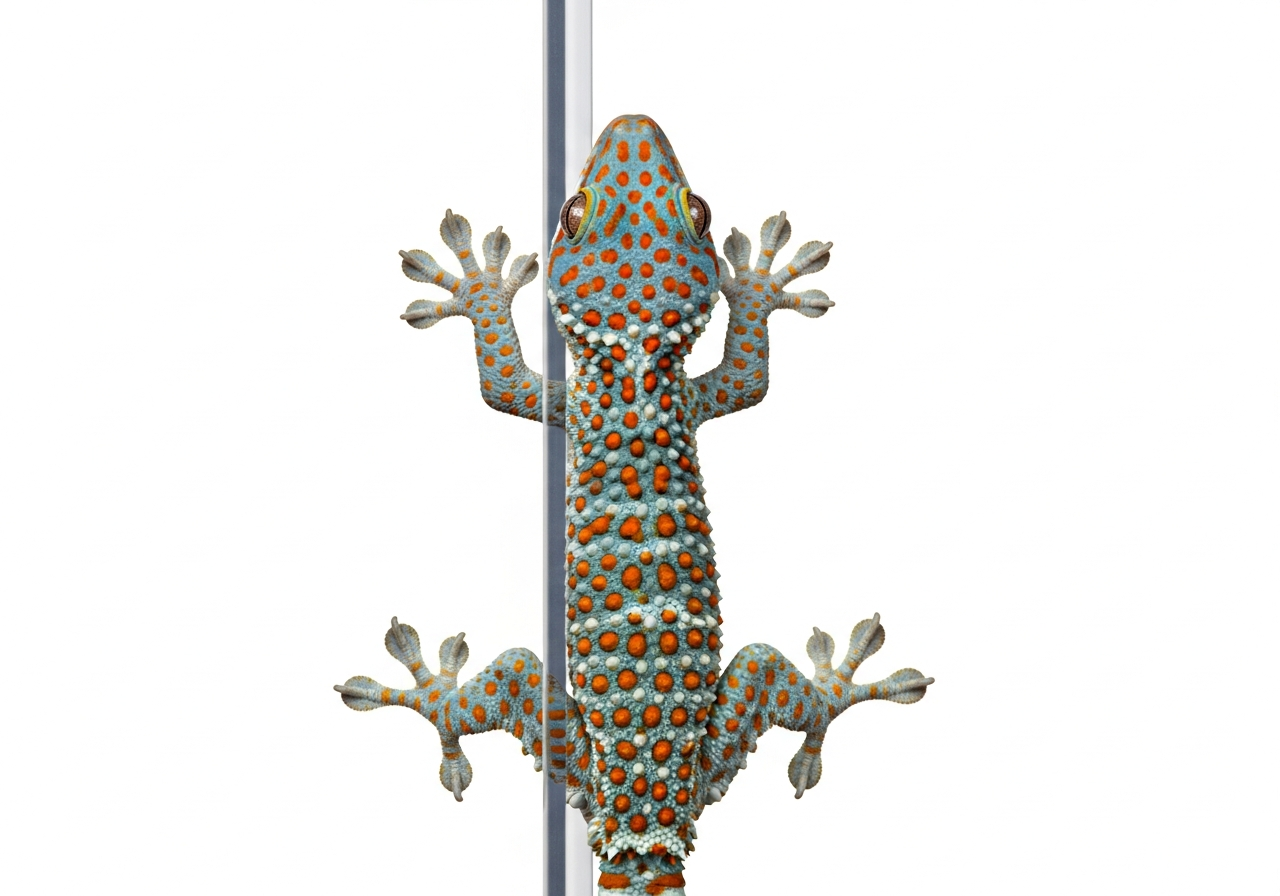
The gecko that walks up walls
Tokay gecko (Gekko gecko) — Each of the gecko's toes is covered in millions of hair-like bristles, so tiny you'd need a microscope to see them. At the very tip of each bristle are even tinier paddle shapes. There are so many of them that together they create a very gentle invisible pull — like the force that makes two pieces of glass stick together when they're wet. The gecko just peels its toes away to let go, instantly and cleanly, leaving no sticky mess behind.
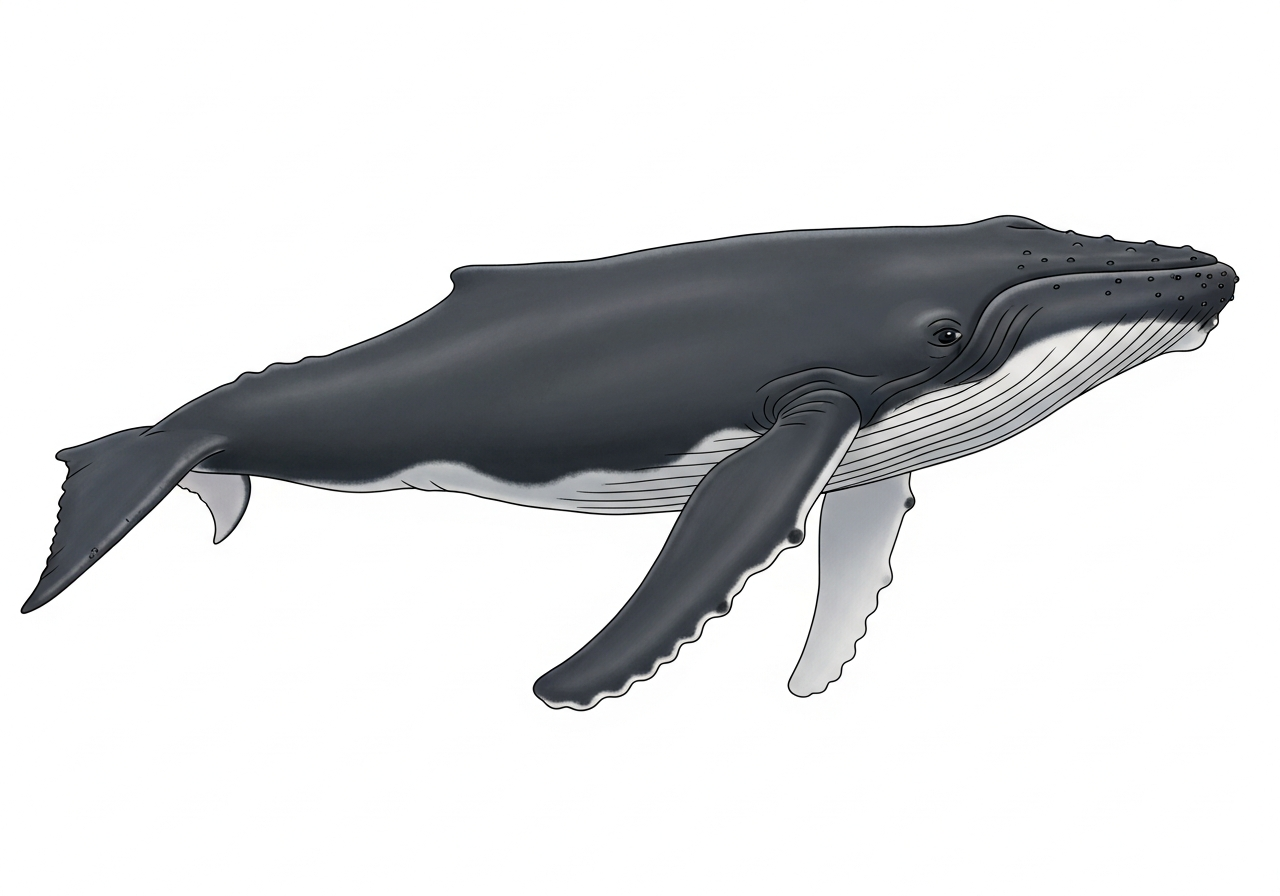
The whale that improved the wind turbine
Humpback whale (Megaptera novaeangliae) — The humpback's front fins have a row of bumps along the leading edge, a bit like knuckles. These bumps break up the water flowing over the fin in a way that stops it from suddenly 'stalling' and losing grip. Instead of sliding sideways when it tries to turn sharply, the fin holds on — letting the whale carve tight circles that would be impossible with a smooth fin.
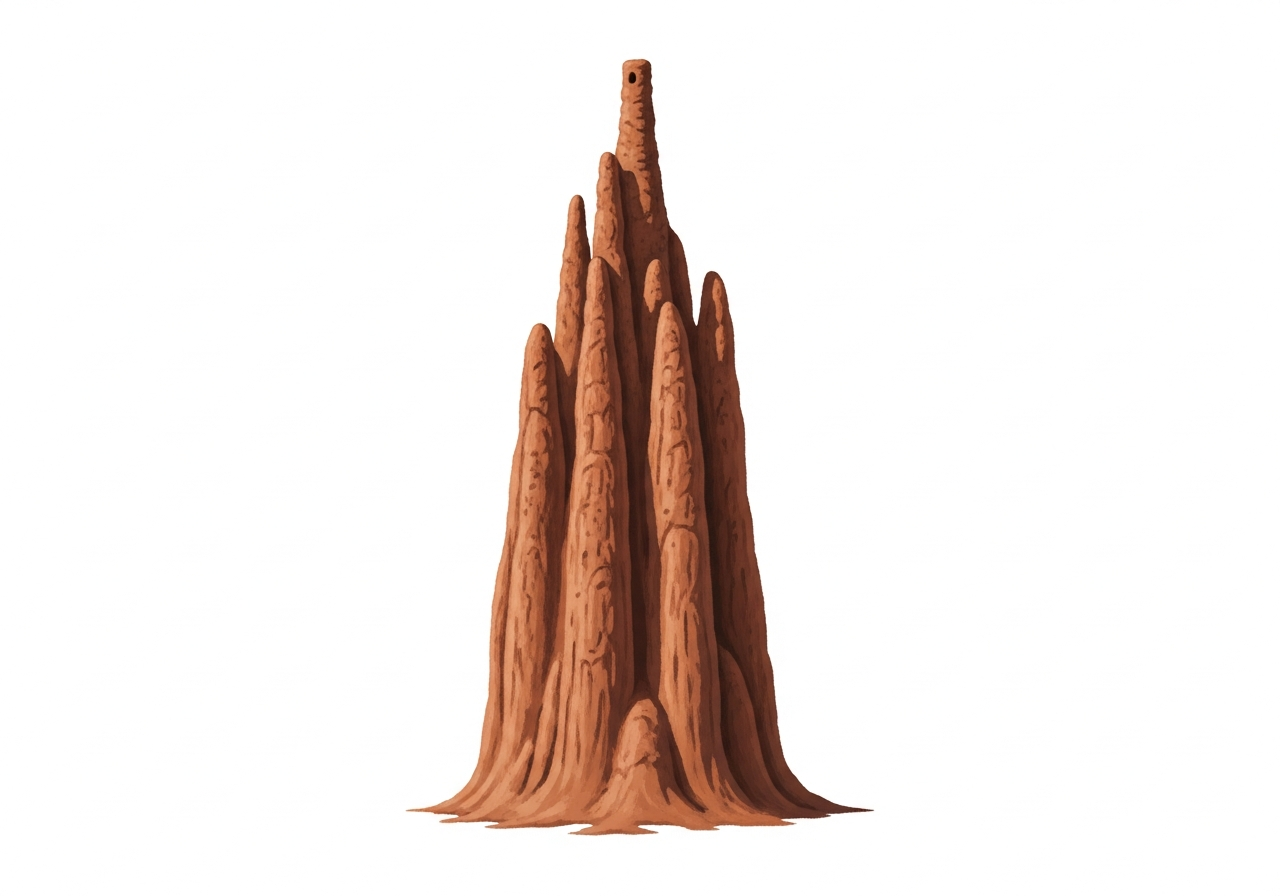
The termite mound that inspired a building with no air conditioning
African termite (Macrotermes michaelseni) — The mound is riddled with a network of tunnels and chimneys. As the termites' bodies warm the air inside, that warm air rises and escapes through vents at the top, drawing in cooler fresh air from below. The thick earthen walls soak up heat during the day and release it slowly at night, acting like a giant storage heater in reverse. The result is a near-constant temperature inside — no fans, no electricity, no air conditioning needed.
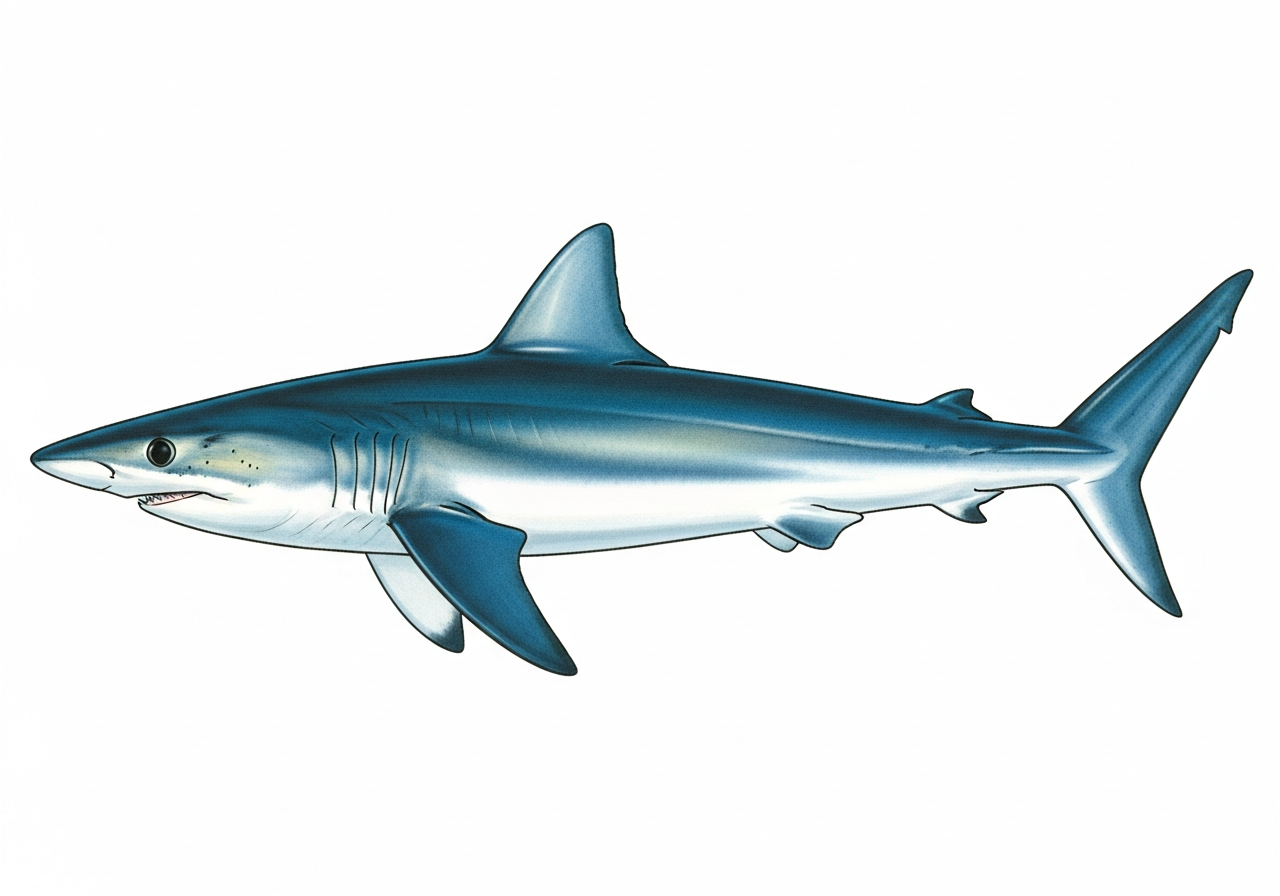
The shark skin that stops germs spreading
Shortfin mako shark (Isurus oxyrinchus) and related species — Shark skin is covered in thousands of tiny ridged scales, each shaped a bit like a small tooth. These ridges run along the direction the shark swims, which helps reduce the drag of the water. But here's the clever extra trick: the ridges also make it very hard for bacteria to find a flat place to grip onto and settle. The germs simply can't get a foothold — no chemicals needed, just the shape of the surface.
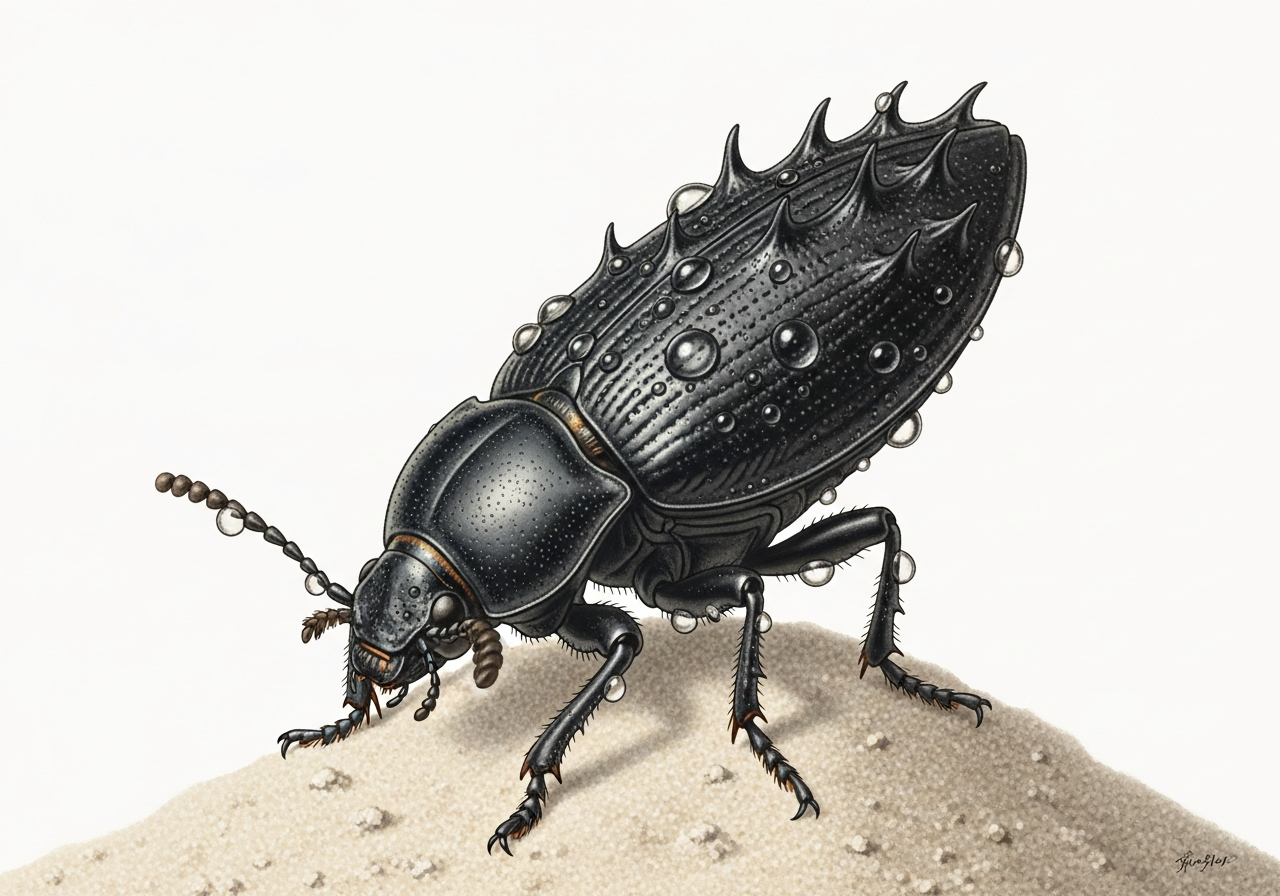
The beetle that drinks the fog
Namib desert beetle (Stenocara gracilipes) and several desert plants — The beetle stands on top of a sand dune with its back tilted into the wind. Its back is covered in a pattern of tiny bumps and smooth channels. The bumps attract water — fog droplets land on them and stick. The channels are waxy and water-repelling, so once a droplet grows big enough, it rolls quickly along the channel all the way down to the beetle's mouth. It's like the beetle has its own tiny water-collecting machine built into its skin.
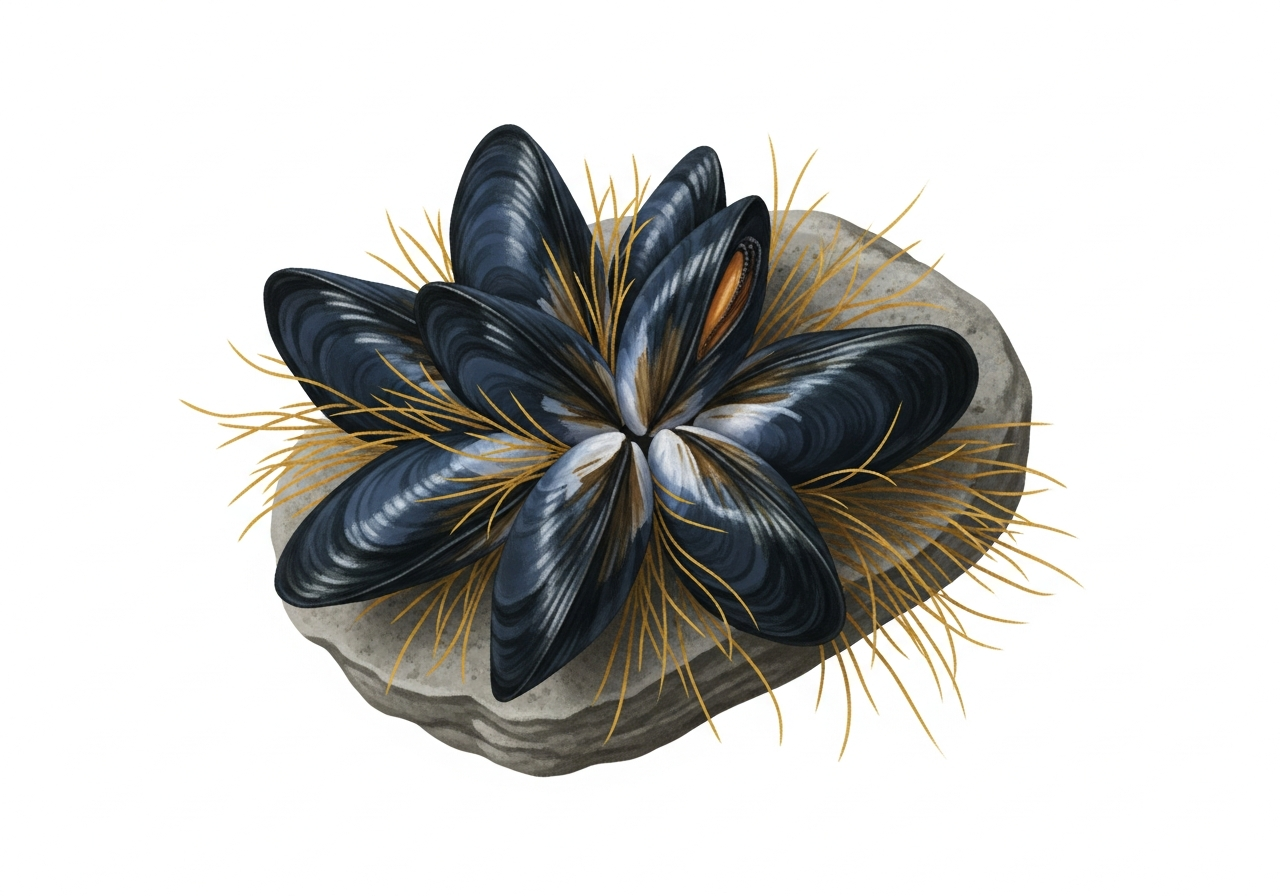
The mussel's miracle glue
Common mussel (Mytilus edulis) and related species — The mussel makes its own special glue from proteins produced in its foot. It presses its foot against the rock and secretes these proteins, which seep into the tiniest gaps in the rock surface and grip tight. The special ingredient in the proteins first clears away the thin film of water on the rock — creating a brief dry patch — and then bonds powerfully to the rock itself. No manufactured glue has managed to do this as well as a mussel.
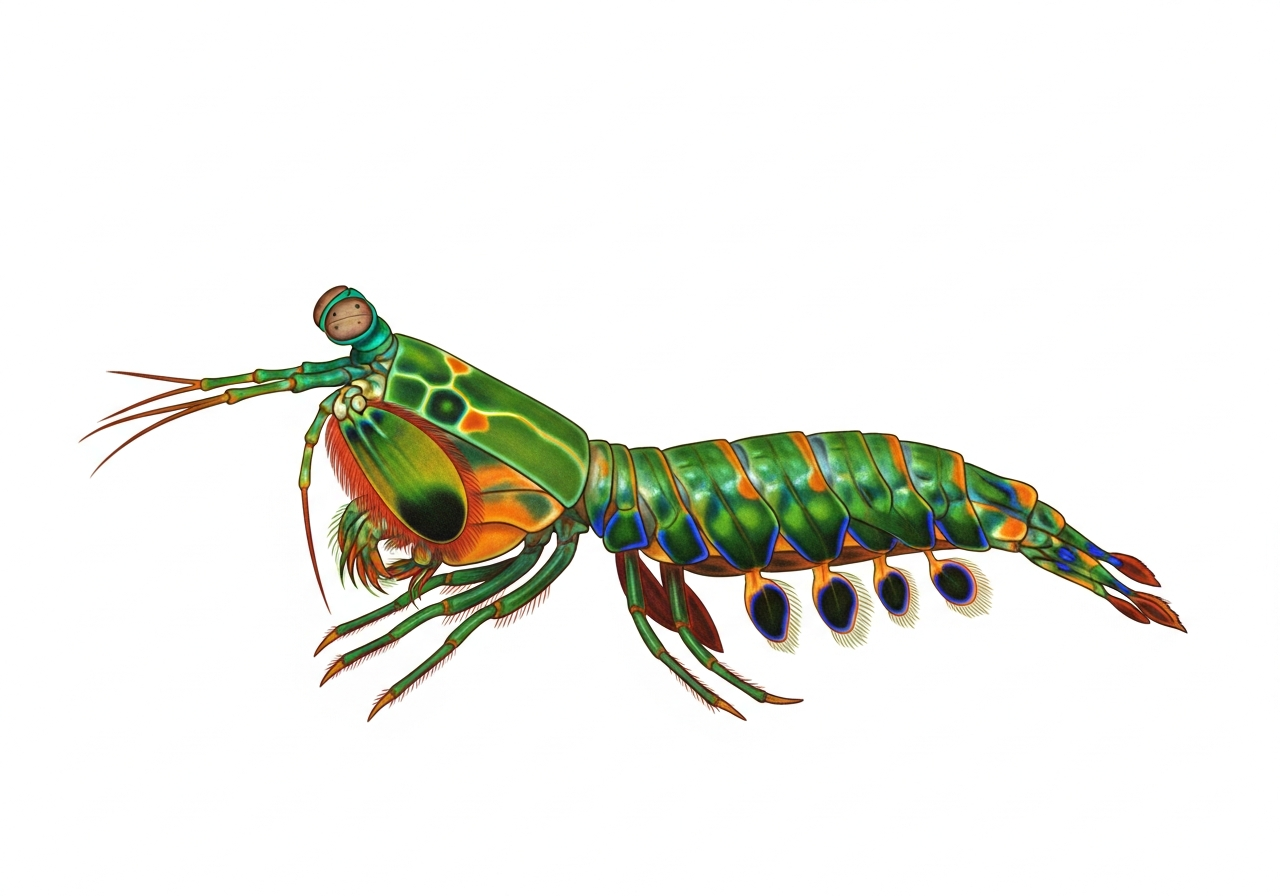
The shrimp with the world's most powerful punch
Peacock mantis shrimp (Odontodactylus scyllarus) — The mantis shrimp's clubbing limb is built like a carefully engineered shield. Inside, it has layers of mineralised fibres arranged in a spiral — like a very tightly wound spring or the layers in a croissant, but twisted round and round. When a crack tries to form from an impact, it has to follow the spiral, twisting and turning instead of going straight through. By the time it's finished twisting, the energy of the impact has been used up. The club can strike thousands of times and never crack.
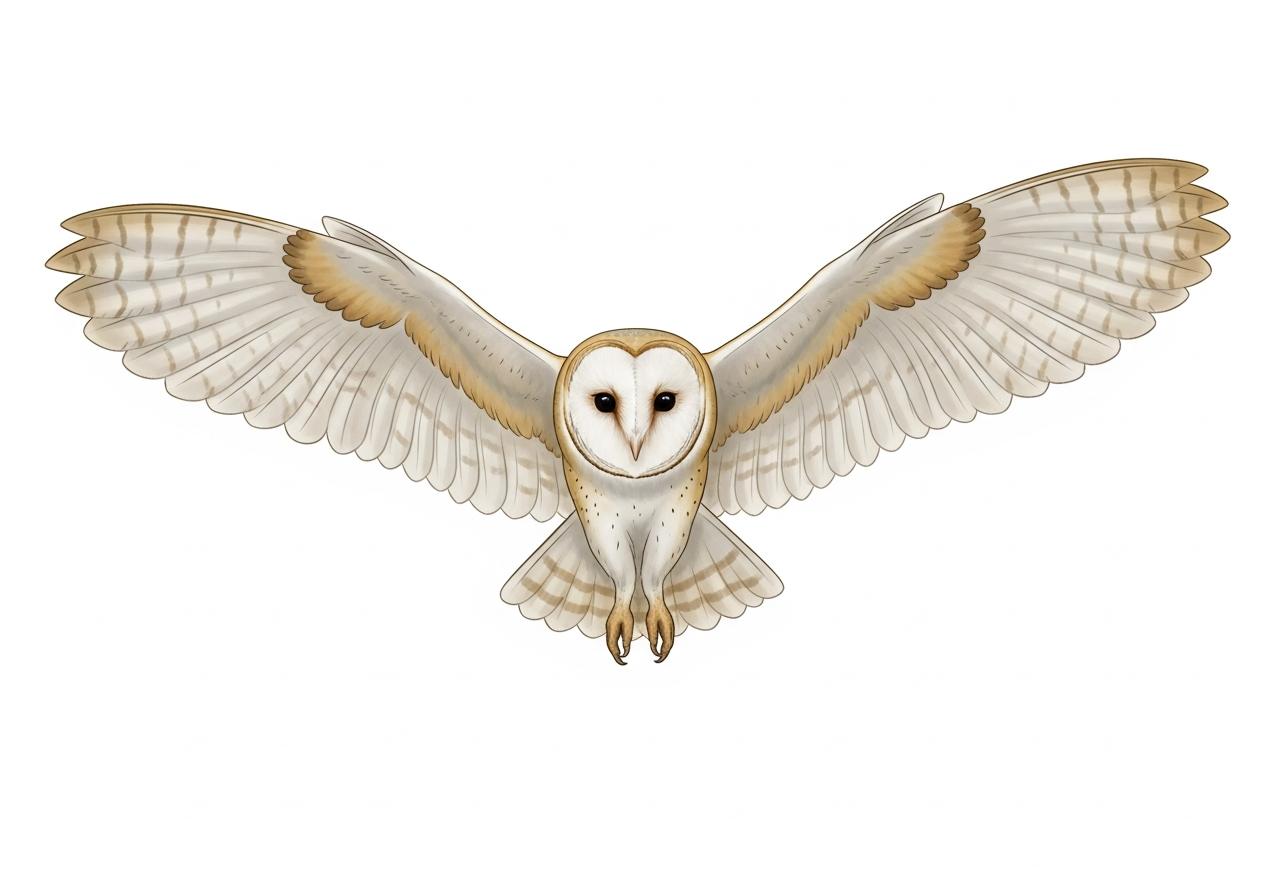
The owl that flies in silence
Barn owl (Tyto alba) and related species — Barn owl feathers have three clever features working together. The leading edge of each large feather is fringed with tiny comb-like serrations, like the teeth of a very fine comb. These break up the rush of air into smaller, quieter swirls. The upper surface of the feathers is covered in soft, velvety hairs that muffle any remaining sound. And the trailing edge of each feather is ragged and wispy, smoothing the turbulent wake behind the wing. Together, these three things cut the sound of flight to almost nothing.
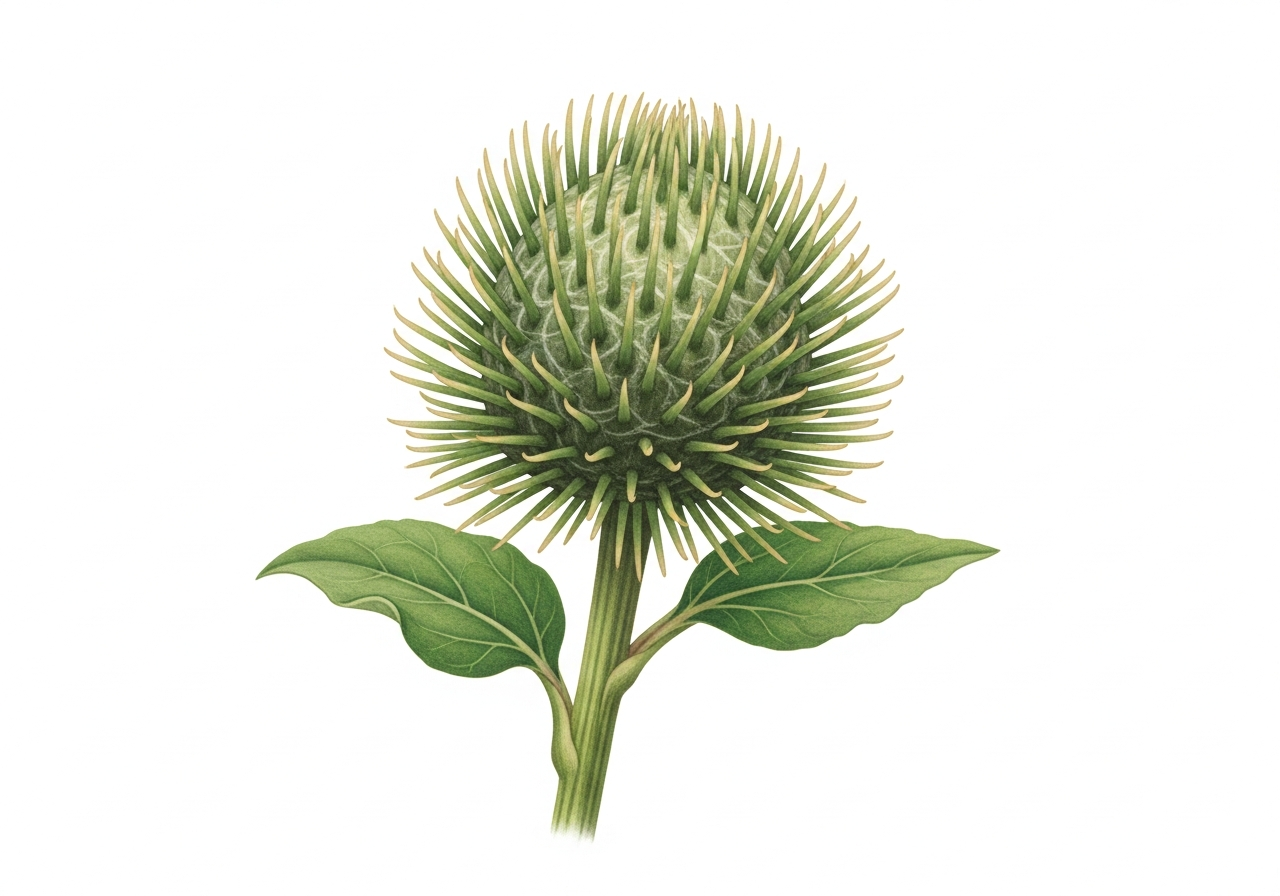
The burr that invented Velcro
Greater burdock / lesser burdock (Arctium lappa / Arctium minus) — Each burdock burr is covered in hundreds of tiny hooks, each one curving over at the tip like a very small shepherd's crook. When an animal brushes past, these hooks catch on loops of fur or fabric and the burr hitches a ride — sometimes for miles — before eventually falling off. The plant uses passing animals as its transport system, and the hooks are its ticket.
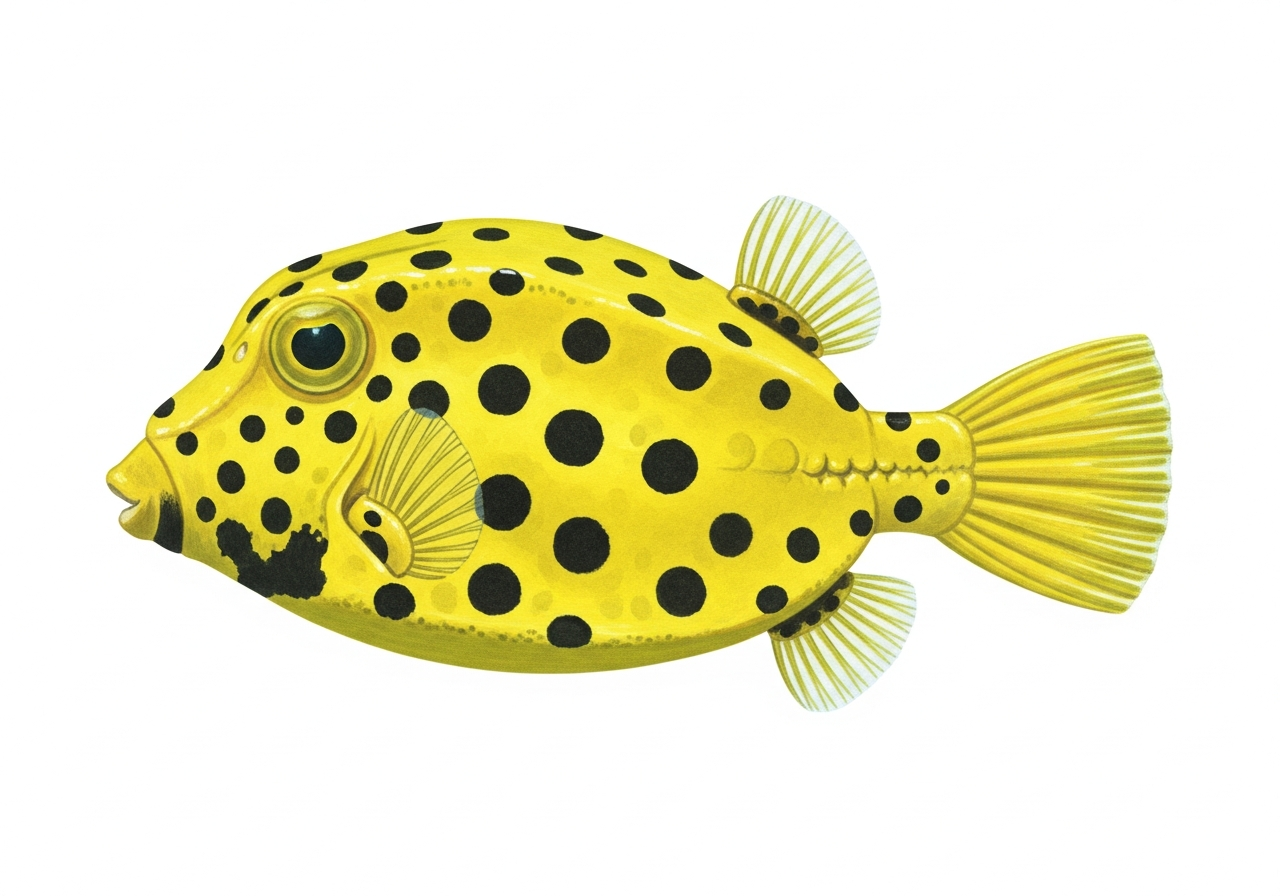
The boxy fish and the low-drag car
Yellow boxfish (Ostracion cubicus) — The boxfish moves remarkably well despite its shape. Engineers at Mercedes-Benz measured how much resistance the boxfish body created in a wind tunnel and found the number was very low for a shape that boxy. The rounded curves of its carapace — its bony outer shell — seem to guide the water around it smoothly. Scientists are still debating exactly why it works so well: it turns out that rather than being naturally stable like a boat, the boxfish is actually quite wobbly, and uses its fins constantly to keep course. It may be that the real secret is the fins, not the shell — and the full story isn't settled yet. Science often works this way: a first idea turns out to be more complicated than it seemed.
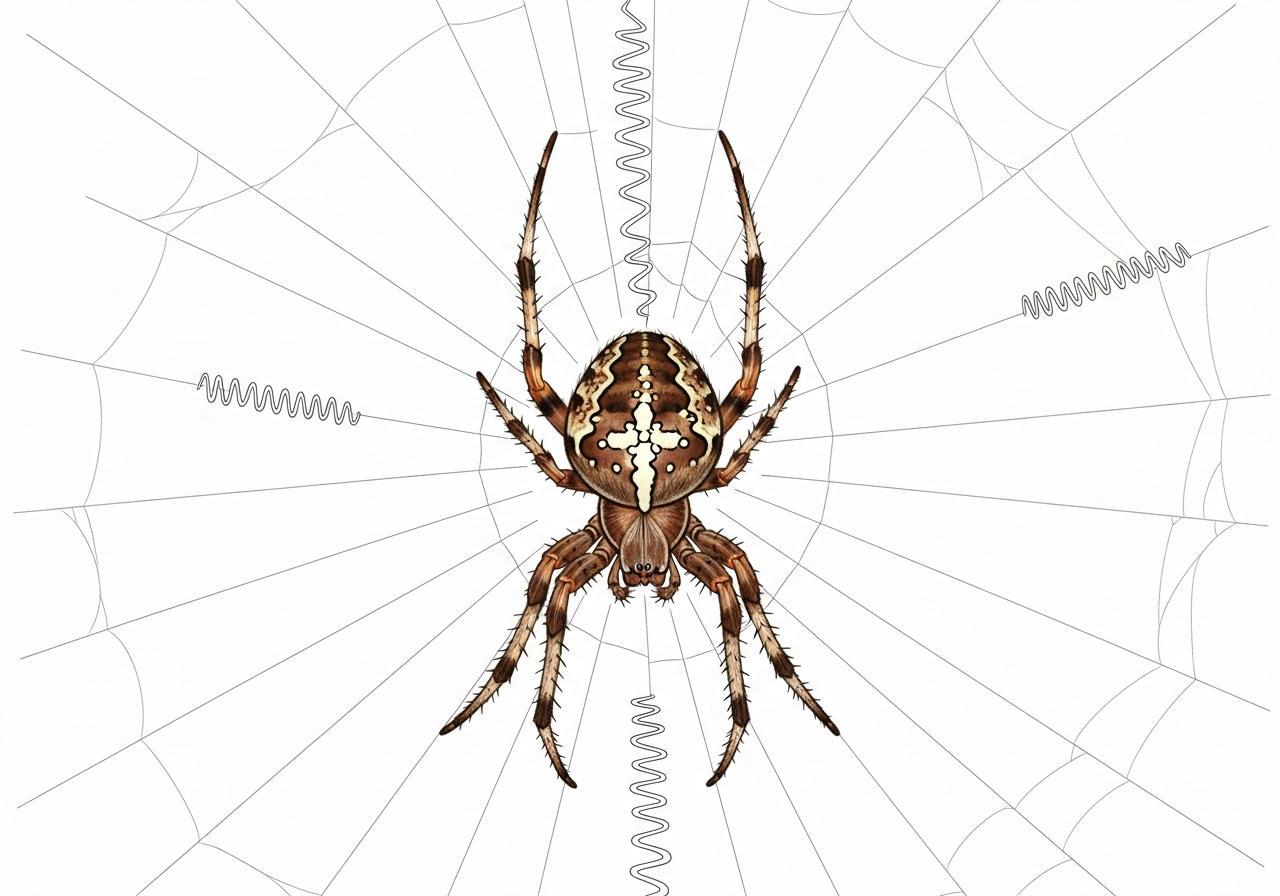
The spider's thread stronger than steel
Orb-weaver spiders, principally golden silk orb-weaver (Nephila spp.) and garden cross spider (Araneus diadematus) — The radial threads of an orb web are made of a silk that is stronger than steel wire of the same thickness and can stretch by a third of its length before snapping. That combination — very strong AND very stretchy — is extraordinarily rare in nature or in manufacturing. The spider produces two different silk proteins and spins them together into a single thread inside its body, pulling the thread through a tiny tube that arranges the proteins into a structure that gives both stiffness and springiness at once. No factory has yet managed to copy this spinning process precisely.
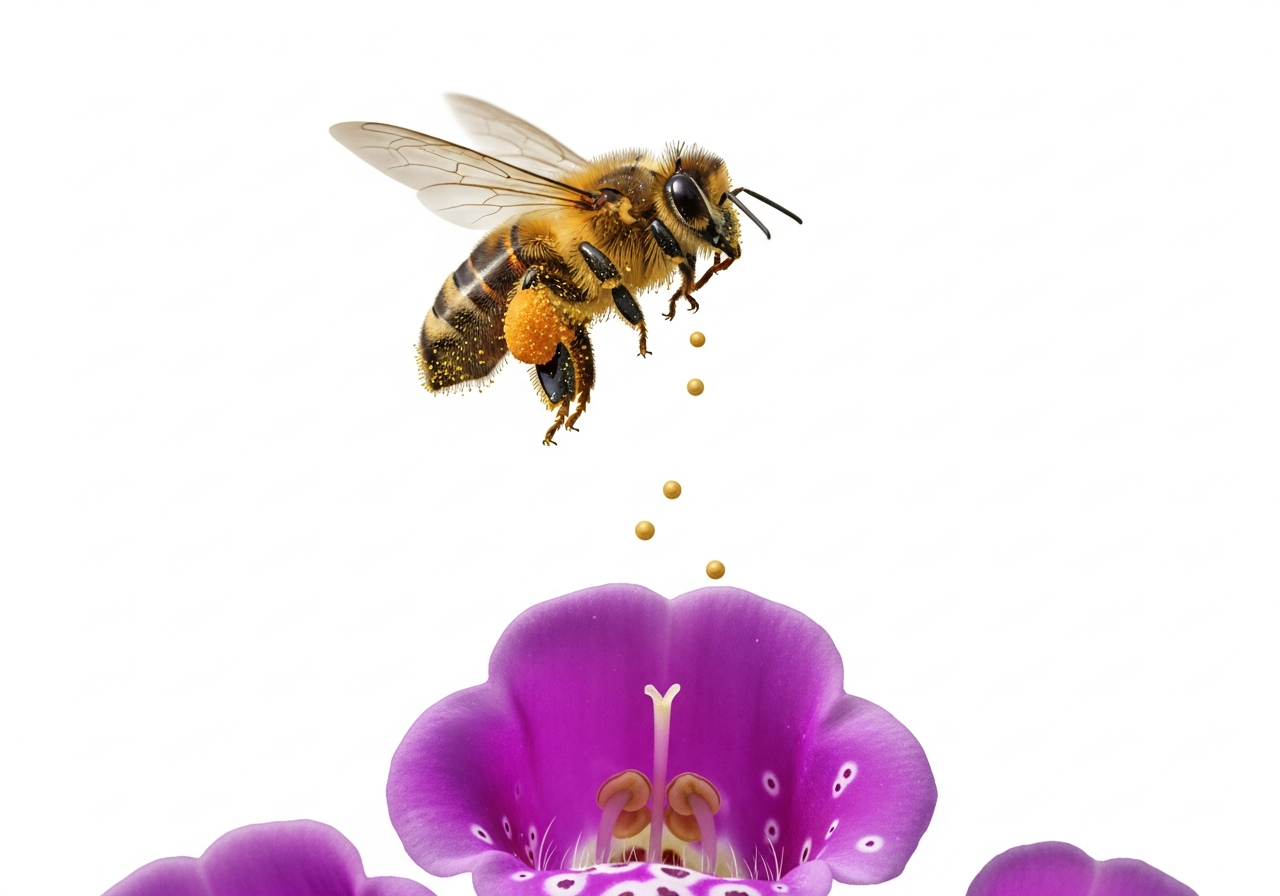
The bee that pulls pollen with static
Honeybee (Apis mellifera) and bumblebees (Bombus species) — As a bee flies, its tiny hairs rub against the air and build up a small positive charge of static electricity — the very same kind you make by rubbing a balloon on a woolly jumper. Flowers, rooted to the damp ground, carry a slightly negative charge. Because opposite charges pull towards each other, the pollen actually leaps up through the air onto the bee before it has even touched the flower, and clings to its hairy body. Cleverer still, a flower's charge changes for a little while after a bee has visited — so the next bee can sense it has just been emptied and not waste time landing.
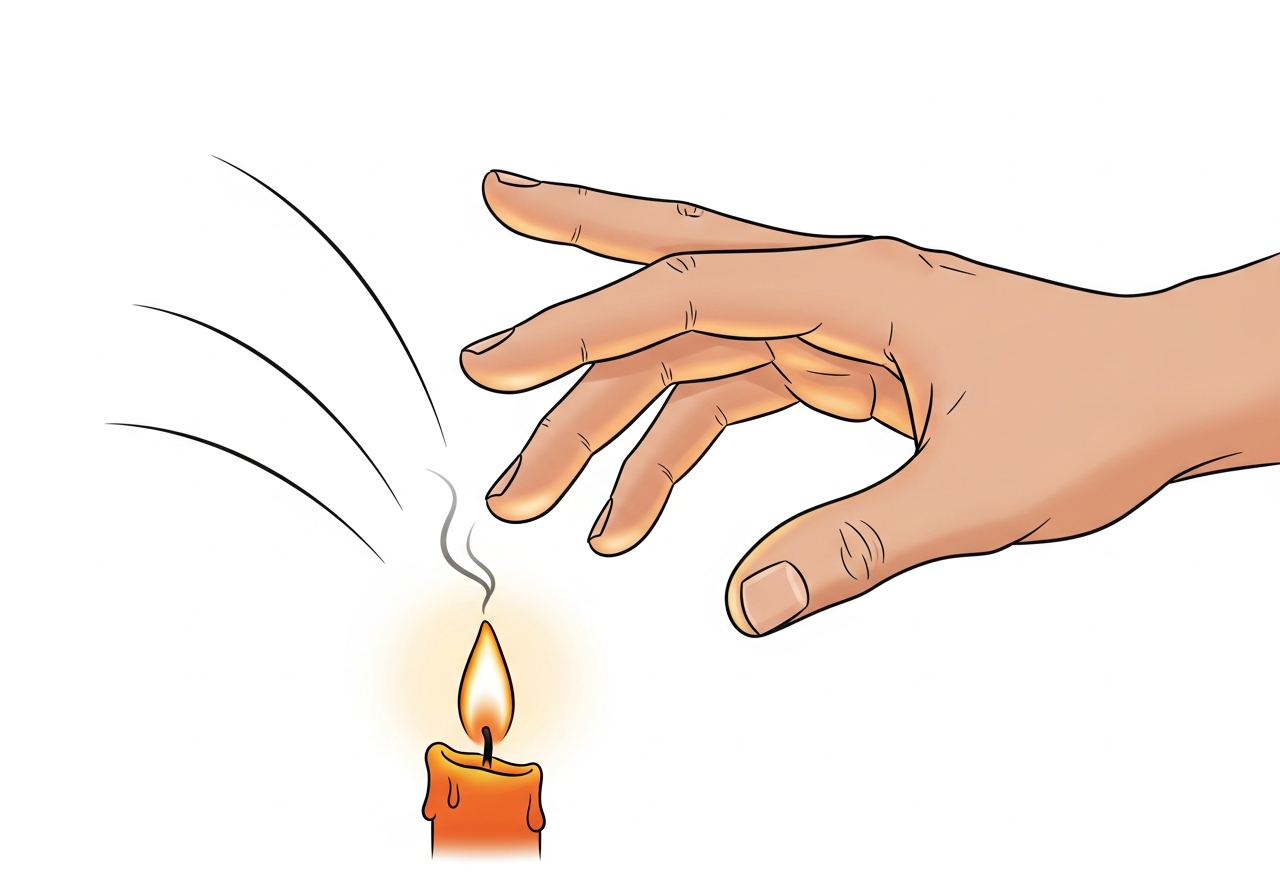
The body's shortcut that acts before you think
Human (Homo sapiens) — and every animal with a backbone — For the most urgent jobs, the body takes a shortcut called a reflex. The 'danger!' signal races only as far as the spinal cord — the thick bundle of nerves running up your back — which fires the order 'pull away!' straight back to the muscle, skipping the brain altogether. It saves a fraction of a second, and that fraction is enough to save you from a burn. You feel the pain a moment later, once the slower message reaches your brain.
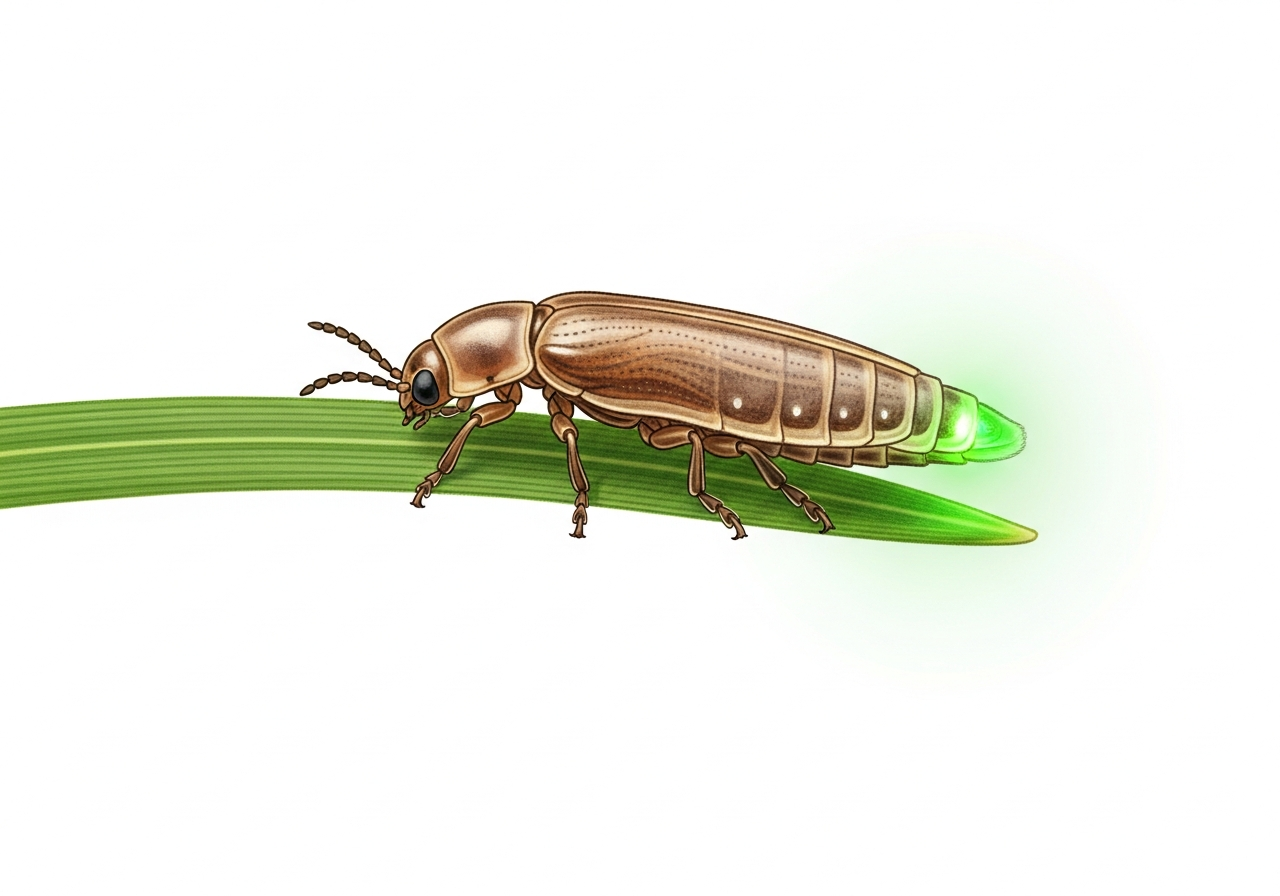
The beetle that makes light without heat
Glow-worm (Lampyris noctiluca) — which is really a beetle, not a worm — The glow-worm makes 'cold light'. Inside the tip of her body, a chemical called luciferin reacts with oxygen and gives off light with almost no heat at all — nearly every scrap of energy becomes light instead of warmth. It is one of the most efficient lights anywhere in nature.
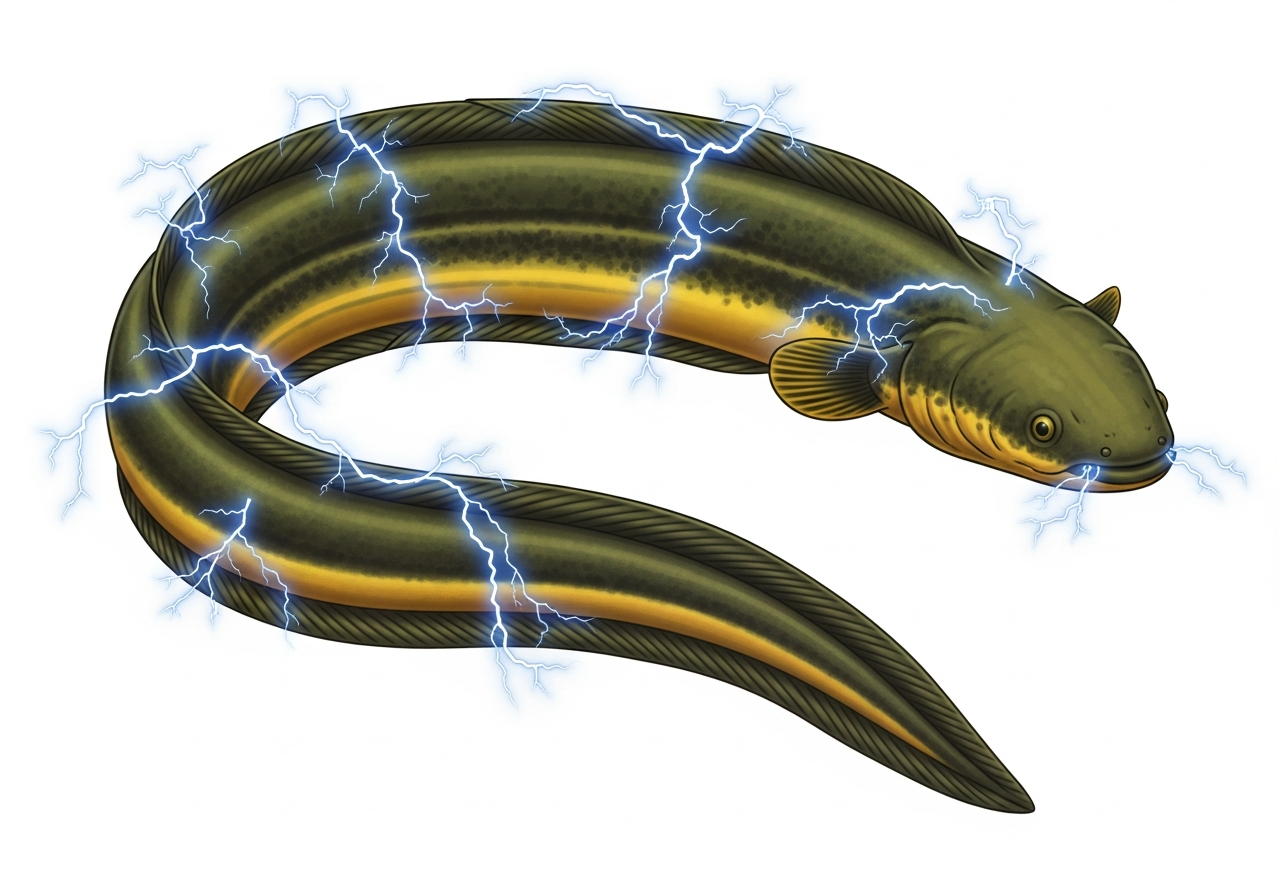
The fish that powered the very first battery
Electric eel (Electrophorus electricus) — Most of the eel's long body is packed with special cells stacked in their thousands, one on top of another, like a tall pile of tiny flat batteries. Each cell makes only a feeble amount of electricity, but stacked together and fired at once they add up to a powerful shock — enough to stun a fish or warn off a much bigger animal.
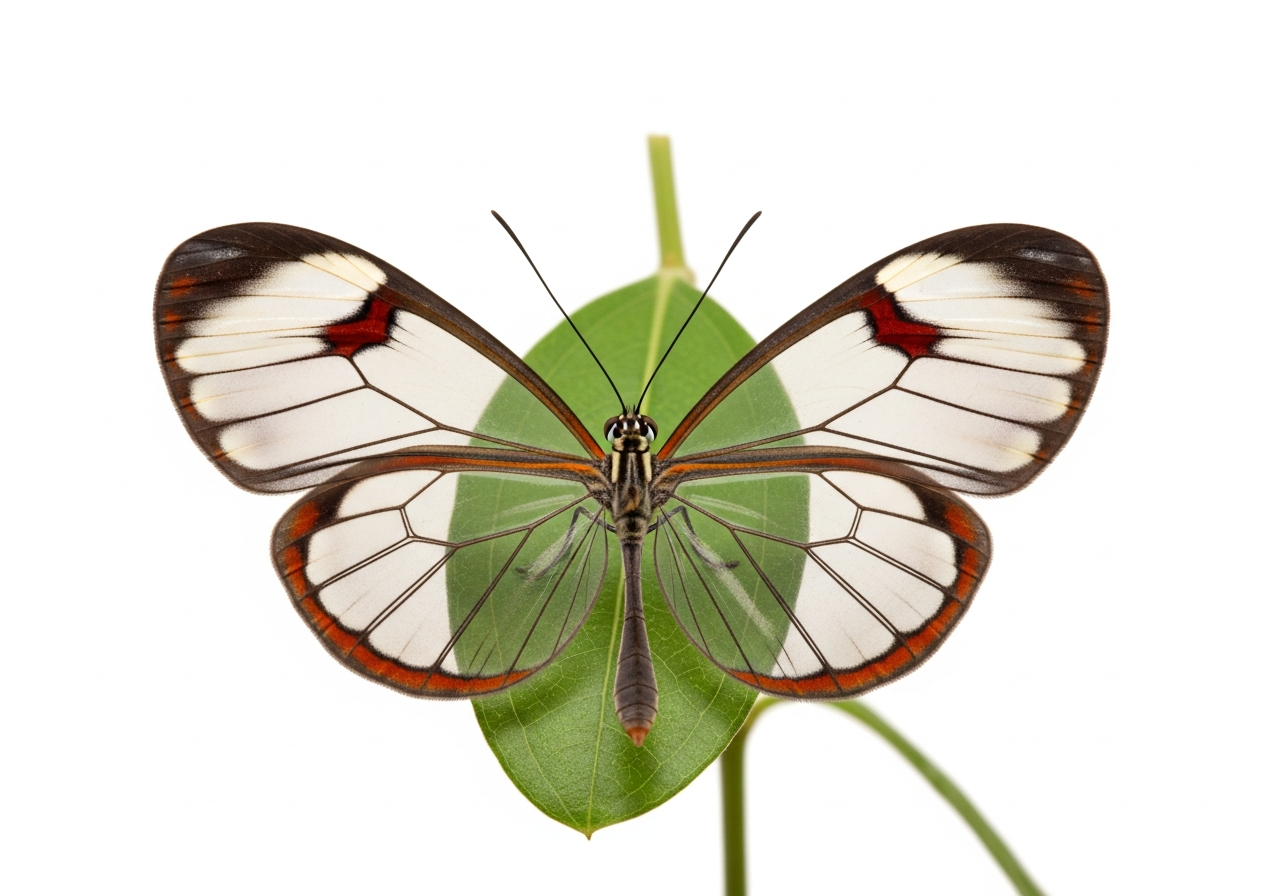
The butterfly with invisible wings
Glasswing butterfly (Greta oto) — Looked at under a microscope, the clear part of the wing is covered in millions of tiny bumps, far too small to see, all spaced very evenly. These bumps let the light pass straight through instead of bouncing back, so the wing hardly reflects at all. With no tell-tale glare, the butterfly stays truly hard to see.
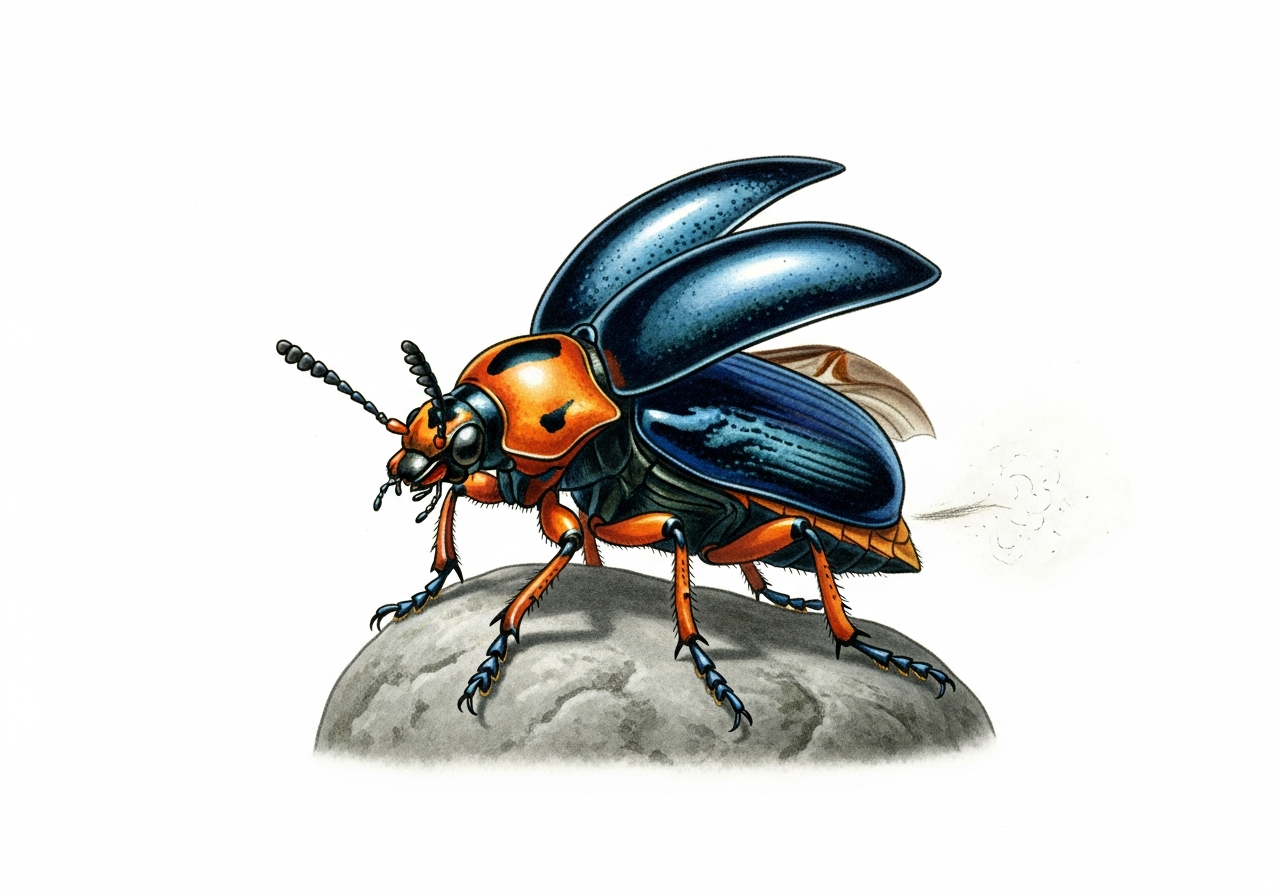
The beetle with a built-in spray gun
Bombardier beetle (Brachinus crepitans) — The beetle keeps two harmless liquids in separate stores inside its body. When it is attacked, it squirts them together into a tiny chamber where they react, heat up to almost boiling, and burst out as a fast spray — fired in rapid pulses, like a string of tiny pops, and aimed with surprising accuracy at whatever is bothering it.
Where do all the bees go in winter?
A winter garden apparently empty of bees opens up into a conversation about three very different kinds of bee — honeybee, bumblebee, and solitary bee — each with its own winter strategy. It ends on the discovery that 'bees' is not one story but many, and that the garden is never quite as empty as it looks.
Why does a caterpillar turn into a butterfly instead of just growing bigger?
Watching a caterpillar on a nettle leaf, Maya asks why it has to go through the strange, costly process of becoming a chrysalis at all. The conversation unpicks the idea that a caterpillar and a butterfly are two completely different tools for two completely different jobs — and that the transformation, strange as it is, is one of the most successful inventions in the history of life.
Why is the oak bare but the holly still green?
Standing between a leafless oak and a glossy holly in winter, a child works out — by feeling the leaves — that dropping leaves and keeping leaves are two different answers to the same cold, and neither one is wrong.
Why are there no cherries on that cherry tree?
A spring walk past a frothy, blossom-laden ornamental cherry unpicks why blossom doesn't always become fruit — and ends on the surprising fact that the showy petals are made from the very parts that would have made the cherries.
Why do some moths look exactly like the tree bark they sit on?
Finding a pale, bark-patterned moth resting on a lichen-covered wall, Maya asks how it got to look so exactly like the surface behind it. The conversation introduces natural selection through the peppered moth's famous story — how a population shifted from pale to dark during the Industrial Revolution, and back again as the air cleared — and lands on the idea that colour is not decoration but survival, shaped by countless generations of being seen or not being seen.
Where did the swallows go, and why did the robin stay?
An autumn sky empty of swallows leads to the question of why some birds fly thousands of miles to Africa while the robin stays for Christmas — and ends on the idea that each bird can only live the life its body is shaped for.
Why are there tadpoles in the pond but never any baby frogs — only tadpoles?
A pondside visit in spring reveals that the pond is full of tadpoles but there are no tiny frogs to be seen. Following the question leads through the complete frog life cycle, the slow business of growing legs, and the dramatic moment when a tadpole becomes a froglet and leaves the water — ending on the realisation that the 'baby frog' stage happens so fast and at such a precise moment that it's easy to miss entirely.
Why is the grass green and not blue or red?
Lying on the lawn, Maya asks why everything around her is green. Grandad guides her through the idea that leaves use sunlight to make food — but only certain colours of light — and that green is the colour the leaf doesn't need, bounced back for our eyes to see. It ends on the strange and true idea that a green plant is wearing the one colour of sunlight it throws away.
Why do worms come up onto the path when it rains?
A wet garden path littered with earthworms becomes the starting point for discovering how worms breathe, how they move, and why the rain turns their underground world into a place they must leave — ending on the quiet fact that a creature so easy to overlook is one of the most important animals in the garden.
Why do leaves go gold and red in autumn?
Kicking through fallen leaves, Maya wants to know where all the gold and red came from, when the tree was green all summer. The conversation uncovers the surprising truth that the gold was hiding inside the leaf the whole time — and that the tree is quietly packing up and taking its green back before letting the leaf go.
Why is the grass wet in the morning when it didn't rain?
On a clear early morning the lawn is soaking, though not a drop of rain has fallen. Grandad helps Maya work out that the water didn't come from the sky or the ground at all — it was hiding in the air the whole time, invisible, until the cold grass pulled it out.
Why don't birds get hurt sitting on electric wires?
A row of starlings sits happily on a power line that could hurt a person. Grandad leads Maya to see that the birds aren't safe because electricity can't hurt them — they're safe because, sitting on one wire, they never give the electricity any reason to leave it.
Why do you snatch your hand back from something hot before it even hurts?
Maya notices she pulled her hand off a hot mug before she felt the pain. Following the question, she discovers that her body has a shortcut that decides to move without asking her brain first — and that feeling the 'ow' a moment later is the slow part catching up.
Why do slugs and snails leave a silvery trail?
A silver squiggle across the morning patio leads Maya and Grandad to the slug that made it. Watching it glide, she discovers that the slime is no accident — it is at once the slug's road, its shoes, its shield and its way of leaving messages for other slugs.
Why is ice bigger than the water it froze from?
A bottle of water left in the freezer comes out bulging, its lid pushed off. Grandad helps Maya see that the water hasn't gained anything — it has just spread itself into a roomier shape. And that one strange habit, he shows her, is exactly what lets the fish survive the winter.